Section
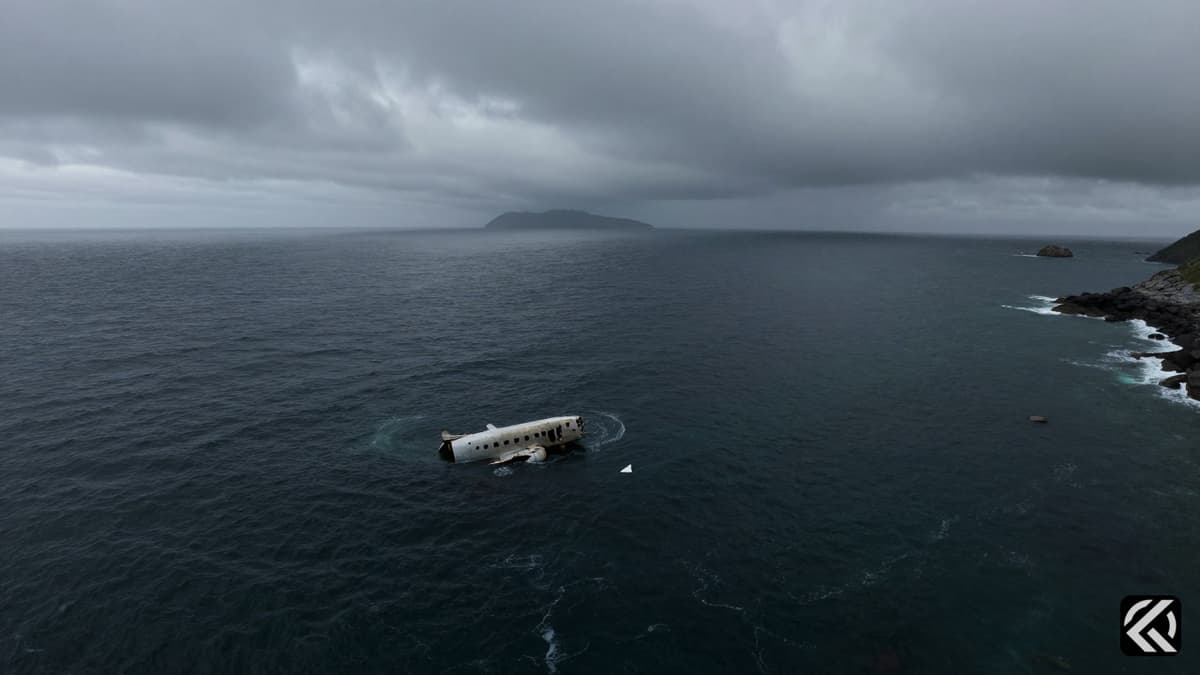
A critical medical transport aircraft vanished off the US coast, leading to the presumption that all six souls aboard have perished in a tragic aviation disaster.
A Gulfstream G-100 aircraft operating as a critical medical transport service disappeared on Saturday, leaving six individuals presumed dead. The flight, which was traveling from Bermuda to Boston, lost communication with air traffic control early Saturday morning. This tragic event has prompted a massive response from authorities and the aviation community, marking a somber moment for emergency medical services.
On Sunday evening, the United States Coast Guard officially announced it was ending its search for survivors off the coast of Nantucket, a Massachusetts island. This decision came after authorities located a debris field confirmed to be from the aircraft. Latitude Air Ambulance, the operator of the flight, issued a heartbreaking statement confirming that the four crew members, the patient, and the patient’s family escort are presumed to have died. The plane had departed from Bermuda's L.F. Wade International Airport at 23:40 local time on Friday and was scheduled to land at Boston's Logan International at 01:30 EDT.
The timeline of the final moments of the flight reveals a rapid and catastrophic sequence of events. According to flight data from FlightAware, the aircraft significantly dropped in altitude before its communications went dark. The plane plummeted from around 7,300 meters (24,000 feet) to 3,300 meters (11,000 feet) just before the last contact was made. Radio transmissions, obtained by the Boston Globe and provided by LiveATC.net, show trouble between the air traffic controller and the pilot. The controller asked if the pilot was declaring an emergency, noting that the signal was coming in "a little weak." An area fire dispatcher was alerted just after 01:00 EDT to prepare for a plane with an "electrical issue."
The passengers aboard included two pilots and two medical staff, all Canadian, who had flown to Bermuda to collect a patient and their relative. Clarence Togeretz, director of flight operations at Latitude, confirmed these details to CBC News. The loss of these professionals and the patients they were transporting has sent shockwaves through the medical transport community. Peter Byl, President of Latitude Air Ambulance, stated that this is an "unimaginable loss" for the Latitude family and everyone who loved the six people aboard. He emphasized that the focus now is on supporting families and colleagues while honoring the care and professionalism the crew brought to their work.
The search and rescue operation was intense, involving multiple agencies and extensive resources. However, the confirmation of the debris field and the dramatic drop in altitude indicated that survival was unlikely. The US Coast Guard’s decision to end the search marks a transition from rescue to recovery and investigation. This incident highlights the risks associated with long-distance medical transports, which often operate in challenging weather conditions and across vast oceanic distances. The Bermuda to Boston medical transport route is a critical lifeline for patients requiring specialized care, and its disruption underscores the vulnerabilities in emergency medical logistics.
Experts in aviation safety note that the rapid loss of altitude and the reported communication issues suggest a potential mechanical or electrical failure. The mention of an "electrical issue" by the fire dispatcher adds another layer to the mystery of what went wrong. Investigators will likely examine the black box data, if recovered, and the debris field to determine the cause. The involvement of Canadian crew members in a US-based operation also raises questions about international aviation regulations and coordination in emergency medical flights.
The reaction from the aviation community has been one of mourning and solidarity. Latitude Air Ambulance has pledged to honor their colleagues by remembering their commitment to their work. This sentiment is shared by air traffic controllers, emergency responders, and fellow medical transport operators who understand the importance of the mission these individuals were on. The loss of skilled pilots and medical staff is a significant blow to the industry, as these professionals are highly trained and essential for saving lives.
As the investigation proceeds, attention will turn to the safety protocols for medical transport aircraft. The sudden nature of the crash, with the plane dropping from 24,000 feet to 11,000 feet quickly, suggests a failure that was difficult to mitigate. This incident may lead to reviews of communication standards, emergency procedures, and aircraft maintenance for these specialized flights. The public and the medical community await further details, hoping for answers that can prevent similar tragedies in the future.
The confirmation of the loss of six lives in the Bermuda to Boston medical transport crash near Nantucket has intensified scrutiny on the safety of medical air transports. As investigations into the Heartbeat 104 wreckage proceed, the aviation industry faces a critical moment to reassess emergency response protocols. The rapid altitude loss and communication difficulties highlight potential vulnerabilities in current operational standards. Future policy changes may mandate enhanced emergency communication systems and stricter maintenance checks for critical care flights. The long-term impact will likely be a push for more robust safety measures in the medical transport sector, ensuring that the vital work of saving lives is not compromised by systemic risks.
Oct 6, 2026 02:48 UTC
Yemen Forces Recapture Mocha in Major Counteroffensive
Oct 6, 2026 00:07 UTC
Teen Loses Hand in French School Protest Clashes Amid Escalating Violence
Oct 5, 2026 22:36 UTC
UAE Shares FlyDubai Crew Data After Pilot Seize Control Attempt
Oct 5, 2026 22:00 UTC
US Withdraws Heavy Bombers From UK Base Amidst Rising Tensions With Iran
Oct 5, 2026 08:48 UTC
Siberian Lab Worker Dies from Suspected Pneumonic Plague in Irkutsk