Section
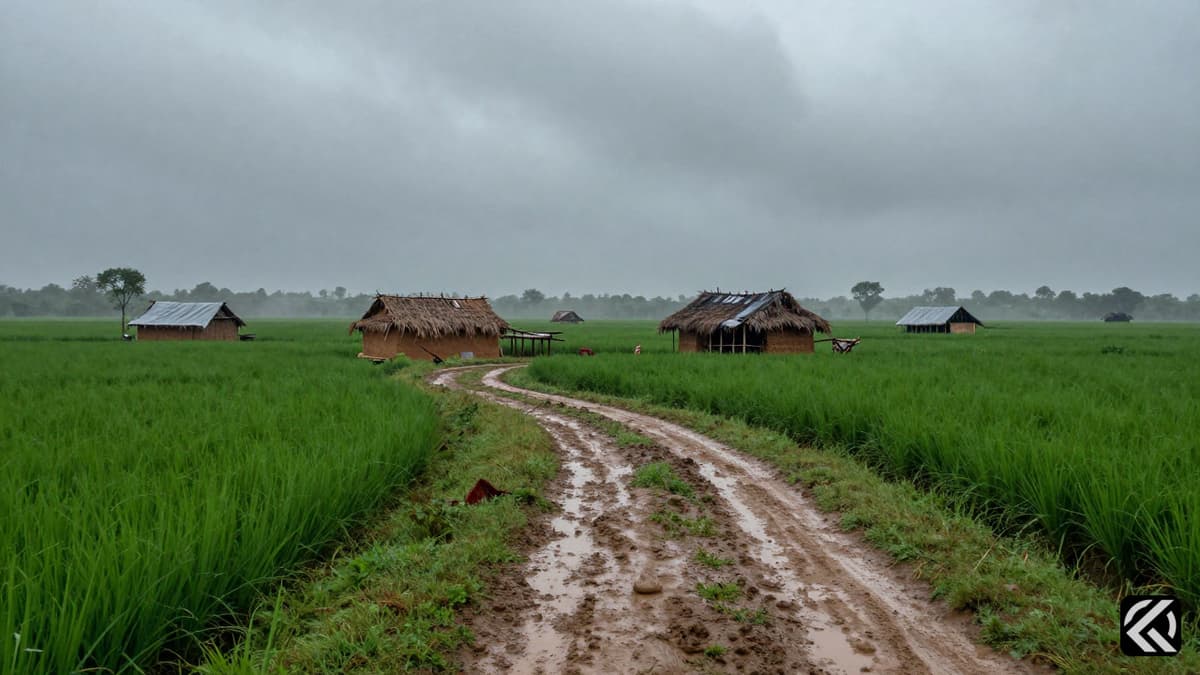
Over 30 children have died in India’s Balaghat district, highlighting a tragic intersection of infectious disease, deep poverty, and cultural barriers.
The heart of India’s remote tribal heartland has witnessed a devastating loss of life, with at least 32 children succumbing to illness in Balaghat, Madhya Pradesh, since May. This tragedy exposes the perilous intersection of infectious disease, extreme poverty, and cultural barriers in one of India’s most isolated regions.
The crisis began in the monsoon season, when weather conditions turned vital dirt tracks into impassable mud. In Matla village, three-year-old Bamita Markam’s death exemplifies the tragedy: after days of fever and sores, a faith healer’s remedies failed, and heavy rain prevented hospital transport, leading to her death by dawn. Officials have confirmed that these Balaghat district child deaths primarily stem from measles and malaria, conditions that become lethal when combined with severe malnutrition.
The Baiga community, classified as one of India’s 75 particularly vulnerable tribal groups, bears the brunt of this outbreak. Sanjay Uikey, a local lawmaker who has represented the area since 2013, described the scale as unprecedented in his lifetime. He noted that neither he nor his father, a two-term lawmaker, had ever witnessed such a high volume of child mortality in such a short timeframe. The victims ranged from babies aged three months to an 18-year-old, with most belonging to the Baiga community.
Local authorities and medical officers attribute the high mortality rate to a complex web of factors. Approximately eight to ten deaths were linked to measles, while another ten were associated with malaria. However, doctors caution that the precise cause of every death is difficult to isolate because multiple infections often collide. Malaria is endemic to the district, meaning fever can indicate several overlapping conditions simultaneously. When a child contracts measles, the virus weakens the immune system, making them highly susceptible to secondary infections like pneumonia and severe diarrhea. Malnutrition significantly exacerbates this risk, turning a usually survivable condition into a fatal one.
Beyond the biological drivers of disease, geographic isolation plays a critical role in the mortality rate. In the forested parts of Balaghat, which were once ground for Maoist insurgency, reaching medical care is a formidable challenge. During the monsoon, narrow dirt tracks wind between red earth and paddy fields, becoming slippery and impassable in heavy rain. Families without vehicles must rely on muddy walks, makeshift bamboo stretchers, or motorcycles, often losing a day’s wages to access care. The nearest 100-bed state hospital in Birsa is 70km away, a journey that can take a full day for those without transport.
Cultural beliefs further complicate efforts to save lives. For some Baiga families, illnesses like chickenpox are viewed as the arrival of a disease goddess, known as Mata. Rather than seeking immediate medical treatment, families perform seven to nine-day rituals involving bathing and offering cool water and neem leaves. There is a pervasive belief that treating the patient before the ritual is complete could cause death. These beliefs delayed intervention for weeks until the scale of the deaths forced local authorities to act.
Parshuram Dhurwey, a village council chief, recalled hearing of two children dying in the same household in Bondari village on July 21, followed by more deaths the next morning. When he contacted officials, they found a grim reality where every other child was sick with fever, rashes, and signs of undernourishment. Government medical officer Nimish Gautam arrived to find severely dehydrated children. In one instance, a teenage girl with dangerous blood sugar levels had her family initially refuse examination, fearing treatment would kill her. It took the intervention of police to persuade the family to allow health teams to monitor her, and she eventually recovered. In another village, officials forcibly entered homes to transport five seriously ill children to a hospital, all of whom survived.
The root causes of this vulnerability are deep-seated. Malnutrition remains widespread, driven by early marriage and motherhood. Gautam believes that many girls become mothers at 16 or 17, when their bodies are still developing, leading to closely spaced pregnancies, premature births, and low birth weights. These young mothers struggle to breastfeed and care for their infants effectively. Dietary habits also contribute to the crisis; many families rely heavily on rice and lentil soup, lacking sufficient protein and dietary variety. Studies on Baiga households have documented widespread nutritional deficiencies, which are compounded by poor uptake of public health services.
Although the Baiga villages are not entirely disconnected from modern India-with some families having smartphones, solar power, and bank accounts-the gap between services on paper and on the ground remains stark. The state response came weeks after deaths began, and health teams struggled to reach and persuade families. Once the outbreak was recognized, health workers initiated door-to-door screening in affected villages. Mobile medical units carrying oxygen, nebulizers, and malaria test kits visited more than 20 villages. Doctor Neeraj Sharma reported that teams routinely saw more than 50 patients a day, with about half being children. By September, more than 6,200 patients, mostly children, had been treated at home.
The deaths in Balaghat are not merely a medical emergency but a symptom of long-standing structural failures. The convergence of measles and malaria outbreak with endemic poverty and cultural isolation creates a cycle of mortality that mobile clinics cannot permanently break. Unless the underlying drivers of malnutrition, early marriage, and lack of hygiene education are addressed, similar outbreaks will likely recur. The current response highlights the urgent need for sustained, culturally sensitive health infrastructure in India’s remote tribal heartlands to prevent further loss of life.
Oct 3, 2026 04:08 UTC
FlyDubai Co-Pilot Banned in Oman Over Extremism Concerns
Oct 3, 2026 00:50 UTC
Israel-Mumbai Campaign Honors Captain Smit After Flydubai Incident
Oct 2, 2026 18:13 UTC
Captain Smit Machchhar’s Courage Saves Flydubai Flight FZ1073 From Disaster
Oct 2, 2026 16:45 UTC
Captain Smit Machchhar Saves Plane Mid-Fall
Sep 22, 2026 16:43 UTC
Hayden Panettiere’s Death Confirmed as Fentanyl and Drug Overdose