Section
A Russian laboratory technician in the remote Siberian region of Irkutsk has died from a suspected case of pneumonic plague, prompting international monitoring and local medical observations.
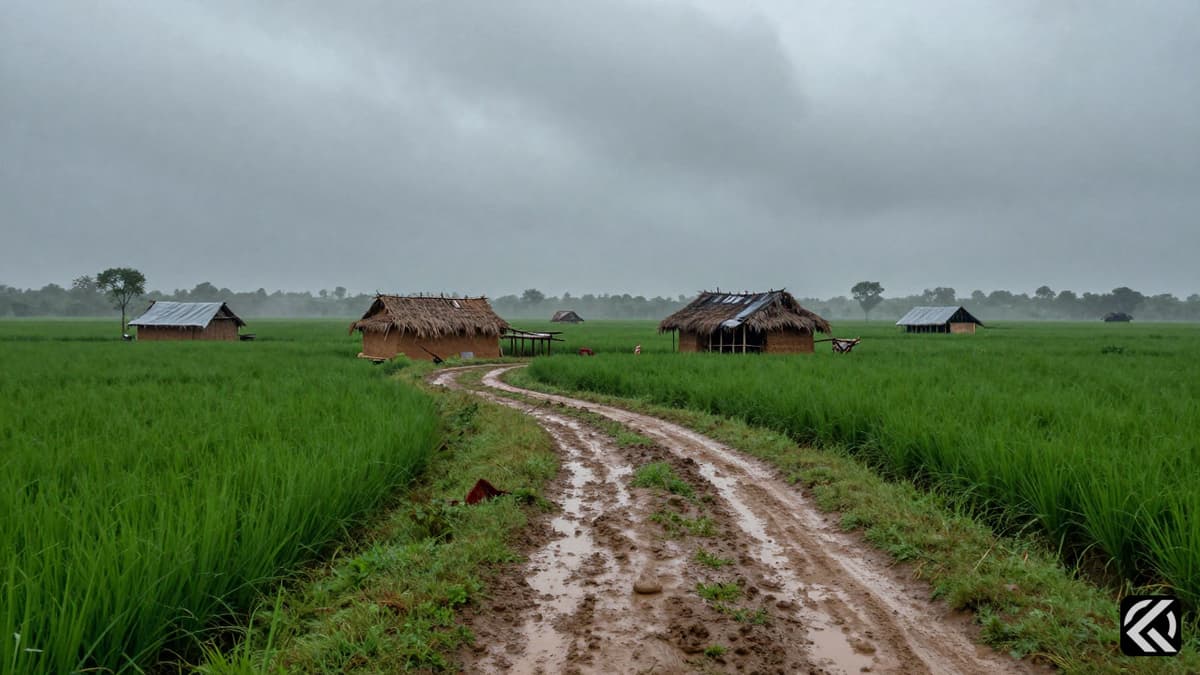
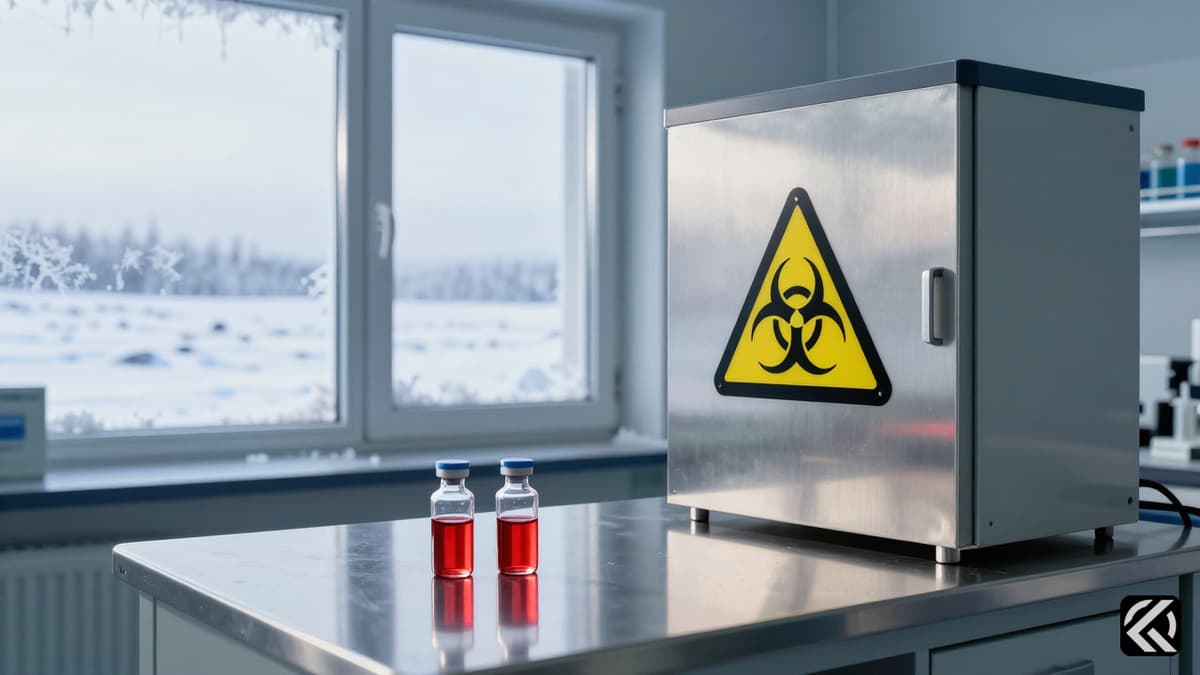
A laboratory technician working in the remote Siberian region of Irkutsk has reportedly died from a suspected case of pneumonic plague, according to initial reports. This fatal incident has triggered immediate concern among local health authorities and international observers, leading to enhanced monitoring and containment efforts in the area.
“We are aware of reports of a fatal case of suspected pneumonic plague in Irkutsk Oblast, Russia. We are monitoring the situation closely with the CDC [Centers for Disease Control and Prevention] and our other interagency partners,” a State Department official told Al Jazeera. The official emphasized that many details remain unconfirmed and encouraged Russian authorities to share accurate information openly.
Alexei Tsydenov, the governor of the neighboring Buryatia region, confirmed the incident via his Telegram channel on October 3. He stated that a woman in Irkutsk had died, possibly from the plague. Local media identified the deceased as Darya Shipilova, a 28-year-old laboratory technician employed by the Irkutsk Anti-Plague Research Institute of Siberia and the Far East.
In response to the developing situation, Russia’s official TASS news agency reported that Rospotrebnadzor, the country’s consumer watchdog, diagnosed the employee with “pneumonia of unknown aetiology.” The agency expanded testing of samples from the patient but found no microorganisms associated with her professional activities.
Pneumonic plague is caused by the bacterium Yersinia pestis, which is typically found in small mammals and their fleas. According to the World Health Organization, this disease is highly infectious and can be fatal if not treated early. The nature of the infection raises significant questions about the safety protocols within the specialized research facility where the technician worked.
Local media reports indicate that authorities in Siberia’s Irkutsk region have placed nearly 200 people under medical observation. This extensive measure reflects the seriousness of the situation and the potential for spread, given the airborne nature of pneumonic plague. The isolation of the region adds complexity to the containment efforts, as resources and expertise may be stretched thin in such a remote location.
The response from both Russian and international bodies highlights the gravity of the situation. The US State Department’s involvement underscores the global attention this case has garnered, particularly because pneumonic plague poses a serious threat due to its rapid progression and high mortality rate if untreated. The collaboration between the US State Department and the CDC illustrates a coordinated approach to gathering intelligence and preparing for potential health security implications.
Rospotrebnadzor’s statement provides a crucial, albeit preliminary, glimpse into the diagnosis process. By initially labeling the condition as pneumonia of unknown origin, the watchdog avoided premature confirmation while initiating rigorous testing. The finding of no microorganisms associated with her professional activities is somewhat contradictory to the initial suspicion of plague, suggesting either a lab error, an alternative diagnosis, or a complex case that requires further investigation. This ambiguity has fueled speculation and concern among experts.
The decision to monitor nearly 200 individuals is a standard but critical protocol for infectious disease outbreaks. It aims to identify any secondary cases early and break the chain of transmission. Given that the deceased was a lab worker, the risk of exposure to concentrated strains of bacteria is higher than in typical community cases. This necessitates strict adherence to biosafety levels and thorough contact tracing.
The role of the Irkutsk Anti-Plague Research Institute is significant in this context. As a specialized facility, it handles high-risk pathogens routinely. An outbreak or fatality within such an institution raises questions about internal safety measures, staff training, and environmental controls. It also highlights the inherent risks faced by scientists and technicians who work with dangerous pathogens to develop treatments and vaccines.
Public communication in such scenarios is vital to prevent panic while ensuring cooperation. Alexei Tsydenov’s use of social media to inform the public demonstrates a modern approach to crisis management, although the uncertainty in his statements (“maybe of the plague”) contributes to the ambiguity. Clear, consistent, and transparent communication from all authorities will be essential to maintain public trust and facilitate effective health interventions.
The international dimension of this case cannot be ignored. While the US is monitoring the situation, other nations with similar biosafety challenges may also be closely watching. The case serves as a reminder of the persistent threat of zoonotic diseases and the importance of robust global health security frameworks. It also underscores the need for rapid data sharing and collaborative research in identifying and combating emerging infectious diseases.
The recent death in Irkutsk underscores the persistent threat of pneumonic plague in remote regions and highlights the critical need for rigorous biosafety protocols in research facilities handling dangerous pathogens. As authorities continue to monitor hundreds of contacts and investigate the cause of death, the situation remains fluid. If the infection is confirmed as plague, it will necessitate intense public health interventions and potentially stricter containment measures. Conversely, if the diagnosis remains ambiguous, it will prompt a deeper review of diagnostic procedures within Russian health agencies. Regardless of the final verdict, this incident serves as a stark reminder of the vulnerabilities in global health security and the importance of transparent, cooperative international monitoring to prevent potential cross-border health crises.
Oct 6, 2026 02:48 UTC
Yemen Forces Recapture Mocha in Major Counteroffensive
Oct 6, 2026 00:07 UTC
Teen Loses Hand in French School Protest Clashes Amid Escalating Violence
Oct 5, 2026 22:36 UTC
UAE Shares FlyDubai Crew Data After Pilot Seize Control Attempt
Oct 5, 2026 22:00 UTC
US Withdraws Heavy Bombers From UK Base Amidst Rising Tensions With Iran
Oct 5, 2026 08:29 UTC
Tragic Loss: 6 Presumed Dead in Bermuda to Boston Medical Transport Crash