Tensions flare in central Gaza as ten Palestinians die in a volatile exchange of fire between Hamas security forces and a local militia backed by Israel.
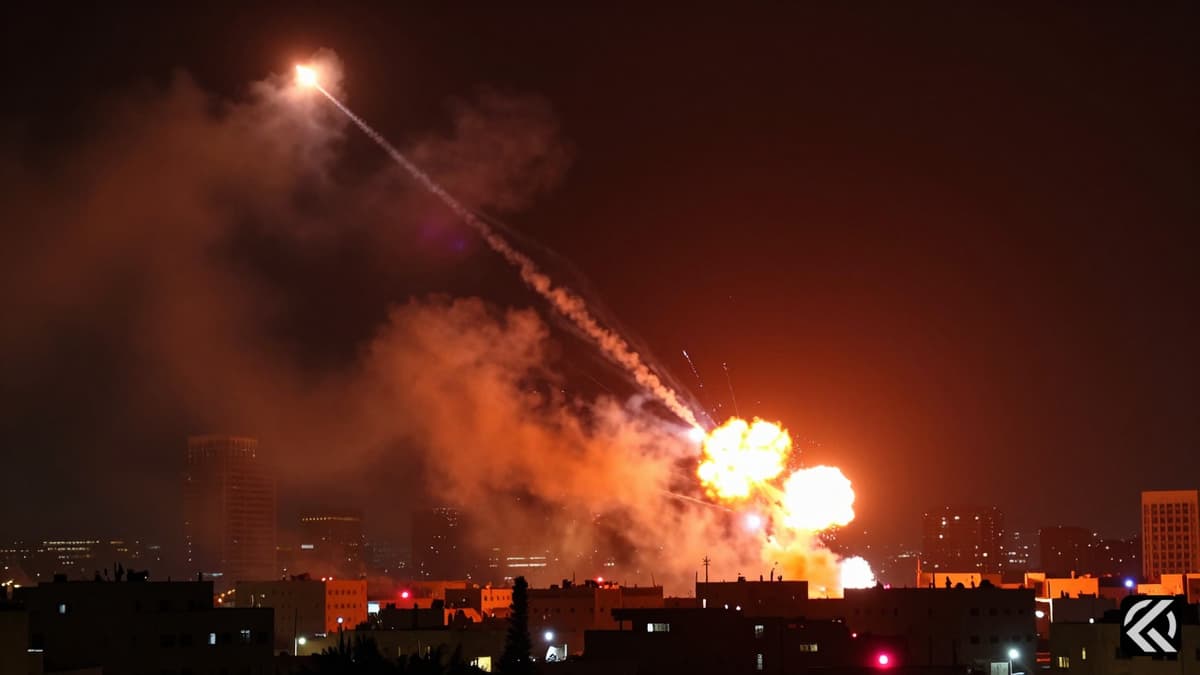
At least ten Palestinians were killed in central Gaza on Monday, following a volatile sequence of Israeli air strikes and ground fighting between Hamas security forces and a local militia backed by Israel. The incident occurred east of the Maghazi refugee camp, marking a significant escalation in the region.
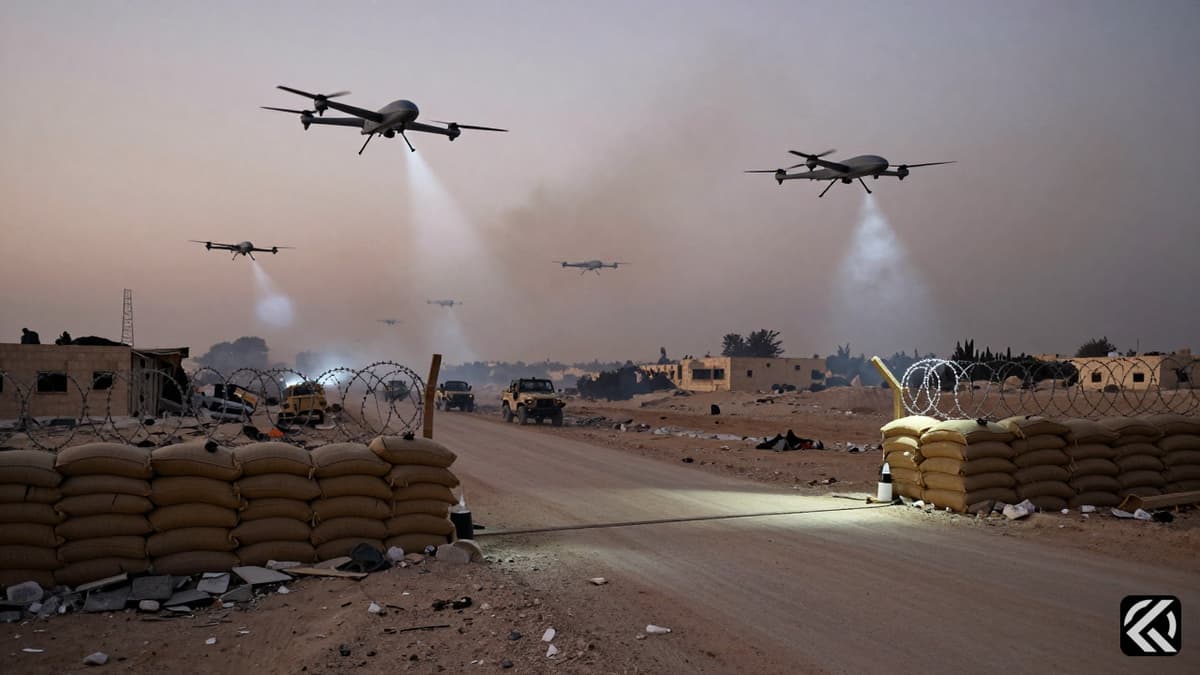
The conflict began when members of the Israel-backed Palestinian militia established a checkpoint, only to come under immediate attack from Hamas security personnel, which triggered a fierce exchange of fire. Witnesses reported that the situation escalated quickly, prompting Israel to deploy drones to the area. These drones intervened to support the militia, carrying out targeted strikes against Hamas personnel in three distinct locations. While the local sources confirm ten bodies were recovered by the al-Aqsa hospital in Deir al-Balah, it remains unclear exactly how many of the deceased fell during the initial ground clashes versus the subsequent aerial bombardment. The hospital spokesperson added that dozens of other individuals were wounded, with several currently in critical condition.
Both the Israeli military and Hamas have not yet issued immediate official comments regarding the specific casualties of this latest round of violence. However, the incident underscores the fragility of the ceasefire agreement established nearly six months ago, with both sides currently accusing each other of repeated violations. Since the cessation of hostilities was agreed upon, the territory's Hamas-run health ministry reports that at least 723 Palestinians have been killed in Israeli attacks. Conversely, the Israeli military states that five of its soldiers have lost their lives in attacks by Palestinian groups during the same period.
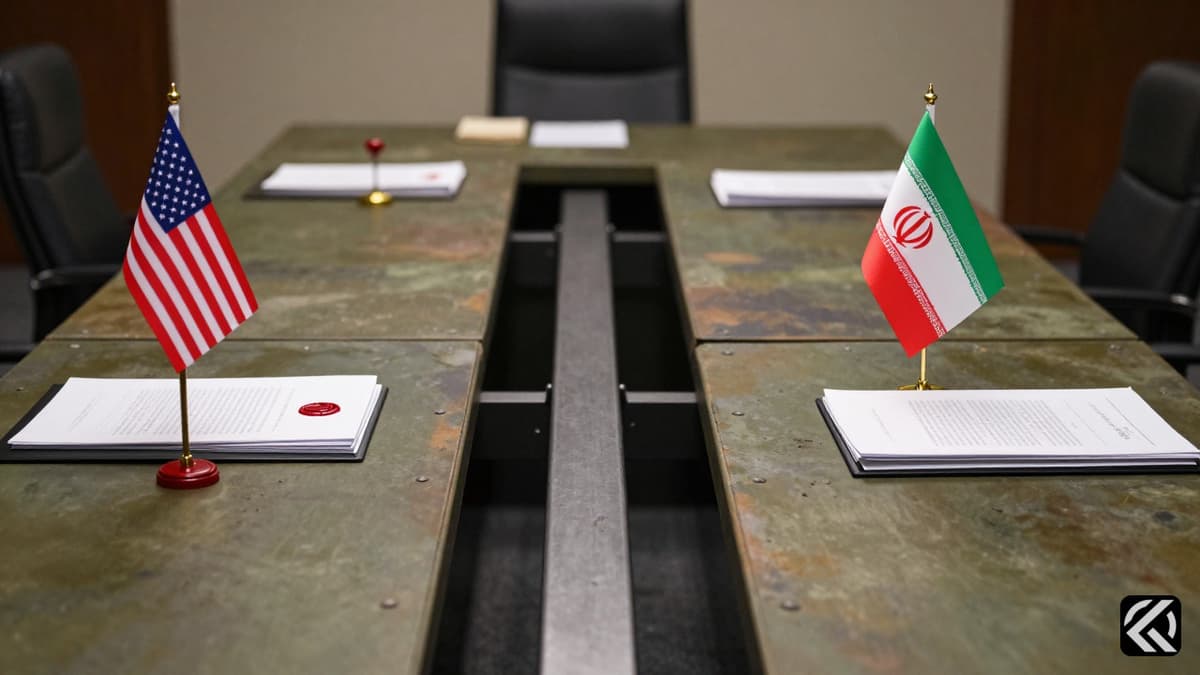
Beyond the immediate violence, the geopolitical landscape remains fraught with tension, primarily driven by the contentious issue of disarmament. This topic has emerged as one of the key stumbling blocks preventing the progression to the second phase of US President Donald Trump's 20-point peace plan. Last week, a Hamas delegation met with Egyptian, Qatari, and Turkish mediators in Cairo to provide their initial response to a proposal from the US-led Board of Peace, which calls for Palestinian groups to decommission their weapons.
On Sunday, the spokesperson for Hamas's military wing, Abu Ubaida, firmly rejected any discussions regarding disarmament before Israel fulfills its obligations under the first phase of the Trump plan. Abu Ubaida, whose namesake was killed in an Israeli strike last year, declared, "We will not accept raising the issue of weapons in this crude manner." He further emphasized the group's resolve, stating, "What the enemy failed to take from us by tanks and destruction, it will not take from us through politics or at the negotiating table."
The stance taken by Hamas reflects a broader strategic view that links their local fight to a wider regional conflict involving Israel, the United States, Iran, and its allies. Abu Ubaida praised the missile, drone, and rocket attacks launched against Israel by Iranian forces, Iran-backed Hezbollah in Lebanon, and the Houthis in Yemen. He characterized these actions as a direct "extension" of the operations Hamas initiated on 7 October 2023. This rhetoric highlights the interconnected nature of the conflict, where local skirmishes in Gaza are often viewed through the lens of regional proxy warfare.
Israel's Prime Minister, Benjamin Netanyahu, has previously issued stark warnings to Hamas, indicating that the group will be disarmed "either the easy way or the hard way." This threat suggests that the Israeli government is prepared for continued military pressure to achieve its strategic goals. The current situation, where Gaza air strikes are being used in conjunction with ground militia clashes, may be interpreted as part of this ongoing strategy to enforce compliance.
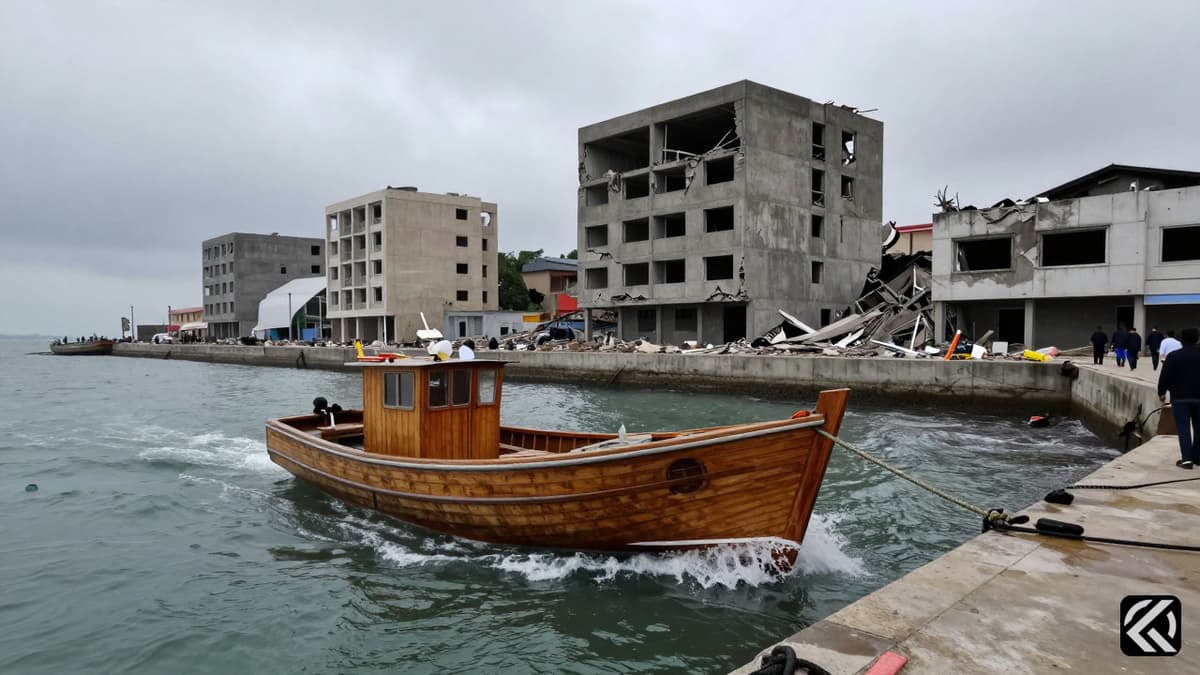
The involvement of an Israel-backed Palestinian militia in these central Gaza clashes adds a complex layer to the security situation. The presence of local forces aligned with Israel against Hamas security personnel creates a fragmented security environment, making it difficult to isolate specific factions responsible for violations or to enforce a unified ceasefire. As the conflict drags on, the lack of immediate clarification from major command centers leaves the international community with only witness accounts and hospital reports to gauge the true scale of the violence.
The ongoing friction over weapon decommissioning continues to derail progress in the US-led peace efforts, with Hamas maintaining that security guarantees and full Israeli compliance must precede any disarmament talks. As tensions rise in the central Gaza strip and rhetoric hardens from leadership on both sides, the likelihood of the second phase of the peace plan proceeding appears increasingly remote in the immediate future. Without a breakthrough in the disarmament negotiations or a significant de-escalation of the military encounters, the cycle of violence threatens to intensify, further destabilizing the region and complicating humanitarian efforts. The path forward remains obstructed by deep-seated mistrust and conflicting strategic imperatives, suggesting that the current trajectory will likely lead to further casualties and diplomatic stalemate.
Jun 8, 2026 04:15 UTC
Trump Urges Netanyahu to Halt Iran Strike for Peace
Join 50,000+ readers getting the global briefing every morning.
No spam. Unsubscribe anytime.
Jun 8, 2026 02:28 UTC
Trump Walks Out of Meet the Press After Rejecting Evidence Demands
Jun 8, 2026 02:17 UTC
Magnitude 7.8 Quake Shakes Philippines, Urging Immediate Evacuations
Jun 8, 2026 00:51 UTC
Trump Claims Iran Nuclear Deal Imminent Despite Diplomatic Fractures
Jun 8, 2026 00:47 UTC
Iran Fires Missiles at Israel After Beirut Strike