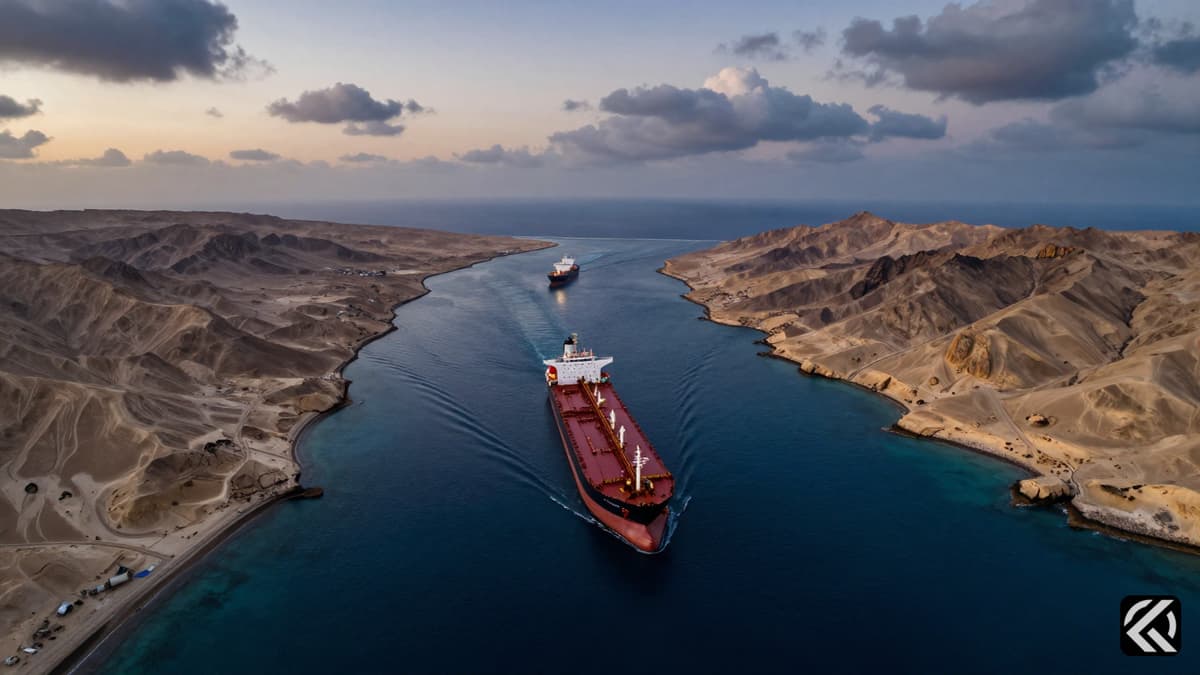
A new 45-day ceasefire plan faces rejection from Tehran as Donald Trump sets a hard deadline for the Strait of Hormuz, threatening escalated military action.
A new diplomatic initiative has collapsed after Iran’s foreign ministry firmly rejected a proposed 45-day Iran war ceasefire, a move that threatens to derail ongoing efforts to stabilize the volatile region. The proposal, which included a demand for the Strait of Hormuz reopening to resume normal shipping flows, was sent late Sunday to Iranian and US officials as a last-ditch effort to prevent the massive strikes on Iranian infrastructure that President Donald Trump has threatened. Despite the urgency, the US administration has not yet signed off on the plan, with a White House official describing it as merely one of many ideas while military operations continue apace.
The conflict has seen a rollercoaster of diplomatic signals. Indirect nuclear talks were initially underway before the war erupted, a process that Iranian Foreign Minister Abbas Araghchi claims was ended when Trump ordered the bombing of the negotiating table. Although both sides initially rejected negotiations, Trump recently expressed frustration, warning Tehran to "get serious soon" after weeks of perceived stalling. This sentiment culminated in a stark ultimatum: Iran must open the Strait of Hormuz by Tuesday or face consequences that could leave the country "living in Hell." While Trump claimed on March 23 that the US and Iran held "very good and productive conversations" involving Vice President JD Vance and other key officials, Iran has consistently denied the credibility of these diplomatic overtures, with spokesperson Esmail Baghaei arguing that talks cannot be credible when the US continues its attacks.
The diplomatic stalemate has been further complicated by the involvement of regional powers. Pakistan, Turkey, and Egypt have all acted as mediators, with Pakistan even ready to host talks and delivering a 15-point plan addressing Iran's nuclear and missile ambitions. However, indirect talks stalled last week, and the prospect of an in-person meeting appears to have ended, casting doubt on the viability of the current proposal. The failure of these negotiations is reflected in the growing economic and logistical crisis, as the Donald Trump Iran conflict escalates with every passing hour.
The refusal to accept a temporary ceasefire has profound implications for the broader Middle East. Baghaei explicitly stated that a pause in fighting would only allow the US and Israel to prepare for the continuation of the war, emphasizing that Iran calls for an end to the hostilities and the prevention of their recurrence. This stance is echoed by Iran's closest ally, the Iran-backed Houthi rebels in Yemen. Houthi leader Mohammed Ali Al Houthi declared that the group will uphold its own ceasefire with the United States only as long as Washington halts its aggression. The Houthis, who resumed launching drones and missiles at Israel in support of Iran, have made it clear they do not intend to target Muslim countries or Saudi ports unless the conflict escalates further, though they retain the capability and willingness to close the Bab al Mandab Strait.
The economic fallout of the conflict is already severe and worsening. With shipping through the Strait of Hormuz severely curtailed, only about 5% of pre-war volume is moving through the waterway. Tracking data confirms that tankers, including those carrying Qatari natural gas, are turning back before transiting the strait. This disruption has triggered a spike in fuel costs; the average price of regular US gas rose to $4.12 a gallon, marking a 38% increase since the war began. This is the first time the average price has crossed the $4 mark since 2022, with prices climbing almost daily since March 1. Even if oil futures were to fall sharply as Trump has suggested, analysts warn that it could take weeks for these savings to trickle down to the pump.
The strategic calculus is shifting as the deadline approaches. While some vessels, such as the Turkish-registered Ocean Thunder, have managed to transit the strait, the overall volume remains critically low. The situation remains fluid, with Iran's Foreign Minister Abbas Araghchi and US special envoy Steve Witkoff still engaged in indirect communications, yet the gap between the proposed 45-day window and the immediate military threat remains wide. As the president prepares to address the nation, the pressure mounts on mediators to find a solution before the US strikes on power plants and infrastructure are unleashed.
The immediate rejection of the ceasefire proposal and the looming deadline for the Strait of Hormuz reopening suggest a high probability of escalated military action in the coming days. If the US President executes his threat of striking Iranian power plants and infrastructure, the conflict could expand significantly, potentially drawing in other regional actors who have expressed conditional willingness to intervene. The failure to secure the strait could lead to a prolonged closure of this critical maritime chokepoint, permanently altering global energy trade routes and further entrenching the economic crisis in the United States and abroad. Unless a breakthrough occurs between the US and Iran through their respective indirect channels, the region faces a period of intense volatility with severe consequences for global stability.
Jun 8, 2026 00:51 UTC
Trump Claims Iran Nuclear Deal Imminent Despite Diplomatic Fractures
Jun 8, 2026 00:47 UTC
Iran Fires Missiles at Israel After Beirut Strike
Jun 7, 2026 22:00 UTC
US, Iran Peace Hops Fade 100 Days Into War
Jun 7, 2026 20:57 UTC
Iran Strikes Israel: IRGC Promises Week of Continuous Offensive
Jun 8, 2026 02:28 UTC
Trump Walks Out of Meet the Press After Rejecting Evidence Demands


