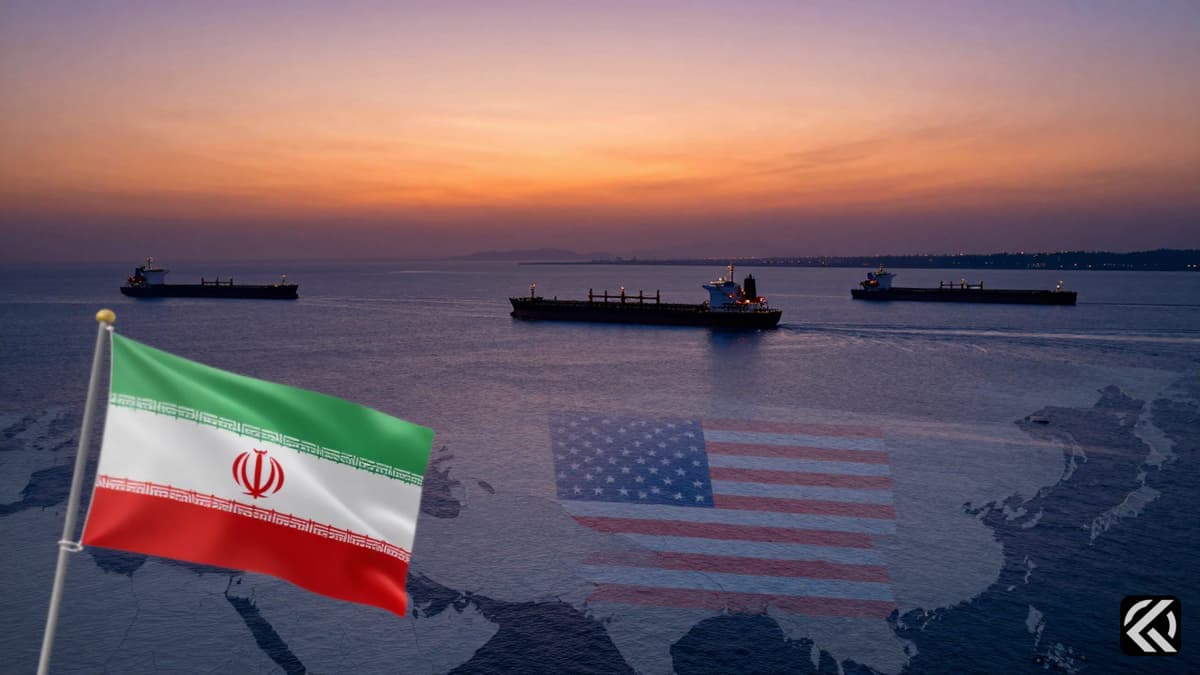
Tehran erupts in celebration as a historic two-week Iran-US ceasefire is finalized. Diplomatic talks will commence in Pakistan, with President Trump hailing the deal.
Celebrations have erupted in Tehran following the announcement of a two-week Iran-US ceasefire, a temporary cessation of hostilities agreed upon by both nations. This diplomatic breakthrough paves the way for peace negotiations scheduled to commence on Friday in Pakistan, following the strategic pivot by President Donald Trump.
The initial spark for this agreement came after Iranian Foreign Minister confirmed that safe passage through the critical waterway would be coordinated with armed forces. Trump had previously stated he would suspend military operations only if Tehran fully reopened the Strait of Hormuz reopening to global trade. This condition became the cornerstone of the agreement, with Pakistan's Prime Minister Shehbaz Sharif playing a pivotal role by urging the US President to extend his negotiation deadline and calling on Iran to restore access to the strait.
Iranian officials are aggressively framing this temporary halt in conflict as a significant "victory." Government representatives assert that their preconditions for negotiations have been successfully accepted by the United States. They claim that Trump's recent acknowledgement of progress on major points of contention validates Iran's diplomatic stance. Furthermore, government spokespeople are instructing citizens that this outcome is the direct result of national unity, patience, and demonstrated military strength during the ongoing conflict.
In a detailed assessment of the recent hostilities, officials note that the initial US-Israeli strategy, which attempted to collapse the Iranian government through targeted assassinations of leadership, ultimately failed. The subsequent weeks of conflict, in their view, have demonstrated Iran's robust capability to sustain military operations and defend itself indefinitely against external pressure. This narrative of resilience is central to how the Iranian government is selling the peace deal to its domestic audience.
In stark contrast to the Iranian portrayal, President Donald Trump characterized the agreement as a "total and complete victory. 100 percent. No question about it." He made this statement during a brief telephone interview with the AFP news agency shortly after announcing the deal. In the same conversation, Trump added that Iran's uranium stockpiles would be "perfectly taken care of" under the new terms of the agreement. He also acknowledged the significant role that China played in facilitating these complex negotiations, highlighting the international nature of the diplomatic breakthrough.
However, the political landscape within the United States remains fractured despite the truce. Democratic lawmakers have stated they will continue to pursue Trump impeachment proceedings. They cite the President's "genocidal" and "unhinged" rhetoric directed towards Iran as the driving force behind their legal actions. This divergence in narrative highlights the deep political divides regarding the administration's foreign policy approach to the region.
The agreement marks a temporary pause in what has been described as a high-stakes conflict involving global energy security. The reopening of the Strait of Hormuz is critical not just for regional stability but for global economic flow, as the waterway is a major conduit for oil and gas shipments. The coordination between Iranian armed forces and the US will determine the success of this opening during the two-week period, setting the stage for the upcoming talks in Pakistan.
The immediate future hinges on the success of the Friday talks. If the negotiations regarding uranium stockpiles and the permanent status of the strait fail, the fragile peace could collapse. The US administration's claim of a total victory suggests a shift in leverage, while Iran's insistence on a victory suggests they feel they have forced concessions on their preconditions. The role of China as a facilitator adds a layer of complexity, suggesting that a new multipolar dynamic is emerging in the region.
The Democratic challenge of pursuing impeachment amidst a declared "victory" indicates that the domestic political battle may continue even as the international military situation cools. The tension between the President's public declarations and the opposition's calls for accountability creates a volatile political environment. As the two-week window approaches its end, all eyes will be on the outcome of the negotiations in Pakistan to determine if this truce evolves into a lasting peace or merely a pause before further conflict.
The immediate outcome of this Iran-US ceasefire is a diplomatic win for Tehran, allowing the government to claim vindication against what they perceived as a failed US strategy. The agreement to restart negotiations in Pakistan signals a potential shift from confrontation to diplomacy, yet the terms remain volatile. If the Strait of Hormuz reopening leads to sustained trade and security guarantees, the two-week period could be the foundation for a broader resolution. However, if political posturing continues in Washington, the Trump impeachment proceedings may distract from the critical work of finalizing a permanent accord. The next fortnight will determine whether this temporary success becomes a lasting precedent or a fleeting moment of relief in a tense geopolitical landscape.
Jun 8, 2026 00:51 UTC
Trump Claims Iran Nuclear Deal Imminent Despite Diplomatic Fractures
Jun 8, 2026 00:47 UTC
Iran Fires Missiles at Israel After Beirut Strike
Jun 7, 2026 22:00 UTC
US, Iran Peace Hops Fade 100 Days Into War
Jun 7, 2026 20:57 UTC
Iran Strikes Israel: IRGC Promises Week of Continuous Offensive
Jun 8, 2026 02:28 UTC
Trump Walks Out of Meet the Press After Rejecting Evidence Demands


