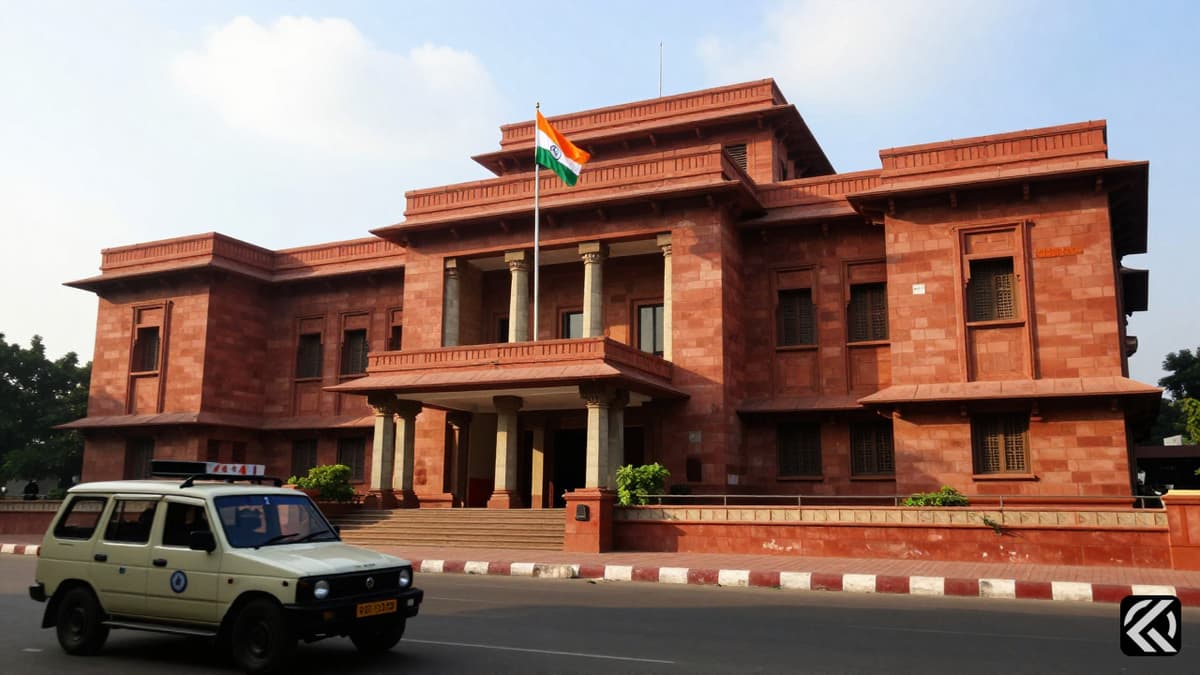
AICC chief Pawan Khera approaches Telangana High Court for anticipatory bail regarding allegations against Assam CM's wife, sparking a legal battle.
In a significant legal development unfolding on April 9, 2026, Pawan Khera, the chairperson of the AICC media and publicity department, has formally approached the Telangana High Court seeking relief in a high-stakes criminal case. The 43-year-old Congress leader filed a plea for Pawan Khera anticipatory bail after being booked by Guwahati police for allegations surrounding the wife of Assam Chief Minister Himanta Biswa Sarma. The court has scheduled the hearing for the upcoming Thursday, marking a critical juncture in this politically charged dispute.
The legal saga began when Khera made public allegations claiming that the wife of Assam CM Himanta Biswa Sarma holds foreign passports and possesses properties abroad that were not declared in official affidavits. In response to these assertions, Guwahati police registered a case against Khera, booking him under various sections of the Bharatiya Nyaya Sanhita (BNS). These sections include charges related to false information, forgery, cheating, criminal intimidation, and conspiracy. The intensity of the state's response escalated quickly, with Assam Police first visiting his residence in Delhi before tracking his movements to Hyderabad.
Khera's legal team has vigorously contested the validity of the FIR in a petition filed on April 7. In his court submission, the AICC chief argued that he has not yet been furnished with a copy of the FIR, a procedural requirement he claims is essential for mounting a defense. Furthermore, he contends that the specific allegations leveled against him do not constitute a valid legal case, urging the court to grant him protection from arrest before the situation escalates further. The tension has reached a point where Assam Police have now reached Hyderabad, actively seeking the cooperation of Telangana Police to trace and apprehend him.
The legal confrontation highlights the deepening divide between the Congress leadership and the Assam administration, turning what began as a policy debate into a personal legal battle. The core of the dispute remains the claim regarding the and the alleged non-disclosure of foreign assets. Assam Police, initially focusing their investigation in Delhi, have now pivoted their operational focus to Hyderabad, necessitating a cross-state coordination effort involving the Telangana Police. This shift in location underscores the urgency with which the Guwahati authorities are pursuing the case, viewing Khera's statements as a direct threat to the credibility of the Assam government's administration.
The AICC chief's decision to move the Telangana High Court rather than waiting for his arrest indicates a strategic legal maneuver. By seeking Pawan Khera anticipatory bail, Khera aims to secure his freedom before he can be taken into custody, a tactic often employed by politicians facing criminal charges. The timeline of events suggests a rapid escalation: the initial allegations were made, followed by a police visit to his Delhi home, his subsequent travel to Hyderabad, and the formal registration of the case in Guwahati. The involvement of the Telangana High Court is critical, as the case registration was done by a state other than where the accused is currently located, adding a layer of jurisdictional complexity to the proceedings.
Khera's petition highlights procedural gaps he believes undermine the prosecution's case. By stating he lacks the FIR copy, he challenges the fundamental ability of the defense to prepare a rebuttal against charges of forgery and criminal intimidation. The BNS sections cited-false information, forgery, cheating, criminal intimidation, and conspiracy-carry serious implications, suggesting that the authorities view his public statements as a coordinated effort to discredit the Chief Minister's family. However, Khera maintains that these allegations do not hold water without the foundational document of the FIR being provided to the accused.
The media and publicity department chairperson's legal battle is closely watched by political observers who see this as a microcosm of the broader political narrative in India. The specific focus on the wife of the Assam CM and the accusation of undeclared foreign properties touches upon sensitive issues of transparency and accountability. The fact that the police have moved from Delhi to Hyderabad demonstrates the reach of the investigation and the determination to bring Khera to justice, regardless of his political stature. As the Telangana High Court prepares to hear the plea, the outcome could set a precedent for how cross-state legal disputes involving high-profile political figures are handled in the current political climate.
The legal maneuvering by Pawan Khera to secure Pawan Khera anticipatory bail reflects a calculated defense strategy against a complex set of charges rooted in the Himanta Biswa Sarma wife passport controversy. While the Assam Police have successfully transitioned their pursuit from Delhi to Hyderabad, the Telangana High Court will now determine if the procedural delays regarding the FIR copy and the validity of the allegations justify the grant of bail. If the court rules in favor of the accused, it could allow the political debate to continue without the immediate pressure of incarceration. Conversely, a denial of bail could see Khera taken into custody, significantly altering the dynamic of the ongoing political dispute. The next few days will likely see intensified media coverage and political maneuvering as the court examines the merits of the BNS charges and the procedural history of the case.
The upcoming hearing at the Telangana High Court serves as the focal point for resolving the immediate legal uncertainty surrounding Pawan Khera. With the police actively tracing him and the AICC chairperson challenging the validity of the case, the court's decision will likely influence the trajectory of the entire political narrative. The potential for this case to expand or resolve based on the court's assessment of the BNS sections cited suggests that the legal framework will be rigorously tested. The outcome will not only determine Khera's immediate freedom but also signal how the judiciary views allegations regarding foreign assets and political criticism in the current legal landscape.
In a significant legal development unfolding on April 9, 2026, Pawan Khera, the chairperson of the AICC media and publicity department, has formally approached the Telangana High Court seeking relief in a high-stakes criminal case. The 43-year-old Congress leader filed a plea for Pawan Khera anticipatory bail after being booked by Guwahati police for allegations surrounding the wife of Assam Chief Minister Himanta Biswa Sarma. The court has scheduled the hearing for the upcoming Thursday, marking a critical juncture in this politically charged dispute.
The legal saga began when Khera made public allegations claiming that the wife of Assam CM Himanta Biswa Sarma holds foreign passports and possesses properties abroad that were not declared in official affidavits. In response to these assertions, Guwahati police registered a case against Khera, booking him under various sections of the Bharatiya Nyaya Sanhita (BNS). These sections include charges related to false information, forgery, cheating, criminal intimidation, and conspiracy. The intensity of the state's response escalated quickly, with Assam Police first visiting his residence in Delhi before tracking his movements to Hyderabad.
Khera's legal team has vigorously contested the validity of the FIR in a petition filed on April 7. In his court submission, the AICC chief argued that he has not yet been furnished with a copy of the FIR, a procedural requirement he claims is essential for mounting a defense. Furthermore, he contends that the specific allegations leveled against him do not constitute a valid legal case, urging the court to grant him protection from arrest before the situation escalates further. The tension has reached a point where Assam Police have now reached Hyderabad, actively seeking the cooperation of Telangana Police to trace and apprehend him.
The legal confrontation highlights the deepening divide between the Congress leadership and the Assam administration, turning what began as a policy debate into a personal legal battle. The core of the dispute remains the claim regarding the Himanta Biswa Sarma wife passport and the alleged non-disclosure of foreign assets. Assam Police, initially focusing their investigation in Delhi, have now pivoted their operational focus to Hyderabad, necessitating a cross-state coordination effort involving the Telangana Police. This shift in location underscores the urgency with which the Guwahati authorities are pursuing the case, viewing Khera's statements as a direct threat to the credibility of the Assam government's administration.
The AICC chief's decision to move the Telangana High Court rather than waiting for his arrest indicates a strategic legal maneuver. By seeking Pawan Khera anticipatory bail, Khera aims to secure his freedom before he can be taken into custody, a tactic often employed by politicians facing criminal charges. The timeline of events suggests a rapid escalation: the initial allegations were made, followed by a police visit to his Delhi home, his subsequent travel to Hyderabad, and the formal registration of the case in Guwahati. The involvement of the Telangana High Court is critical, as the case registration was done by a state other than where the accused is currently located, adding a layer of jurisdictional complexity to the proceedings.
Khera's petition highlights procedural gaps he believes undermine the prosecution's case. By stating he lacks the FIR copy, he challenges the fundamental ability of the defense to prepare a rebuttal against charges of forgery and criminal intimidation. The BNS sections cited-false information, forgery, cheating, criminal intimidation, and conspiracy-carry serious implications, suggesting that the authorities view his public statements as a coordinated effort to discredit the Chief Minister's family. However, Khera maintains that these allegations do not hold water without the foundational document of the FIR being provided to the accused.
The media and publicity department chairperson's legal battle is closely watched by political observers who see this as a microcosm of the broader political narrative in India. The specific focus on the wife of the Assam CM and the accusation of undeclared foreign properties touches upon sensitive issues of transparency and accountability. The fact that the police have moved from Delhi to Hyderabad demonstrates the reach of the investigation and the determination to bring Khera to justice, regardless of his political stature. As the Telangana High Court prepares to hear the plea, the outcome could set a precedent for how cross-state legal disputes involving high-profile political figures are handled in the current political climate.
The legal maneuvering by Pawan Khera to secure Pawan Khera anticipatory bail reflects a calculated defense strategy against a complex set of charges rooted in the Himanta Biswa Sarma wife passport controversy. While the Assam Police have successfully transitioned their pursuit from Delhi to Hyderabad, the Telangana High Court will now determine if the procedural delays regarding the FIR copy and the validity of the allegations justify the grant of bail. If the court rules in favor of the accused, it could allow the political debate to continue without the immediate pressure of incarceration. Conversely, a denial of bail could see Khera taken into custody, significantly altering the dynamic of the ongoing political dispute. The next few days will likely see intensified media coverage and political maneuvering as the court examines the merits of the BNS charges and the procedural history of the case.
The upcoming hearing at the Telangana High Court serves as the focal point for resolving the immediate legal uncertainty surrounding Pawan Khera. With the police actively tracing him and the AICC chairperson challenging the validity of the case, the court's decision will likely influence the trajectory of the entire political narrative. The potential for this case to expand or resolve based on the court's assessment of the BNS sections cited suggests that the legal framework will be rigorously tested. The outcome will not only determine Khera's immediate freedom but also signal how the judiciary views allegations regarding foreign assets and political criticism in the current legal landscape.
Jun 8, 2026 04:15 UTC
Trump Urges Netanyahu to Halt Iran Strike for Peace
Join 50,000+ readers getting the global briefing every morning.
No spam. Unsubscribe anytime.
Jun 8, 2026 02:28 UTC
Trump Walks Out of Meet the Press After Rejecting Evidence Demands
Jun 8, 2026 02:17 UTC
Magnitude 7.8 Quake Shakes Philippines, Urging Immediate Evacuations
Jun 8, 2026 00:51 UTC
Trump Claims Iran Nuclear Deal Imminent Despite Diplomatic Fractures
Jun 8, 2026 00:47 UTC
Iran Fires Missiles at Israel After Beirut Strike


