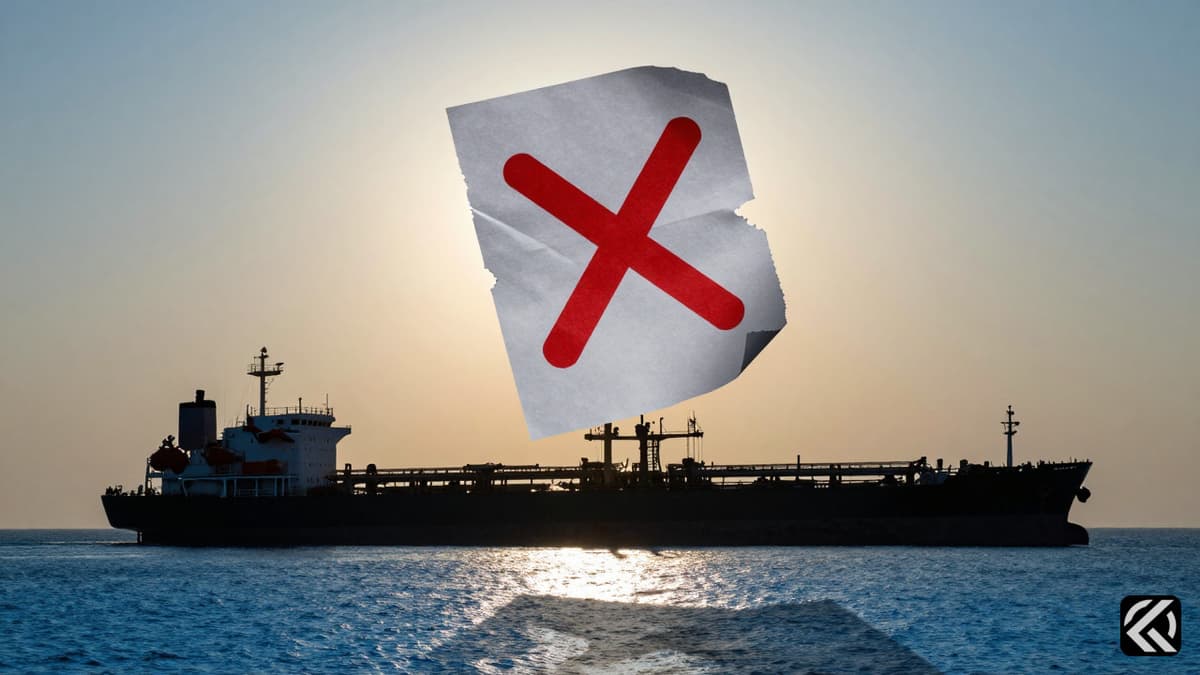
A fragile diplomatic breakthrough collapsed within hours. While Iran agreed to safe passage, Israel's refusal to stop its offensive threatens to derail the entire peace effort.
It took only a few hours for a major geopolitical announcement to drift into uncharted and unstable territory. On Wednesday, April 8, 2026, President Donald Trump announced a significant ceasefire between the United States and Iran. The agreement was intended to immediately end hostilities, marking a dramatic shift in regional dynamics. However, the implementation of this Trump Trump truce faced immediate and severe complications that threatened to unravel the negotiations before they could take full effect.
The core of the agreement, as outlined by President Trump, hinged on a specific condition for its activation. The truce was to take effect immediately, but only subject to Iran's commitment to reopening the Strait of Hormuz reopening. This critical waterway is a vital artery for global energy transport, and its closure had been a primary catalyst for the escalation that the deal sought to resolve. The United States and its allies were hoping that the reopening of this strait would signal a genuine return to stability and de-escalation. Iran, in response, stated clearly that it would honor the ceasefire and allow for the "safe passage" of tankers through the Strait. This commitment was seen as a pivotal step toward normalizing trade and reducing tensions in the region.
Pakistan played a crucial role in the diplomatic maneuvering that led to this announcement. As the mediator of the deal, Pakistan confirmed that the ceasefire applied to all fronts involved in the broader conflict. This included the situation in Lebanon, which had been experiencing intense conflict. The agreement was designed to be comprehensive, aiming to bring peace to multiple theaters of operation simultaneously. The scope of the deal was broad, suggesting a hope that a single agreement could resolve the multifaceted nature of the regional crisis. The involvement of a third-party mediator like Pakistan added a layer of international weight to the initiative, signaling that the global community was closely watching the developments.
Despite the broad initial agreement, a significant catch emerged that threatened the viability of the truce. For the ceasefire to prevail specifically in Lebanon, the deal included a stringent condition: Israel would have to halt its ongoing bombing campaigns and ground invasion immediately. This requirement was non-negotiable within the framework of the mediated agreement. The logic was straightforward; the ceasefire could not hold in one region while active combat continued in another. The integration of the Lebanese front was essential for the overall success of the diplomatic effort.
However, the necessary actions from the Israeli leadership did not materialize as expected. Prime Minister Benjamin Netanyahu, representing the Israeli government, indicated that he was not ready to halt the military operations. The source material explicitly states that Netanyahu is not ready for that step, not yet. This refusal created an immediate impasse. Without the cessation of Israeli bombing and the ground invasion, the condition for the ceasefire in Lebanon could not be met. Consequently, the comprehensive nature of the deal began to fracture. The inability to satisfy the demands of the truce in Lebanon meant that the broader agreement was on shaky ground from the outset.
The situation highlights the complexity of regional conflicts where a single actor's inaction can derail a multi-national peace effort. The initial optimism surrounding the announcement quickly gave way to the reality of divergent national interests and timelines. While Iran committed to the safe passage of tankers and the reopening of the strait, the lack of movement from Israel in Lebanon rendered the broader agreement incomplete. The "safe passage" of tankers remained the hopeful anchor of the deal, but without the parallel cessation of hostilities in Lebanon, the stability of the region remained precarious.
The timeline of events underscores the fragility of the situation. The announcement was made on April 8, 2026, and by the following hours, the cracks were visible. The divergence in readiness between the parties involved was stark. Iran and the United States appeared poised to move forward with the truce, conditional on the strait's reopening. However, the refusal of the Israeli leadership to alter its military strategy in Lebanon prevented the full realization of the peace terms. This discrepancy created a scenario where the Iran Israel ceasefire was effectively deadlocked, despite the initial diplomatic breakthrough.
The immediate aftermath of the announcement reveals a complex web of dependencies. The success of the truce was inextricably linked to the actions of all parties involved. If the condition regarding the Israeli military operations in Lebanon is not met, the entire framework of the agreement risks collapse. The mediation efforts by Pakistan provided a foundation, but the execution of the deal relies entirely on the compliance of the belligerent parties. The refusal of Prime Minister Netanyahu to halt the invasion suggests that the diplomatic victory may be short-lived without further intervention or negotiation.
As the situation evolves, the focus remains on the Strait of Hormuz reopening. While Iran has expressed a willingness to allow safe passage, the broader context of the conflict means that the stability of the strait is still in question. The international community will be watching closely to see if the truce can be salvaged or if the failure to secure a comprehensive halt to hostilities will lead to renewed escalation. The initial hours of the announcement were defined by hope, but the reality of the situation suggests a continued period of uncertainty.
The diplomatic agreement, mediated by Pakistan, has encountered a critical failure point due to Israel's refusal to halt its offensive in Lebanon. While the Iran Israel ceasefire was announced with great fanfare, the lack of compliance from Israeli leadership threatens to invalidate the deal. The immediate future depends on whether the pressure can be applied to change Netanyahu's stance or if the truce will dissolve entirely. The reopening of the Strait of Hormuz reopening remains a hopeful but fragile prospect. Without a comprehensive halt to all hostilities, the region remains at risk of prolonged instability, turning the initial diplomatic success into a temporary pause rather than a lasting resolution.
Jun 8, 2026 00:51 UTC
Trump Claims Iran Nuclear Deal Imminent Despite Diplomatic Fractures
Jun 8, 2026 00:47 UTC
Iran Fires Missiles at Israel After Beirut Strike
Jun 7, 2026 22:00 UTC
US, Iran Peace Hops Fade 100 Days Into War
Jun 7, 2026 20:57 UTC
Iran Strikes Israel: IRGC Promises Week of Continuous Offensive
Jun 8, 2026 02:28 UTC
Trump Walks Out of Meet the Press After Rejecting Evidence Demands


