Section
Prime Minister Pedro Sánchez dissolves Parliament to call snap elections, aiming to regain public trust during Spain's escalating housing crisis and political turmoil.
Prime Minister Pedro Sánchez of Spain has officially called for Spain snap elections to be held on November 29, an unprecedented move that will end the current parliamentary term more than six months ahead of schedule. This decisive action comes as the Socialist Workers’ Party leader attempts to reclaim political momentum amidst a wave of nationwide unrest. The timing is strategic, aimed at shifting the narrative from legislative stalemate to a direct appeal to the electorate.
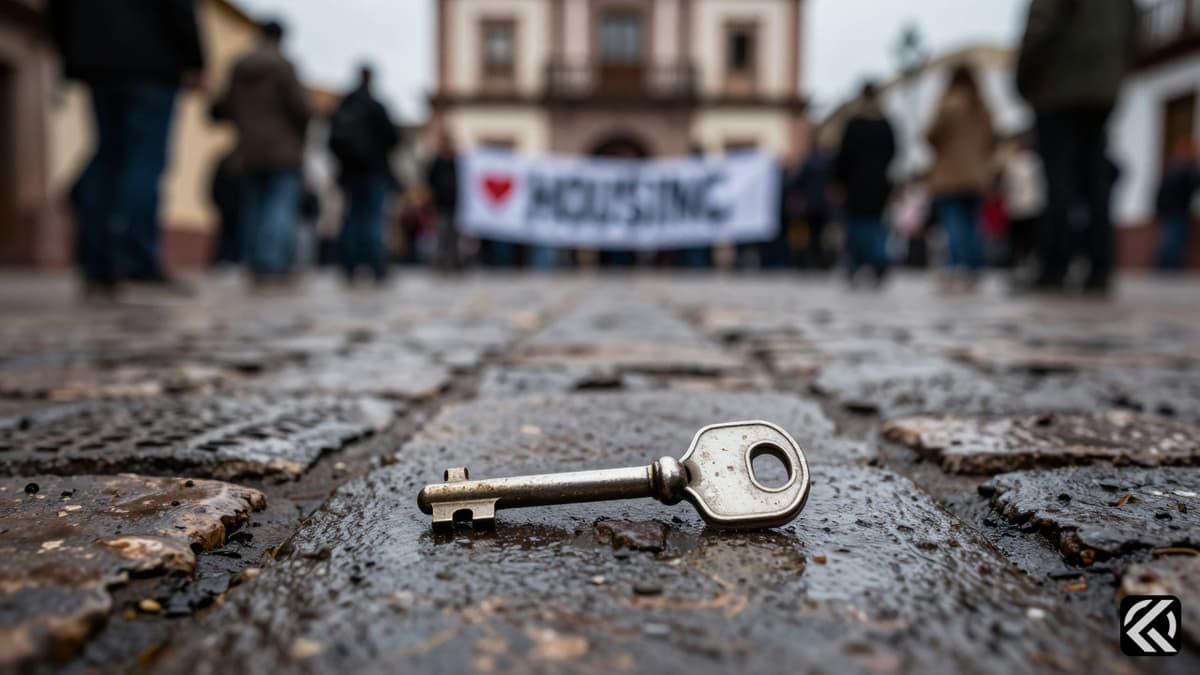
The catalyst for this political shift is the intensifying Spanish housing crisis, which has dominated public discourse following the eviction of Maria del Carmen Abascal. Known as Maricarmen, the 87-year-old resident of Madrid’s Retiro neighborhood was forced out after her rent skyrocketed from €500 to €2,650. Her case has become a potent symbol of the nation’s housing emergency, igniting fury among thousands who have taken to the streets in protest. For over a week, hundreds of people have camped in Madrid’s Puerta del Sol, while other regions see similar rallies. The Madrid’s Tenants Union reports that nearly 950,000 people participated in demonstrations across the country over the weekend, highlighting the depth of public dissatisfaction.
Sánchez announced the dissolution of Parliament during a televised address from the Moncloa presidential palace. “After informing the head of state, I have decided to convene an extraordinary meeting of the Council of Ministers this morning to dissolve Parliament and call a general election,” he stated. This announcement follows his government’s failure last week to secure parliamentary backing for two proposed laws designed to tackle the housing emergency. The rejection of these measures by right-wing parties just three days prior forced Sánchez’s hand, prompting him to seek a fresh mandate.
Analysts suggest that Sánchez plans to center his campaign on housing issues to win back popular support, which has been eroding due to several recent setbacks. His party has lost ground in regional elections this year, and its reputation has been tarnished by corruption scandals involving close associates. Additionally, the migration crisis in Ceuta, where tens of thousands of migrants crossed into Spanish territory bordering Morocco this summer, intensified criticism of his administration’s handling of complex socio-economic challenges.
“We need to renew people’s support,” Sánchez admitted, acknowledging the public’s frustration. “We need to mobilise and win a much larger progressive majority in parliament, one that will allow us to overcome vested interests, deliver new social advances and continue transforming Spain.” He conceded that his government had made “mistakes” but argued they faced unprecedented external challenges, citing the wars in Ukraine and the Middle East. He also pointed to Spain’s rise as one of Europe’s strongest economies as a counterpoint to the criticism.
Sánchez finds himself in a unique position as one of the few center-left leaders in Europe amid a surge in right-wing populism. His administration has taken firm stances on several international issues that have garnered public support, particularly in opposition to the Trump administration. When the US threatened to cut off trade and misuse Spanish military bases, Sánchez refused to allow US bombers to use Spanish territory. This defiance provoked anger from the White House but doubled down public backing for his independent foreign policy. He also argues that immigration is essential for economic growth, having regularized the status of hundreds of thousands of undocumented migrants earlier this year.
The upcoming election will likely determine whether the center-right People’s Party (PP), which currently leads in opinion polls, can form a government. There is a significant possibility that the far-right Vox party could join such a coalition. If Vox were to enter an incoming government, it would mark the first time the far-right has been part of a government in Spain since the return of democracy after Francisco Franco’s death in 1975. Sánchez’s government has struggled to pass legislation, including a national budget, for years, often relying on decrees. His ability to secure a “progressive majority” in this election will be critical for the future of his party’s influence and the direction of Spain’s social policies.
The outcome of these snap elections will likely redefine Spain’s domestic and international posture. A victory for the conservative PP, potentially with Vox support, could reverse recent progressive housing and migration reforms, leading to stricter austerity measures and tighter border controls. Conversely, if Sánchez secures a larger majority, it may solidify his legacy and empower further social legislation despite global headwinds. The deep polarization evident in the housing protests suggests that whichever party wins will face immediate pressure to address the cost-of-living crisis and housing affordability. The nation stands at a crossroads where the resolution of the housing emergency will directly correlate with political stability in the coming years.
Oct 6, 2026 02:48 UTC
Yemen Forces Recapture Mocha in Major Counteroffensive
Oct 6, 2026 00:07 UTC
Teen Loses Hand in French School Protest Clashes Amid Escalating Violence
Oct 5, 2026 22:36 UTC
UAE Shares FlyDubai Crew Data After Pilot Seize Control Attempt
Oct 5, 2026 22:00 UTC
US Withdraws Heavy Bombers From UK Base Amidst Rising Tensions With Iran
Nov 5, 2026 20:16 UTC
Pia Dandiya Claims Landmark Florida Win in 2026 Midterms