Section
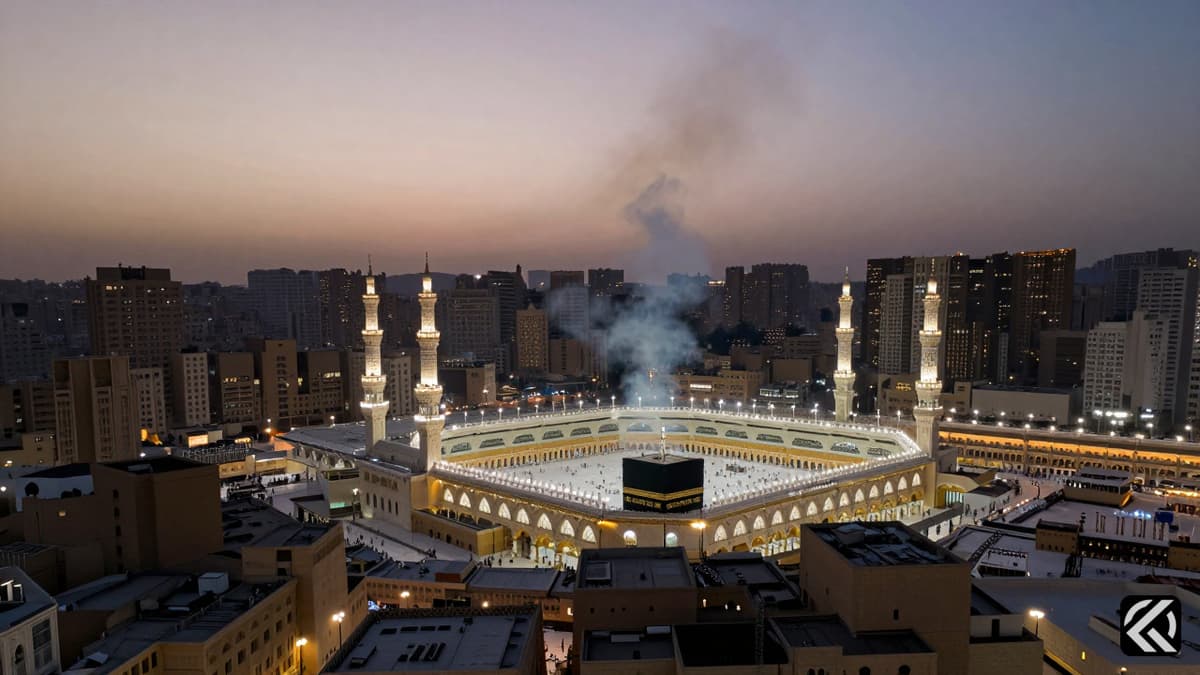
Saudi Arabia’s air defense systems successfully destroyed a Houthi drone south of Mecca before it could enter prohibited airspace, according to a statement released on Wednesday. This interception occurred on Tuesday evening, September 15, 2026, signaling a sharp escalation in hostilities within West Asia. The Saudi-led military coalition, led by spokesperson Turki al-Malki, confirmed the event as the first attempt to target the holy city in nearly nine years, following a previous ballistic missile launch in July 2017.
The drone strike follows a week of intensified attacks from Iran-aligned Houthi fighters, which have drawn Saudi Arabia deeper into a protracted regional war. The security of Mecca, home to some of the holiest sites in Islam and the focal point of the annual Hajj pilgrimage, has been described by coalition officials as a “red line.” Despite the official confirmation, Houthi officials have denied targeting the city. Mohammed al-Farah, a member of the Houthi political bureau, called the allegations an “outright lie” in comments carried by the Houthi-run SABA news agency.
The timing of this incident is critical, as global energy markets are already reeling from the six-month U.S.-Iran war that has effectively halted shipping through the Strait of Hormuz. Recent developments show Houthi forces seizing control of parts of Yemen’s Red Sea coast, specifically overlooking the Bab el-Mandeb strait. This strategic move threatens Saudi oil exports that have been rerouted away from the blocked Strait of Hormuz. The conflict has killed thousands across the region and continues to destabilize trade routes essential to the global economy.
The recent drone incident is part of a broader pattern of aggression. Over the past week, the Houthis have announced several major attacks on Saudi Arabia, including an assault on an air base on Monday, September 14. That specific attack resulted in injuries to 13 civilians, according to coalition officials. The Houthis stated these actions were in retaliation for airstrikes on Yemen, highlighting the cyclical nature of the violence. Additionally, Saudi Arabia attributed a separate attack on Friday, September 11, to a pro-Iranian movement in Iraq. This strike knocked out the East-West Pipeline, one of the kingdom’s most vital oil transport routes.
Saudi Arabia intercepts a Houthi drone south of Mecca, marking a significant escalation in regional hostilities as shipping disruptions threaten global energy markets.
The East-West Pipeline, a 1,200-kilometer (745-mile) link connecting Saudi oil fields to the Red Sea, has been the kingdom’s principal export route. Since the attack on Friday, the pipeline has been shut down. Traders warn that a prolonged closure could cut off as much as 4% of the global oil supply. While Mecca remains the symbolic focal point of this security crisis, the economic implications are vast. The U.S. Energy Secretary, Chris Wright, told CNBC on Tuesday that crude oil should flow through the pipeline within days, offering a glimmer of hope for market stability. However, Saudi Arabia has not confirmed when operations might resume.
The conflict reignited this month when Houthi forces pushed back units aligned with the Yemeni government, ending a period of relative quiet following a ceasefire in recent years. The coalition has battled the Houthis since 2015, but the current iteration of the war involves broader geopolitical stakes, including the disruption of global shipping lanes. The seizure of Red Sea coast areas by the Houthis adds a new layer of complexity, as it directly impacts the alternative export routes Saudi Arabia relies on when the Strait of Hormuz is compromised.
The intersection of military strategy and economic survival defines this phase of the conflict. The drone attack near Mecca serves as both a tactical demonstration of Houthi capability and a strategic warning. For global markets, the uncertainty surrounding the East-West Pipeline and the Strait of Hormuz creates a volatile environment. The potential for prolonged disruptions remains high, as neither side has shown clear signs of de-escalation. The loss of life and the destruction of critical infrastructure continue to mount, with the region bearing the brunt of the escalating tensions.
The interception of the drone near Mecca underscores the fragility of regional security and the immediate threats to high-value targets. As global energy markets remain roiled by the ongoing six-month war, the disruption of the East-West Pipeline represents a significant vulnerability for Saudi oil exports. The rerouting of supplies through the Red Sea is now under direct threat due to Houthi control of coastal areas. Analysts suggest that without a swift resolution to the pipeline damage, the global economy could face sustained inflationary pressures and supply shortages. The psychological impact on the residents and pilgrims of Mecca cannot be overstated, even as the primary concern remains the continuity of global energy flows. The coming days will be critical in determining whether the pipeline repairs can be completed and if diplomatic efforts can curb the intensifying drone and missile attacks.
Oct 6, 2026 02:48 UTC
Yemen Forces Recapture Mocha in Major Counteroffensive
Oct 6, 2026 00:07 UTC
Teen Loses Hand in French School Protest Clashes Amid Escalating Violence
Oct 5, 2026 22:36 UTC
UAE Shares FlyDubai Crew Data After Pilot Seize Control Attempt
Oct 5, 2026 22:00 UTC
US Withdraws Heavy Bombers From UK Base Amidst Rising Tensions With Iran
Nov 5, 2026 20:16 UTC
Pia Dandiya Claims Landmark Florida Win in 2026 Midterms