Section
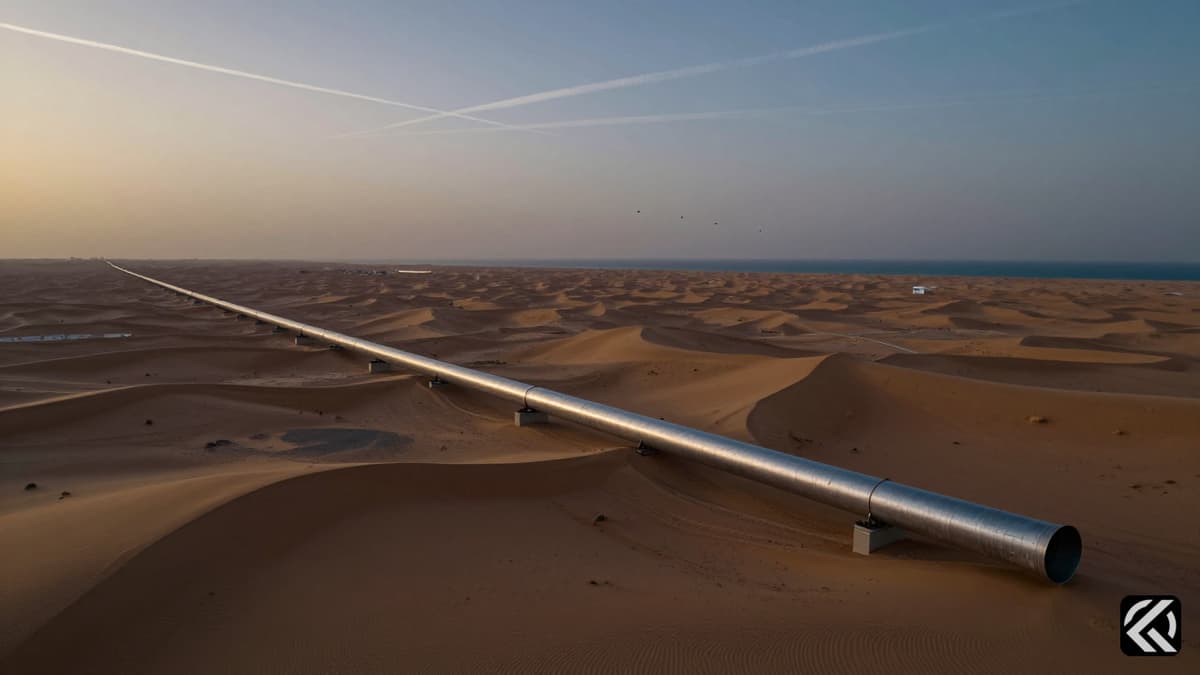
Saudi forces intercepted a Houthi drone near Mecca, intensifying fears over global oil supplies as the strategic East-West Pipeline remains disabled.
Saudi Arabia’s air defences destroyed a Houthi drone south of Mecca on Tuesday evening, preventing it from entering prohibited airspace over the holy city. A spokesperson for the Saudi-led military coalition confirmed the interception, highlighting the heightened security measures in place for the region.
The incident occurred during a period of intensified conflict in West Asia, with fighting spreading across the region. This marks a significant escalation, as it is the second attempt to target Mecca since a ballistic missile launch in July 2017. The coalition spokesperson, Turki al-Malki, emphasized that the security of Mecca, home to Islam’s holiest sites and the focal point of the annual hajj pilgrimage, remains a "red line."
Despite the coalition's assertions, Houthi officials have firmly denied targeting the city. Mohammed al-Farah, a member of the Houthi political bureau, dismissed the allegations as "an outright lie" in comments reported by the Houthi-run SABA news agency. This denial underscores the ongoing information warfare accompanying the physical attacks.
The broader context of this incident involves a six-month war between the U.S. and Iran, which has severely impacted global energy markets. Shipping through the Strait of Hormuz has slowed to a trickle, forcing Saudi Arabia to rely on alternative export routes. Recently, the Houthis have seized control of parts of Yemen’s Red Sea coast, overlooking the Bab el-Mandeb strait, further threatening Saudi oil exports.
In a separate development, Saudi Arabia blamed a pro-Iranian movement based in Iraq for an attack on Friday, September 11, 2026. This assault knocked out the East-West Pipeline, the kingdom’s principal oil export route linking Gulf fields to the Red Sea. The 1,200-km pipeline’s closure is critical, as traders warn that a prolonged shutdown could cut off up to 4% of the global oil supply.
U.S. Energy Secretary Chris Wright expressed optimism on Tuesday, stating that crude oil should flow through the pipeline within days. However, Saudi Arabia has not confirmed when operations might resume, leaving markets in suspense. The Houthis have announced several major attacks on Saudi Arabia in the past week, including an air base strike on Monday that wounded 13 civilians.
The destruction of the Houthi drone represents a tactical victory for Saudi air defences but signals a dangerous escalation in the wider regional conflict. The proximity of the attack to Mecca challenges the coalition’s ability to protect its most symbolic locations, potentially galvanizing domestic support for harsher military responses. Meanwhile, the disruption to the East-West Pipeline exerts immense pressure on global energy prices, with the ongoing war showing no immediate signs of de-escalation. As shipping routes remain compromised, the world’s reliance on Middle Eastern oil highlights the vulnerability of global supply chains to proxy conflicts. If the pipeline remains offline, the economic ramifications could deepen the global financial instability already triggered by the six-month conflict. The coming weeks will be critical in determining whether diplomatic off-ramps exist or if the region faces a protracted period of volatility and heightened military engagement.
Oct 6, 2026 02:48 UTC
Yemen Forces Recapture Mocha in Major Counteroffensive
Oct 6, 2026 00:07 UTC
Teen Loses Hand in French School Protest Clashes Amid Escalating Violence
Oct 5, 2026 22:36 UTC
UAE Shares FlyDubai Crew Data After Pilot Seize Control Attempt
Oct 5, 2026 22:00 UTC
US Withdraws Heavy Bombers From UK Base Amidst Rising Tensions With Iran
Nov 5, 2026 20:16 UTC
Pia Dandiya Claims Landmark Florida Win in 2026 Midterms