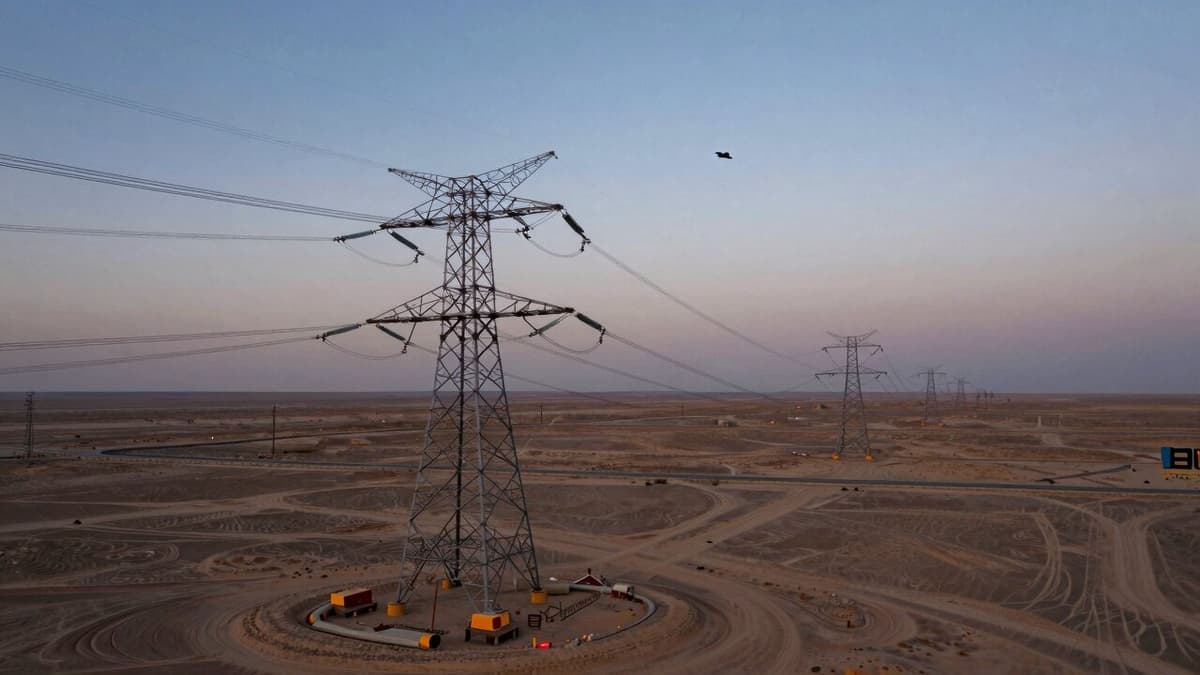
Amidst tensions with Donald Trump's ultimatum to open the Strait of Hormuz, Iran threatens to destroy West Asia power plants fueling U.S. military bases in a move targeting Israel and American infrastructure.
The geopolitical landscape of West Asia has reached a boiling point as the deadline for opening the Strait of Hormuz approaches. On Monday, March 23, 2026, the Islamic Republic of Iran issued a formidable warning through its state television, signaling that military and economic targets are now in play. The statement, read out on air by the Iranian Revolutionary Guard, serves as Tehran's latest justification and warning regarding its ongoing hostilities with Gulf Arab nations.
At the heart of this confrontation is the vital energy infrastructure that supports the American military presence in the region. In response to escalating tensions, Iran has declared a clear course of action: if power plants are attacked, Tehran will retaliate with precision strikes against the electrical grids powering U.S. bases. This declaration was not merely a veiled threat but a specific enumeration of targets, including the economic, industrial, and energy sectors where Americans hold significant shares.
The language used by Iranian officials underscores the intensity of the conflict. The statement explicitly referred to Israel as the "occupying regime," indicating that the conflict is not limited to direct US-Iranian hostilities but includes regional alliances. The warning to the region's residents and military leadership was unequivocal: "Do not doubt that we will do this." By framing the power plants of regional countries as part of the "occupying regime's" support network, Tehran is essentially declaring that any nation aiding U.S. military operations through energy infrastructure will become a target for Iranian reprisals.
The Iranian threat arrives in direct response to a high-stakes ultimatum issued by US President Donald Trump. On the morning of Sunday, March 22, 2026, just one day before the Iranian broadcast, President Trump warned that the United States would target Iranian power plants within 48 hours if the Strait of Hormuz remained effectively closed.
The American stance was predicated on the freedom of navigation and the security of global shipping lanes. The President made it clear that Iranian fire on shipping vessels would trigger a devastating counter-attack against Iran's own energy infrastructure. This creates a dangerous cycle of mutual assured destruction regarding the region's power grids. With the 48-hour window closing, the threat of nuclear or conventional strikes against Iranian nuclear and electrical facilities became a tangible reality, prompting the immediate Iranian counter-proposal to target the very sources that sustain American operations in the Gulf.
This tit-for-tat strategy highlights the fragility of the current security architecture. The interconnectivity of West Asia's energy sector means that an attack on one nation's grid to support a foreign power is a viable tactic for both sides. The Trump administration's threat was designed to force the reopening of the strait, while Iran's response aims to raise the cost of such an intervention to an unacceptable level for Washington and its allies.
The delivery of this threat is significant in itself. The statement was read out on Iranian state television, a platform historically used to convey official policy and resolve the domestic and international audiences. The agency behind this communication, the paramilitary Revolutionary Guard, has been the primary architect of Iran's military posture in the Gulf.
By broadcasting the statement, Tehran is attempting to explain its aggressive actions against Gulf Arab countries, framing them as defensive measures against an encroaching "occupying regime" and its American supporters. The narrative constructed is one of necessity; Iran posits that its attacks are a direct response to the perceived aggression from the U.S. and its regional partners. The specific mention of targeting "economic, industrial and energy infrastructures in which Americans have shares" broadens the scope of the potential conflict beyond military assets to include the broader commercial and industrial lifeblood of the United States' engagement in the region.
This approach signals a shift from purely kinetic military engagements to a strategy of economic warfare. By threatening the power plants that light up bases, factories, and cities, Iran is attempting to leverage its geographical and infrastructural advantages to deter American escalation.
As the 48-hour deadline imposed by President Trump draws to a close, the region stands on the precipice of a potentially catastrophic exchange of fire. The threat of retaliatory strikes against power plants that serve both civilian populations and military installations suggests that the conflict may expand beyond the Strait of Hormuz to disrupt the entire regional power supply.
Experts and analysts predict that if the U.S. proceeds with its threat to strike Iranian power plants, the Iranian response will be swift and brutal, targeting the electrical grids of neighboring countries that supply the U.S. bases. This could lead to widespread blackouts across West Asia, causing massive humanitarian and economic repercussions. The involvement of Israel as a designated target, described by Iran as an "occupying regime," further complicates the scenario, raising the possibility of a broader regional war involving multiple state actors.
The coming days will be critical. The interaction between Trump's hardline deadline and Iran's reciprocal threat to dismantle the energy infrastructure supporting American forces will define the immediate future of the conflict. Whether diplomacy can intervene before the first generator is silenced remains to be seen, but the rhetoric from both sides suggests a commitment to a path of maximum pressure and maximum retaliation. The stability of the Strait of Hormuz, and the safety of the power grids that keep the region alive, now hang in the balance.
May 7, 2026 11:10 UTC
Iran War Forces Strait of Hormuz Control Amid Oil Price Volatility
Join 50,000+ readers getting the global briefing every morning.
No spam. Unsubscribe anytime.
May 7, 2026 11:10 UTC
Iran War Forces Strait of Hormuz Control Amid Oil Price Volatility
May 7, 2026 09:44 UTC
Suvendu Adhikari's Aide Shot Dead in West Bengal Election Violence
May 7, 2026 07:45 UTC
Tamil Nadu Assembly Election: TVK Chief Minister Race Intensifies
May 7, 2026 07:16 UTC
Tehran Prepares Response as Ships Stranded in Strait of Hormuz Crisis


