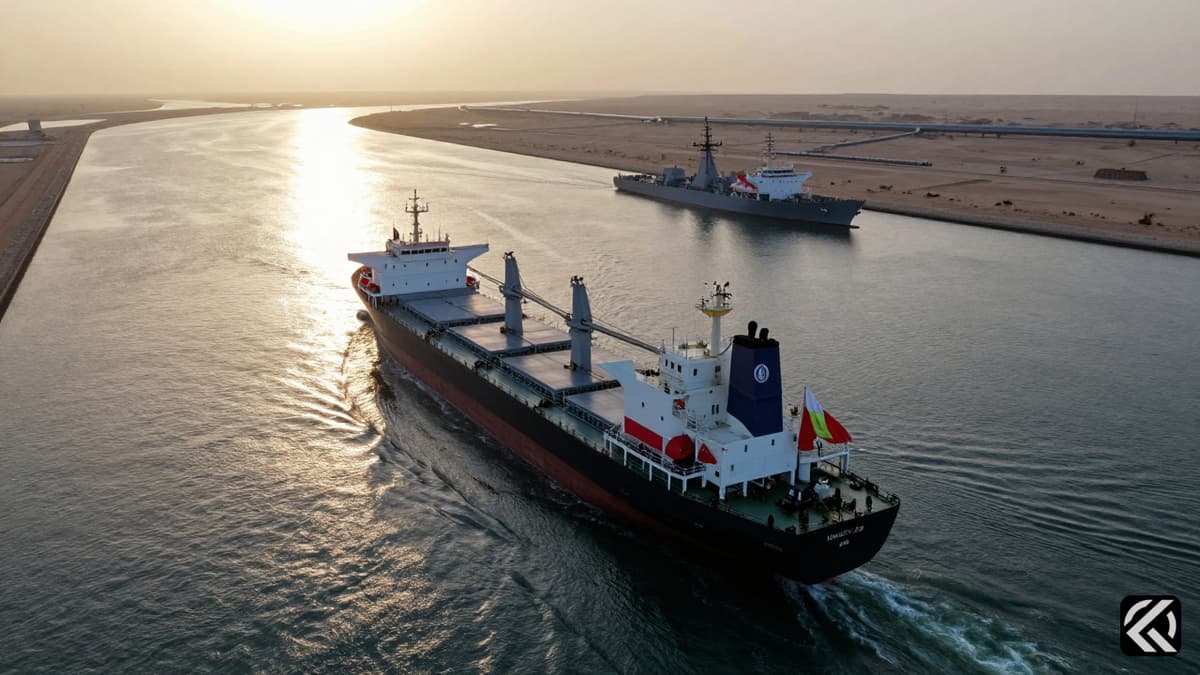
Global oil markets react sharply as President Trump confirms a seized Iranian vessel, fueling fears of a prolonged US-Iran energy conflict and potential long-term disruptions to global energy flows.
Global oil prices rose in Monday morning trade in Asia after President Donald Trump confirmed that the US has intercepted and seized an Iran-flagged cargo ship. This dramatic escalation comes directly after Iran announced on Saturday that it would close the Strait of Hormuz waterway to commercial vessels, stating that any ship approaching the area would be targeted.
The immediate impact on financial markets was severe. Brent crude futures rose by 4.74% to reach $94.66 (£70.11) a barrel, while West Texas Intermediate contracts climbed 5.6% to $88.55. These figures represent a significant recovery from levels below $70 per barrel prior to the conflict, though they remain far below the peak of almost $120 reached on March 9.
This volatility marks the latest chapter in a turbulent period for energy markets. Since the US and Israel launched attacks on Iran on February 28, the region has seen wild swings. Tehran has responded with threats to target shipping in the strait, a critical chokepoint through which approximately 20% of the world's oil and liquefied natural gas (LNG) passes. The Strait of Hormuz oil closure has become a central flashpoint, with the Islamic Revolution Guard Corps (IRGC) stating on Sunday that the strait remains closed. This decision followed a temporary reopening that the IRGC had previously ended due to a US naval blockade, which Tehran claims violates the terms of a ceasefire agreement.
Trump had indicated on Friday that the naval blockade would continue until a deal was agreed upon by the two countries. Simultaneously, political maneuvering continued on the diplomatic front. Trump stated that his representatives would be in Pakistan on Monday for negotiations, with a White House official confirming that Vice-President JD Vance would lead the US delegation. However, Iranian state media reported that Tehran had "no plans for now to participate" in the talks, although Iranian officials have yet to fully clarify the country's position on the matter.
Market analysts note that the current volatility is driven by a chaotic mix of diplomatic rhetoric and military posturing. Saul Kavonic, an analyst from financial services firm MST Marquee, told the BBC that oil markets continue to gyrate in response to oscillating social media posts by the US and Iran. He emphasized that these fluctuations are occurring rather than the realities on the ground, which remain challenging for oil flows to resume in a rapid fashion. Kavonic described the situation as negotiations physically playing out in real time on the Strait of Hormuz.
The consequences of this Strait of Hormuz oil closure are particularly severe for Asian economies. The region relies on shipments that usually pass through this narrow waterway for around 90% of its energy needs. As a result, governments across the region have been forced to take drastic measures to conserve supplies. Authorities have ordered employees to work from home, cut the working week, declared national holidays, and closed universities early. Some South East Asian countries, including Singapore and Thailand, have specifically called on people to curb their use of air conditioning to save energy.
Futures contracts, which are agreements to buy or sell assets at a set price on a specified date in the future, are reflecting this uncertainty. The Brent futures contract currently being quoted is for crude oil to be delivered in June. With the US blockade in place and Iran maintaining its threat against approaching ships, the path to de-escalation remains unclear. The US-Iran energy conflict has effectively paralyzed a key artery of global trade, forcing nations to scramble for alternatives while waiting for the outcome of the ongoing diplomatic and military standoff.
The ongoing closure of the Strait of Hormuz presents a precarious future for global energy stability, as both nations maintain rigid positions. With the US naval blockade persisting until a deal is reached and Iran refusing to participate in immediate talks, the likelihood of a rapid resumption of oil flows remains low. Given that Asia depends on this route for the vast majority of its energy, the continued volatility suggests that conservation measures and potential long-term supply disruptions will likely persist, driving sustained pressure on global oil prices as the conflict drags on without an immediate diplomatic breakthrough.
Jun 8, 2026 02:17 UTC
Magnitude 7.8 Quake Shakes Philippines, Urging Immediate Evacuations
Jun 8, 2026 00:51 UTC
Trump Claims Iran Nuclear Deal Imminent Despite Diplomatic Fractures
Jun 8, 2026 00:47 UTC
Iran Fires Missiles at Israel After Beirut Strike
Jun 7, 2026 22:00 UTC
US, Iran Peace Hops Fade 100 Days Into War
Jun 8, 2026 04:15 UTC
Trump Urges Netanyahu to Halt Iran Strike for Peace


