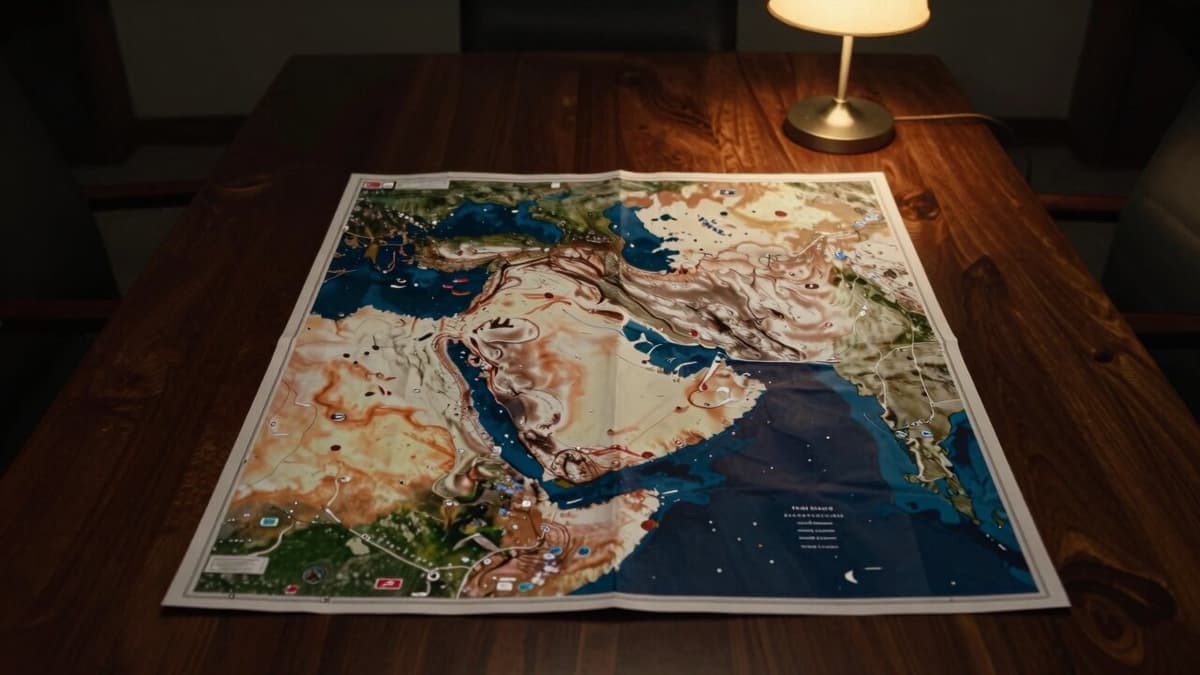
PM Modi calls the West Asia Crisis worrisome, citing economic impacts and Strait of Hormuz disruptions. Updates on India's fuel supply efforts and civilian evacuations.
Prime Minister Narendra Modi addressed the ongoing West Asia Crisis during a recent address to the Lok Sabha, describing the situation as "worrisome" and noting its severe impact on the global economy and daily lives of people. The Prime Minister emphasized that the conflict, which has persisted for over three weeks, has created significant disruptions, particularly in the Strait of Hormuz, a critical artery for global energy trade. In response, India has prioritized the safety of its citizens and the maintenance of fuel supplies, with Indian missions actively extending all possible help to those affected in the region.
The escalating tension has triggered immediate responses from regional and international actors. Iran has issued a stark warning that any attack on its coasts or islands would result in the deployment of sea mines across Gulf access routes, potentially closing the waterway for an extended period. This threat draws attention to the historical failure of over 100 minesweepers in the 1980s, highlighting the difficulty of clearing such waterways if they are deliberately contaminated. Meanwhile, Saudi Arabia reported intercepting and destroying two drones in its eastern region, and the UAE confirmed its air defense systems are actively dealing with incoming missile and drone threats.
On the diplomatic front, Prime Minister Narendra Modi stressed that dialogue and diplomacy remain the only viable solutions to end the conflict and reduce tensions. He noted that while the situation is concerning from economic, national security, and humanitarian perspectives, efforts are underway to ensure the security of Indians both within the country and abroad. The Prime Minister highlighted that more than 375,000 Indians have returned to India safely since the war began. Of these, approximately 1,000 were evacuated from Iran alone, including over 700 medical students currently studying there. Additionally, the CBSE has canceled examinations in all Indian schools across the Gulf to ensure that the education of these children continues without disruption, with distance learning extended to April 3 for private schools in Dubai.
The economic ramifications of the crisis are being felt globally, with the International Energy Agency (IEA) chief Fatih Birol warning that the region is facing a situation comparable to "two oil crises and one gas crash put all together." Birol stated that the global economy is under a major threat and that no country will be immune to the effects if the situation continues. The crisis has led to a surge in concern over energy flows, with Iran threatening to target energy and water desalination facilities in the Gulf if its power grid is attacked. The US military's Central Command chief, Admiral Brad Cooper, also commented on the situation, stating that Iran is operating in a sign of desperation and has deliberately attacked civilian targets more than 300 times in recent weeks.
Despite the chaos, commercial activity has seen some movement, with Prime Modi noting that many Indian ships have landed in India via the Strait of Hormuz in the past few days, indicating that some routes remain navigable despite the threats. In the UAE, the Knowledge and Human Development Authority confirmed that distance learning will continue until April 3 for private schools, ensuring educational continuity amidst the instability. The UAE's National Emergency Crisis and Disaster Management Authority (NCEMA) has also reassured citizens that sounds of thunder in recent days are "normal and expected," urging the public to rely on the National Early Warning System for any official threats.
UAE diplomatic adviser Anwar Gargash emphasized that the focus must extend beyond a temporary ceasefire with Iran to ensure long-term security in the Arabian Gulf. He stressed the need to address nuclear risks, missile and drone threats, and maritime safety to confront Iran's "blatant aggression." This sentiment aligns with the broader international push for an early resolution to the conflict, as the world urges all sides to de-escalate to prevent a catastrophic collapse of the global energy system.
As the West Asia Crisis deepens, the strategic postures of regional actors are shifting toward more aggressive deterrents that could permanently alter the security architecture of the Gulf. Iran's explicit threat to mine Gulf routes if its territory is targeted suggests a high probability of the Strait of Hormuz becoming a contested zone, echoing historical precedents where minesweeping efforts proved largely ineffective. If these threats are acted upon, the resulting closure of these critical waterways would likely force a total recalibration of global supply chains, exacerbating the "major major threat" identified by energy experts. The convergence of Iran's mining threats, US military assertions regarding Iranian desperation, and the interception of drones by Saudi Arabia and the UAE points toward a prolonged period of instability. Without a significant diplomatic breakthrough or a de-escalation of rhetoric, the region risks a cycle of tit-for-tat military actions that could trap global commerce in a choke point similar to the historical failures mentioned by regional analysts, fundamentally impacting the economic stability of nations dependent on Gulf energy imports for the foreseeable future.
May 7, 2026 13:16 UTC
Rubio Meets Pope as Iran Weighs US War Proposal
Join 50,000+ readers getting the global briefing every morning.
No spam. Unsubscribe anytime.
May 7, 2026 11:58 UTC
Operation Sindoor: One Year Since Pahalgam Attack and Military Response
May 7, 2026 11:10 UTC
Iran War Forces Strait of Hormuz Control Amid Oil Price Volatility
May 7, 2026 09:44 UTC
Suvendu Adhikari's Aide Shot Dead in West Bengal Election Violence
May 7, 2026 07:45 UTC
Tamil Nadu Assembly Election: TVK Chief Minister Race Intensifies


