Section

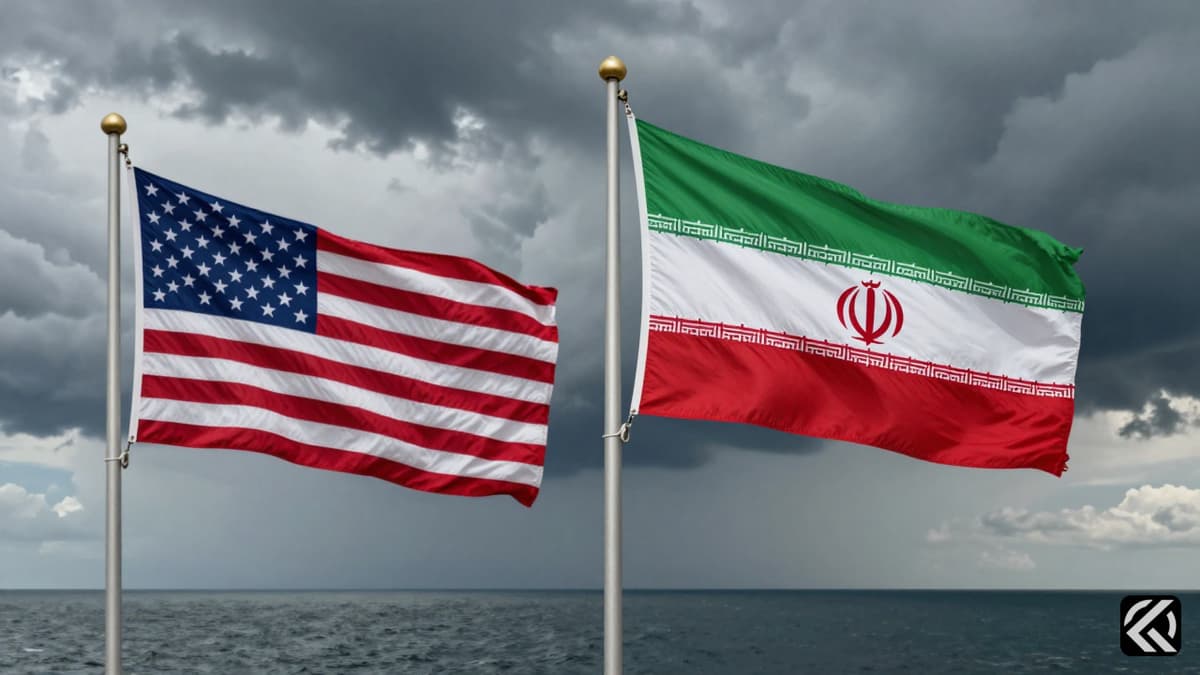
Iran’s security chief lays out stringent terms to end hostilities, including ending the naval blockade and releasing frozen assets, while maintaining military pressure.
Iran’s security chief, Mohsen Rezaei, has officially outlined Tehran’s latest set of conditions required to end its ongoing conflict with the United States. Speaking in an exclusive interview on Saturday, Rezaei confirmed that these demands were conveyed to Washington through Qatari mediators. He emphasized that Iran is now more battle-hardened than during the initial 40 days of the war, which commenced in late February following joint strikes by the US and Israel.
While full-scale fighting has paused for months, diplomatic progress remains stalled. A 60-day memorandum of understanding (MoU) signed on June 17 expired last month, leading to a surge in hostilities. Attacks have intensified, particularly around the Strait of Hormuz, which Iran has effectively closed. Simultaneously, the US has maintained a blockade of Iran’s southern ports. This instability, combined with Houthi control of Red Sea routes, has pushed oil prices past $100 per barrel.
Rezaei described the new stance as part of a "two-sided, twofold message" combining diplomatic openness with war readiness. The specific conditions include an end to the war on all fronts, notably in Lebanon, the release of billions in frozen funds, an end to the naval blockade, and an end to US interference in Iran’s internal affairs. Rezaei also demanded an end to US cooperation with "opponents of our revolution" and all attacks on Iranian territory.
Iran’s parliament Speaker Mohammad Bagher Ghalibaf reinforced this stance on Sunday, stating that the critical waterway will remain closed until the US fulfills its commitments. "Until these conditions are met, the legitimate rights of the Iranian nation are recognised... there will be no opening for a return to the previous state of negotiations," Ghalibaf said.
Analysts note that while the substance of the demands resembles the June MoU, the delivery method signals a strategic shift. Adel Abdel Ghafar of the Australian Strategic Policy Institute explained that Iran is putting the onus back on Washington by delivering these terms publicly. Both sides remain at an impasse; the US holds air superiority and sustains the blockade, while Iran uses asymmetric leverage to complicate global energy markets.
Rezaei rejected US accusations that Iran violated the previous agreement by striking an oil tanker, citing prior US attacks on Bandar Abbas. He noted that the dispute resolution committee agreed upon by Ghalibaf and US Vice President JD Vance was unilaterally withdrawn by Washington. Regarding its nuclear program, Rezaei stated Iran could have withdrawn from the Non-Proliferation Treaty but currently abides by a fatwa banning nuclear weapons.
The latest demands mark a pivot in Iran’s diplomatic strategy, leveraging public pressure ahead of US midterm elections. By framing the closure of the Strait of Hormuz as a direct consequence of unfulfilled US commitments, Tehran aims to increase economic pain for American allies. Experts suggest President Trump may take these terms seriously to avoid political fallout before the November elections, though significant gaps remain. The US has warned citizens in the region of heightened security risks, signaling continued tension. Future prospects hinge on whether Washington views these terms as a basis for dialogue or as an unacceptable surrender.
Sep 20, 2026 22:26 UTC
Trump Issues Stark Ultimatum to Iran Amid Rising Tensions
Sep 20, 2026 22:10 UTC
Andy Burnham Welcomes Greenland Agreement Ahead of Trump Meeting
Sep 20, 2026 20:50 UTC
Trump Threatens Iran With Destruction Amidst Diplomatic Standoff
Sep 20, 2026 16:47 UTC
North Korea Missile Test: Rapid Dual Launches Escalate Tensions
Sep 21, 2026 00:37 UTC
Trump Warns of Destruction as Iran Demands Truce Conditions