Tamil Nadu Chief Minister M.K. Stalin has urged citizens to hoist black flags on homes and public spaces to protest a new parliamentary amendment.
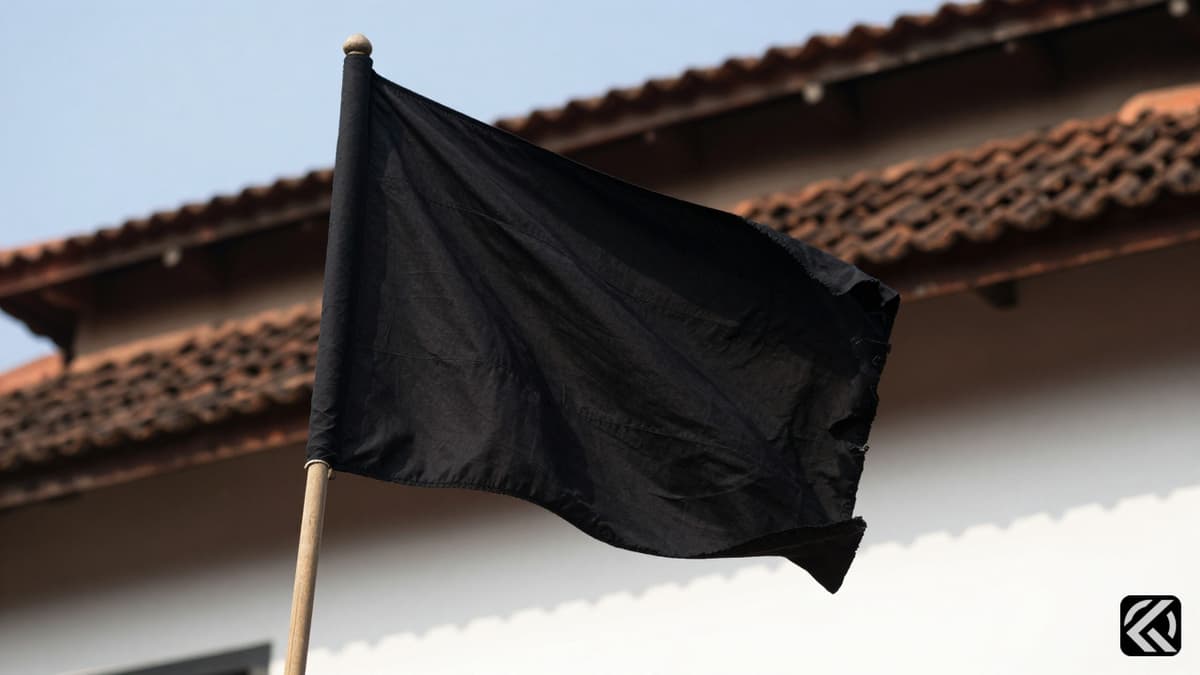
The Chief Minister of Tamil Nadu, M.K. Stalin, has issued a direct call to the people of the state to engage in a unified display of dissent regarding recent legislative developments. On Wednesday, April 15, 2026, the DMK president characterized a proposed amendment on delimitation as a "conspiracy" and a "black law." In response, he urged citizens to hoist black flags in their homes and at public places on the following day, Thursday, April 16.
This announcement follows an urgent meeting convened by the Chief Minister, which brought together party Members of Parliament and district secretaries to address the situation. The DMK leadership views the upcoming parliamentary introduction of the amendment as a critical threat. M.K. Stalin explicitly stated that the hoisting of black flags is the chosen method to express opposition, describing the legislation as a "black law" that signals a dark period for the nation.
The directive issued by the Tamil Nadu Chief Minister is specific and time-bound, targeting the general public across the state to participate in the demonstration. The core of the black flag protest involves the physical display of black flags, which serve as a universal symbol of mourning and severe opposition. According to the instructions, this visual act of defiance is to be carried out in every home as well as in public spaces. This strategy ensures widespread visibility and reinforces the magnitude of the party's stance against the proposed amendment.
The rhetoric employed by M.K. Stalin is notably aggressive, framing the political landscape as one where the BJP is "leading India into a dark period." By labeling the amendment a "conspiracy," the Chief Minister is attempting to mobilize the electorate not just against a policy, but against a perceived malign intent. The urgency of the situation is reflected in the immediate convening of party MPs and district secretaries, suggesting a high level of coordination is required to execute the protest effectively across diverse regions of the state.
The timeline provided by the Chief Minister allows for less than 24 hours between the announcement and the protest. This rapid mobilization indicates that the DMK leadership believes the threat posed by the amendment requires immediate public intervention. The instruction to hoist flags on Thursday, April 16, aligns with the date when the amendment is expected to be introduced in the Parliament. The synchronization of the physical protest with the legislative event is designed to maximize the symbolic impact of the demonstration on the national stage.
The involvement of district secretaries and party MPs in the initial meetings suggests a grassroots approach to the protest. These officials are likely tasked with overseeing the distribution of instructions to local communities and ensuring that the black flags are visible in the designated public areas. The emphasis on public places alongside private homes indicates an intention to make the protest a central part of the daily environment, turning the streets and squares of Tamil Nadu into a focal point of political expression.
The language used to describe the amendment as a "black law" is a direct challenge to the legitimacy of the legislation. By adopting this terminology, M.K. Stalin frames the political discourse in stark terms, leaving little room for compromise or nuanced debate. The DMK's position is clear: the proposed changes are not merely policy adjustments but are seen as a fundamental threat to the interests of the people of Tamil Nadu. This framing is likely intended to galvanize the party's base and attract supporters who are concerned about the implications of the delimitation amendment.
As the date approaches, the focus will shift from the initial call to action to the actual implementation of the protest. The success of the black flag protest will depend on the widespread compliance with the Chief Minister's directive. If the flags are hoisted as instructed, the visual statement will be substantial, potentially drawing attention from media outlets and national political observers. The event serves as a litmus test for the DMK's ability to mobilize the public against central government policies.
The historical context of such protests in Indian politics often signals a significant shift in the relationship between state and central governments. The decision to use black flags, a symbol of mourning and opposition, underscores the severity with which the Tamil Nadu government views the delimitation issue. This approach distinguishes the current response from routine political disagreements, positioning it as a matter of deep ideological concern.
The black flag protest initiated by Chief Minister M.K. Stalin represents a direct and immediate reaction to the proposed delimitation amendment. By framing the legislation as a "conspiracy" and a "black law," the DMK leadership is setting a confrontational tone for the coming days. The mobilization of party MPs and district secretaries indicates a high level of organizational readiness. Looking ahead, if the black flag protest is executed as planned, it is expected to intensify the political discourse in Tamil Nadu, potentially leading to further legislative or administrative challenges against the central government's plans. The widespread nature of the call for hoisting flags suggests a sustained period of agitation that could influence future political negotiations regarding the delimitation process.
Jun 8, 2026 02:17 UTC
Magnitude 7.8 Quake Shakes Philippines, Urging Immediate Evacuations
Join 50,000+ readers getting the global briefing every morning.
No spam. Unsubscribe anytime.
Jun 8, 2026 02:17 UTC
Magnitude 7.8 Quake Shakes Philippines, Urging Immediate Evacuations
Jun 8, 2026 00:51 UTC
Trump Claims Iran Nuclear Deal Imminent Despite Diplomatic Fractures
Jun 8, 2026 00:47 UTC
Iran Fires Missiles at Israel After Beirut Strike
Jun 7, 2026 22:38 UTC
Congress Party Claims Unity for INDIA Bloc Delhi Meeting