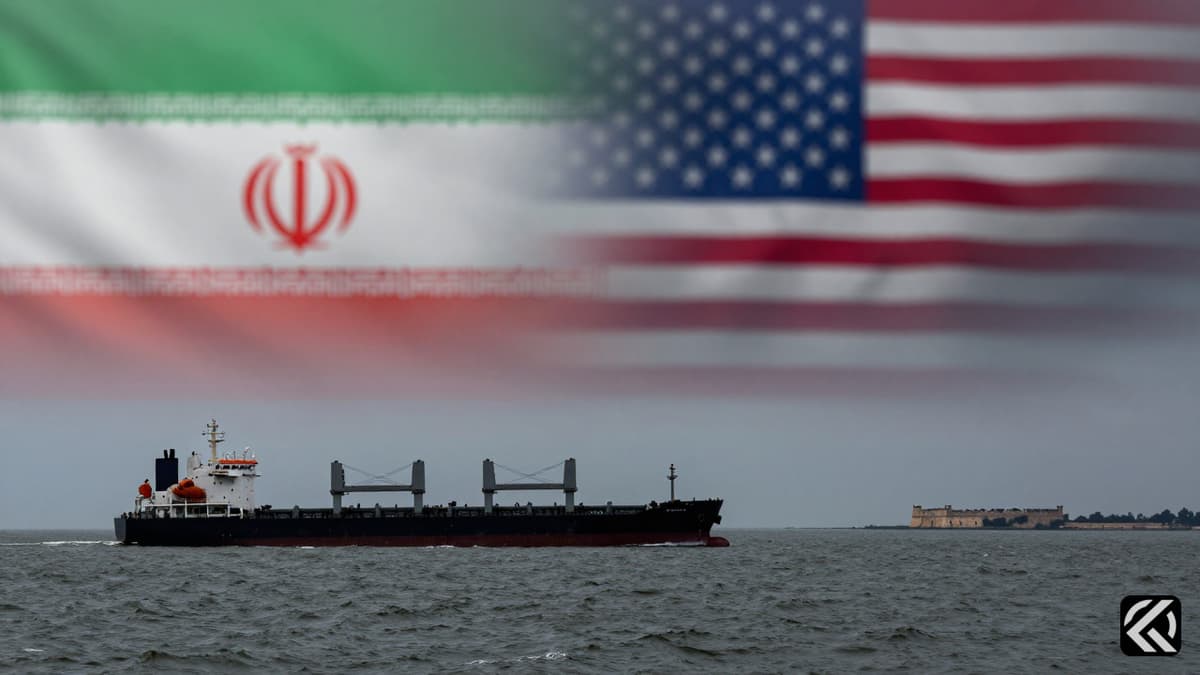
As the conflict enters its seventh week, a Pakistani high-level delegation arrives in Tehran to facilitate new talks between Washington and Tehran regarding the ongoing Iran war.
More than 5,500 people have been killed in Iran and Lebanon since the conflict erupted over six weeks ago, according to recent tolls provided by local authorities. The Israeli security cabinet is scheduled to discuss a possible Israel-Hezbollah ceasefire later today, as diplomatic efforts intensify following the first direct talks between the two nations in 40 years.
The discussion comes one day after high-level meetings in Washington DC under the auspices of the Trump administration, where Israel and Lebanon held their first direct talks in four decades. Under American pressure, Israel has scaled back the pace and scope of strikes in Lebanon, refraining from attacking the capital of Beirut in recent days, though it continues to strike targets in the south.
At least 2,167 people have been killed by Israeli strikes in Lebanon since March 2, including 172 children and 91 health workers, according to Lebanon's health ministry. In Iran, state media reports that at least 3,375 people have died since US and Israeli strikes began in February. The Israeli military claims these strikes target Hezbollah, accusing the group of using civilians as human shields, though it has not provided evidence for these allegations.
US President Donald Trump has hinted at further diplomatic developments, teasing "something" happening over the next two days in Islamabad where last week's talks occurred. The White House has indicated that a second round of talks between the US and Iran is a possibility, with a Pakistani high-level delegation arriving in Tehran to carry a message from Washington.
Pakistan's Field Marshal Asim Munir has arrived in the capital as head of this delegation to meet with Iranian Foreign Minister Abbas Araghchi. The two will discuss issues related to the second round of US-Iran negotiations, following high-level meetings that failed to yield an agreement earlier in the weekend. Iranian Foreign Ministry spokesperson Esmail Baghaei confirmed that Iran continues to exchange messages with the US through Pakistan, though he did not confirm if the current two-week ceasefire would be extended.
Baghaei criticized the US for failing to honor commitments, stating that Washington must prove its seriousness. He noted that there is no fresh proposal from the Iranian side, which continues to insist on its right to enrich uranium for peaceful purposes. The main sticking points remain unclear, with Baghaei calling some US demands "unreasonable and unrealistic." The US has proposed a 15-point plan that includes Iran committing to no nuclear weapons and reopening the Strait of Hormuz.
On the British front, Prime Minister Keir Starmer reaffirmed his refusal to join the Iran war, stating he will not yield to US pressure to allow British military bases to be used in operations against Iran. President Trump has previously criticized Starmer's stance and energy policies, but the British government disputes the characterization of current US-UK relations as strained.
The economic fallout of the conflict is also escalating. The International Monetary Fund warned that global government finances are fragile, urging nations to avoid overspending on measures to shield economies from high energy prices. Countries like Germany, Australia, and South Korea have introduced tax cuts or fuel price caps, but the IMF cautions against broad subsidies that could push prices even higher.
As the diplomatic machinery turns with a Pakistani delegation in Tehran, the trajectory of the conflict remains precarious. If the US-Iran negotiations yield a fresh proposal that addresses Tehran's concerns regarding nuclear enrichment and energy security, a second round of talks could de-escalate the maritime blockade. However, with the US demanding the reopening of the Strait of Hormuz and Iran refusing to budge on uranium rights, the current two-week ceasefire faces an uncertain future. The failure of previous talks and the continued exchange of fire suggest that without a breakthrough, the economic strain on global markets and the continued loss of civilian life in Lebanon and Iran will likely intensify, forcing major powers to reassess their strategic interventions in the region.
Jun 8, 2026 00:51 UTC
Trump Claims Iran Nuclear Deal Imminent Despite Diplomatic Fractures
Jun 8, 2026 00:47 UTC
Iran Fires Missiles at Israel After Beirut Strike
Jun 7, 2026 22:00 UTC
US, Iran Peace Hops Fade 100 Days Into War
Jun 7, 2026 20:57 UTC
Iran Strikes Israel: IRGC Promises Week of Continuous Offensive
Jun 8, 2026 02:28 UTC
Trump Walks Out of Meet the Press After Rejecting Evidence Demands


