Section
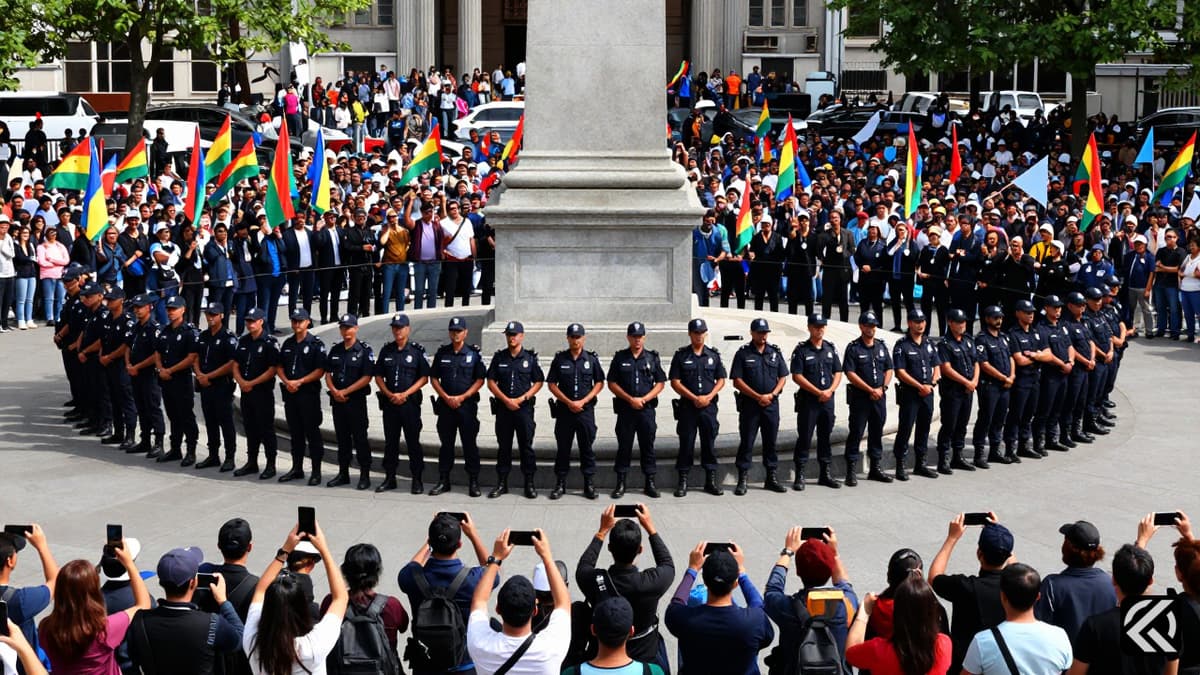
Mass protests erupt in Mumbai and Delhi against Election Commission irregularities, with activists detained and calls for CEC Gyanesh Kumar to step down.
In a significant display of dissent, thousands of citizens converged on key locations in Mumbai and Delhi on Friday, October 2, 2026, to protest alleged irregularities in the Election Commission’s Special Intensive Revision (SIR) exercise. The demonstrations, led by various political parties and civil society groups, demand the immediate resignation of Chief Election Commissioner Gyanesh Kumar. In Mumbai, the Cockroach Janta Party (CJP) and Congress leaders mobilized supporters at Shivaji Park, while in the national capital, activists attempted to breach police barricades surrounding Jantar Mantar. The situation escalated as authorities deployed heavy security, resulting in numerous detentions across both cities.
The trigger for these widespread agitations is the removal of thousands of names from voter rolls, with many citizens reporting that their identities have been erased despite long-term residence. Ashutosh Ranka, co-convener of the Cockroach Janta Party, highlighted individual cases, such as a cab driver whose name was deleted despite his family’s three-generation history in Mumbai. He argued that the current administration functions only because of the Election Commission’s support, questioning who authorized the erosion of the Constitution. The protests are not isolated incidents but part of a broader movement, with AISA national president Neha Bora declaring that previous efforts were merely the beginning of a larger struggle.
The atmosphere in Delhi was tense as the Delhi Police implemented strict prohibitory orders under Section 163 of the BNSS to prevent protesters from reaching the main site at Jantar Mantar. Roads around the area, including Connaught Place, Patel Chowk, and GPO, were heavily barricaded, forcing commuters to seek alternate routes. The traffic advisory issued by the Delhi Traffic Police warned of significant restrictions, urging citizens to avoid the area. Despite these measures, determined activists, including students from the Students Federation of India (SFI) and the Democratic Youth Federation of India (DYFI), attempted to reach the site.
The security response was swift and severe. Hundreds of protesters, including senior leaders and ordinary citizens, were detained by Delhi Police. AISA’s Neha Bora was among those taken into custody, though she later reported being released by fellow protesters. Communist Party of India (Marxist) leaders, including Brinda Karat and M.A. Baby, were also detained and transported in buses. CPI(M) criticized the Election Commission as a "BJP Commission" that needed to be invalidated. The internet was shut down in areas near Jantar Mantar, further complicating coordination. Amit Sharma, a civil engineer, expressed frustration after being blocked, noting that while his family remained on the voter list, he had been removed, citing harassment as his motivation for protesting.
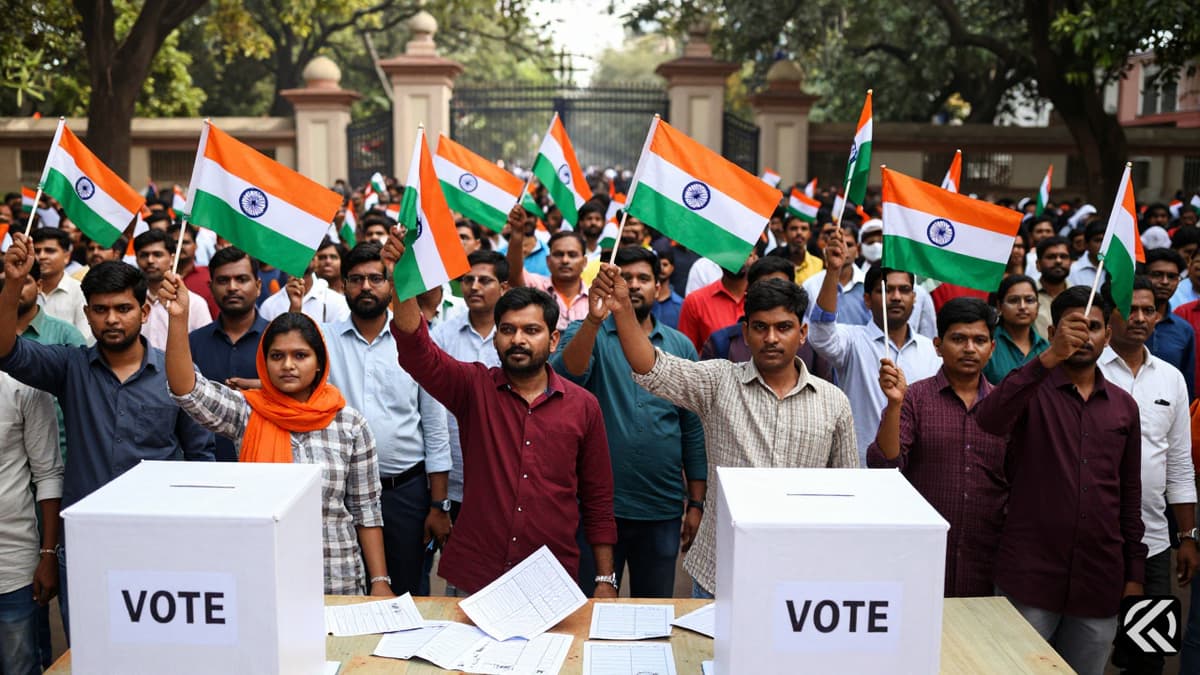
In Mumbai, the scale of the protest was equally impressive. The CJP organized a 'Jail Bharo' protest at Shivaji Park, calling on citizens to fill jails to highlight their grievance. The crowd gathered outside the park gates, waving tricolors and singing patriotic songs like Rang De Basanti. The energy was defiant, with slogans chanting "Gyanesh, it’s done, bro." Police maintained a heavy presence, with surveillance vans and emergency response teams stationed nearby. Despite police denying permission for the march to proceed, protesters sat firmly outside the gates, refusing to disperse. The protest drew support from diverse groups, including veteran actor Shabana Azmi, who emphasized that voting is a constitutional right that cannot be taken away without resistance.
Leading politicians and civil rights activists have united in condemning the current electoral administration. Maharashtra Congress president Harshvardhan Sapkal, visiting Mani Bhavan on Gandhi Jayanti, extended his party’s full support to the protesters. He alleged that the electoral system had been compromised and insisted that not only must Gyanesh Kumar resign, but the "main conspirators" behind the alleged irregularities must also step down. This sentiment was echoed by AISA’s Neha Bora, who challenged the authorities, stating that thousands of police officers were working to protect one man who must be removed from office.
The Cockroach Janta Party leader Abhijeet Dipke provided a sharp political critique, suggesting that the "One Nation One Election" slogan masks a bid for "One Nation One Party." He pointed out that the BJP had won states in recent elections that it had not secured even during the peak of the Modi wave, implying manipulation post-vote deletion. Dipke also dared Maharashtra CM Fadnavis to send the protesters to jail, framing the arrest of dissenters as an admission of governmental incompetence. Meanwhile, Mamata-TMC’s Mahua Moitra extended her support to AISA activist Neha Bora, showing cross-party solidarity against the detention of activists.
The logistical and emotional toll on protesters was evident. With roads blocked and internet access curtailed, many felt trapped and frustrated. Mudita, a student from Krantikari Yuva Sangathan, compared the treatment of protesters to that of terrorists, arguing that denying the right to vote and the right to protest constitutes dictatorship. RJD MP Manoj Jha was among the high-profile figures detained near the site. The involvement of a lawyers’ association from Palghar district, offering free legal assistance to CJP members, indicates a growing legal defense network for the accused protesters.
The protests in Mumbai and Delhi mark a critical juncture in the ongoing debate over electoral integrity in India. The coordinated nature of the demonstrations, spanning multiple political ideologies from CPI(M) and Congress to AISA and CJP, suggests a deepening crisis of confidence in the Election Commission’s impartiality. The aggressive response by law enforcement, including mass detentions and internet shutdowns, has likely fueled further resentment among the populace rather than quelling it.
As Neha Bora announced plans for "Jantar Mantar 2.0," it is clear that the agitation is not winding down. The government’s reliance on prohibitory orders and traffic diversions highlights the difficulty in managing large-scale public dissent. If the Election Commission does not address the specific grievances regarding voter list deletions and the SIR process, the pressure on CEC Gyanesh Kumar will only intensify. The potential for prolonged unrest remains high, with protesters citing constitutional violations as their primary motivator. The long-term impact could see a sustained decline in public trust in electoral institutions, requiring significant political intervention to restore confidence. The coming weeks will be critical, as the promise of continued protests and legal challenges keeps the issue at the forefront of national discourse.
Oct 3, 2026 04:08 UTC
FlyDubai Co-Pilot Banned in Oman Over Extremism Concerns
Oct 3, 2026 00:50 UTC
Israel-Mumbai Campaign Honors Captain Smit After Flydubai Incident
Oct 2, 2026 18:13 UTC
Captain Smit Machchhar’s Courage Saves Flydubai Flight FZ1073 From Disaster
Oct 2, 2026 16:45 UTC
Captain Smit Machchhar Saves Plane Mid-Fall
Oct 3, 2026 06:56 UTC
Supreme Court Hears Cases on Guns, Voting Rights, and Climate