West Bengal, Tamil Nadu, and Kerala head into critical Assembly election phases. Key leaders file nominations, BJP finalizes lists, and law and order debates dominate the campaign trails.
West Bengal Chief Minister Mamata Banerjee filed her nomination papers for the Bhabanipur seat in Kolkata, setting the stage for a high-stakes contest against Suvendu Adhikari. Simultaneously, the Bharatiya Janata Party released its sixth list of candidates, finalizing names like Rakesh Singh for the Kolkata Port seat. These moves occur amidst intensified campaigning for the two-phase West Bengal Legislative Assembly elections 2026, scheduled for April 23 and April 29.
The political landscape is volatile across the region, with the BJP claiming a "wave of change" in Bengal due to law and order concerns and migration fears. In Tamil Nadu, General Secretary Edapaddi K. Palaniswami launched a sharp critique of the ruling DMK government, calling for the leadership to be "thrown out" due to worsening safety conditions. Meanwhile, the southern state of Kerala has officially entered its mandatory silence period, marking the end of high-decibel campaigning before the April 9 vote.
In Kolkata, the filing of nomination papers by CM Banerjee signals a fierce electoral battle. The political atmosphere is charged, particularly with the contest against Suvendu Adhikari in the Bhabanipur constituency. The BJP has been aggressive in its candidate selection, releasing the names of 293 out of 294 candidates for the state. Rakesh Singh has been fielded from the Kolkata Port seat, a strategic move announced by the Central Election Committee. Other notable inclusions in the BJP's list include Taraknath Chatterjee from Krishnanagar Uttar, Anupam Biswas from Kalyani (SC), Saurav Sikdar from Dum Dum Uttar, Anindya Raju Banerjee from Madhyamgram, and Rudraprasad Banerjee from Uluberia Purba.
The party also implemented significant changes to its earlier announced candidates. Kaushik Sidharth will now contest from Basirhat Uttar, replacing Narayan Chandra Mondal. Abhijit Sardar has replaced Viswajit Khan in Bishnupur (SC), and Shankar Sikdar is contesting from Behala Purba in place of Sunil Maharaj. On the ground, BJP candidate Dilip Ghosh actively campaigned in the Kharagpur Sadar Assembly constituency. He argued that a "wave of change" is sweeping the state, citing voter concerns over law and order, migration for work, and alleged anti-national activities by Bangladeshi infiltrators in Murshidabad. Ghosh stated that voters are realizing the BJP is necessary to prevent migration and restore security, declaring, "There is a wave of change in Bengal."
While Bengal focuses on candidate announcements, Tamil Nadu is witnessing a ferocious debate over governance and safety. AIADMK general secretary Edapaddi K. Palaniswami, supported by the PMK, launched a sharp attack on Chief Minister M.K. Stalin during a rally in Chennai's Velachary. Palaniswami claimed that law and order in the state have been at their worst over the last five years of the DMK government. He highlighted the lack of women's safety, stating that even girl children and elderly women are not safe in Chennai and across Tamil Nadu.
Palaniswami contrasted the current situation with his party's tenure, asserting that law and order were well maintained during AIADMK rule. He criticized the DMK for failing to deliver on promises, specifically pointing to a stormwater drainage system that remains incomplete, causing roads in Velachery to flood even after short spells of rain. He alleged that DMK members eat in hotels without paying, leaving traders and shopkeepers living in fear. "This election is one where M.K. Stalin should be thrown out of government," he said, promising a return to stability once his party is back in power.
Conversely, DMK deputy general secretary Kanimozhi Karunanidhi emphasized the importance of the upcoming Tamil Nadu Assembly elections 2026. Speaking in Ranipet alongside Minister R. Gandhi, she asserted that a victory for the DMK-led Secular Progressive Alliance (SPA) would set an example for other states opposing BJP-led Central government policies. She highlighted the need to safeguard the rights of the state and protect the federal structure. Kanimozhi defended the DMK's record, stating that they do not blame others for votes but seek them proudly for fulfilling poll promises made during the 2021 elections.
In Kerala, the campaign has shifted from public rallies to direct voter engagement as the state entered the mandatory silence period on April 7, 2026. With 2.71 crore voters set to exercise their franchise on April 9, candidates and workers are making last-ditch efforts through door-to-door visits. The Election Commission has imposed prohibitory orders in sensitive constituencies to prevent untoward incidents, and polling materials are being distributed. Campaigning through public meetings, rallies, and media interactions is strictly prohibited during this period.
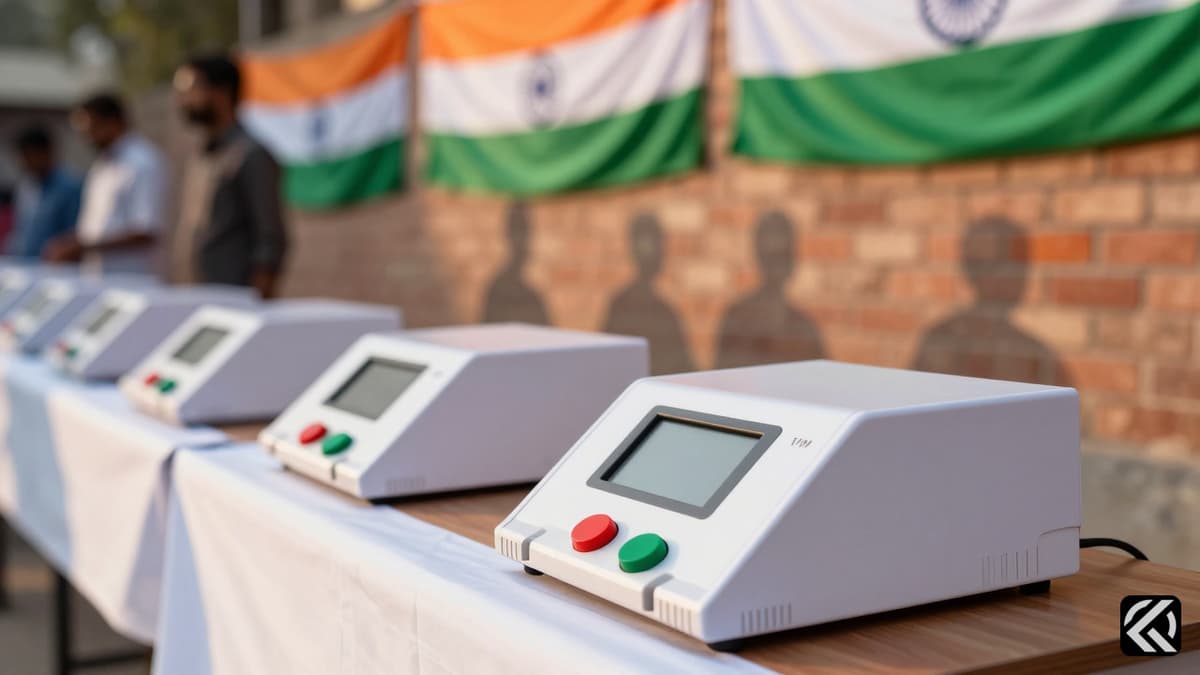
The election process is drawing international attention, with the Election Commission inviting delegates from 23 countries to witness the polls. As many as 43 delegates, including representatives from five foreign missions, will visit Assam, Kerala, and Puducherry in the first phase of the International Election Visitors' Programme-2026. The second phase will cover West Bengal and Tamil Nadu starting April 20. During their visit to the India International Institute of Democracy and Election Management (IIIDEM), delegates participated in a mock poll using Electronic Voting Machines to gain a hands-on experience of the voting process.
Political analysis suggests a historic trend in Kerala, with LDF leaders believing that governance, welfare initiatives, and secular credentials position them for a third term. However, the campaign has not been without incident, with six people injured in violent clashes between LDF and UDF workers during the campaign finale in Kannur. Additionally, concerns regarding the Gulf conflict and its impact on remittances and livelihoods for Keralites are a significant undercurrent in the election discourse.
The Congress party has also entered the fray with strong rhetoric. President Mallikarjun Kharge hit out at Prime Minister Narendra Modi, alleging that the leadership "thrives on politics of hate and division among communities." While launching the party's manifesto, Kharge accused the BJP of wanting to assume power in Bengal based on religious polarization. He argued that voters have recognized the need for a different approach to governance and community harmony. The election results in these states will be closely watched by the BJP-led Central government, as the outcomes in Tamil Nadu, Kerala, and West Bengal could influence the political calculus at the national level.
The convergence of high voter turnout, international observation, and intense local debates over welfare and security suggests that the Kerala Assembly elections 2026 will be a defining moment for the state's political identity. The focus on social indicators, where Kerala leads in HDI and education, alongside the violent clashes in Kannur, indicates that the electorate will be weighing stability against performance. The presence of international delegates and the strict silence period highlight the significance placed on a free and fair process. As the campaign moves from rhetoric to the ballot, the result will likely validate or challenge the narrative of the LDF's "hat-trick" hopes, while simultaneously testing the resilience of the UDF and the influence of Gulf-related economic anxieties on the final vote. The outcome will not just decide state governance but could also serve as a benchmark for how regional parties navigate federal tensions and social welfare delivery in a complex electoral landscape.
Jun 8, 2026 00:51 UTC
Trump Claims Iran Nuclear Deal Imminent Despite Diplomatic Fractures
Jun 8, 2026 00:47 UTC
Iran Fires Missiles at Israel After Beirut Strike
Jun 7, 2026 22:00 UTC
US, Iran Peace Hops Fade 100 Days Into War
Jun 7, 2026 20:57 UTC
Iran Strikes Israel: IRGC Promises Week of Continuous Offensive
Jun 8, 2026 02:28 UTC
Trump Walks Out of Meet the Press After Rejecting Evidence Demands