Section
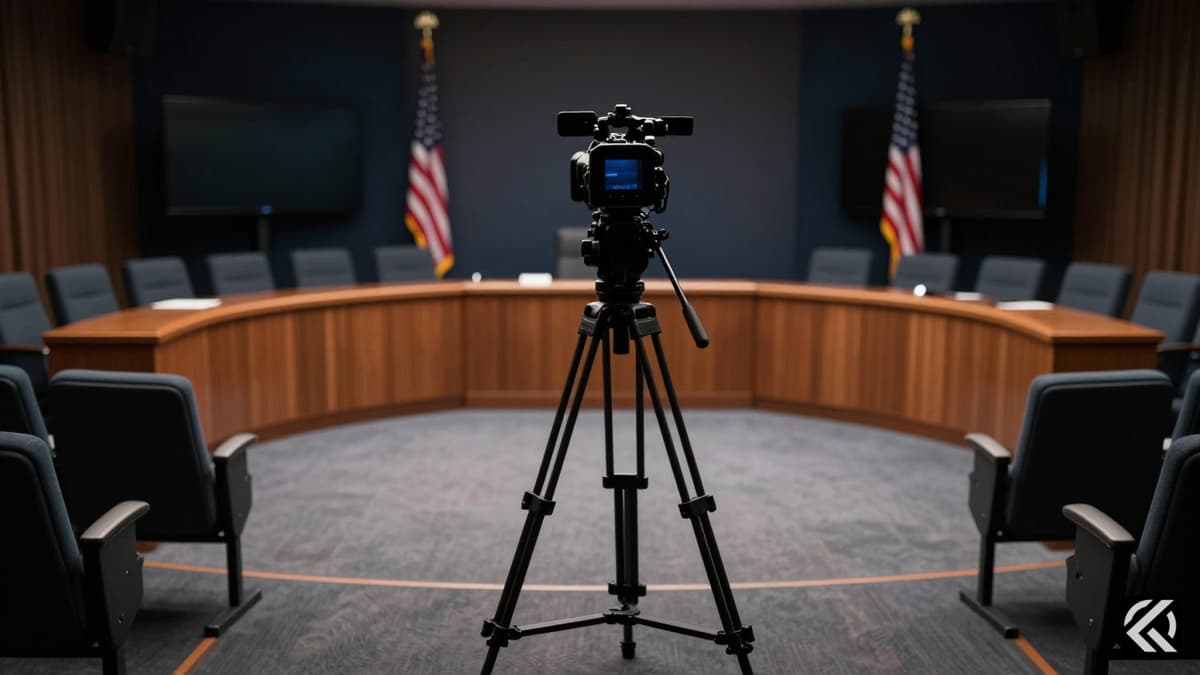
Major U.S. television networks have staged a historic boycott of presidential coverage, refusing to film White House events in solidarity with banned outlets following a controversial White House ban.
The United States witnessed a historic disruption in broadcast journalism on Monday, September 21, 2026, as the nation’s leading television networks orchestrated a coordinated major U.S. networks boycott of presidential coverage. This unprecedented move was staged in direct protest of President Donald Trump’s recent decision to prohibit three prominent news organizations from entering the White House, marking a significant escalation in the administration’s long-standing conflict with the media.
The trigger for this industry-wide revolt was an order issued by President Trump on Friday, September 18, which explicitly barred CNN, MS NOW, and Politico from White House grounds. In response, these three outlets immediately filed lawsuits, challenging the legality of the ban. The situation escalated rapidly when the top five U.S. broadcasters-ABC, CBS, CNN, Fox, and NBC-announced on Monday that they would cease "pool" coverage. Pool coverage is a system where one broadcaster films events on behalf of all others; by refusing to provide this footage, the networks effectively paralyzed the ability of any single outlet to generate new visual content from the White House.
In a joint statement released on Monday, the coalition of broadcasters articulated their stance with stark clarity. They declared, "The public has a vital interest in receiving accurate, independent information about its government. No administration should restrict a news organization because it objects to its reporting." This statement underscored the networks' argument that the restriction was not merely a personnel issue but a fundamental threat to the free flow of information to the American public. The networks framed their inaction as a moral and professional necessity rather than a simple labor dispute.
The immediate consequence of this coordinated halt is a total blackout of television footage regarding President Trump’s activities. Most notably, there will be no White House pool coverage available for his scheduled trip to the United Nations General Assembly in New York on Monday. The President was due to meet with a series of foreign leaders during this diplomatic visit, yet the visual record of these interactions will remain unwritten due to the networks' refusal to film. This absence of visual evidence highlights the tangible impact the boycott has on public knowledge of high-level diplomatic engagements.
The involvement of MS NOW in the initial ban and subsequent lawsuit is particularly notable, given the network's status among the targeted outlets. Alongside CNN and Politico, MS NOW represents a cross-section of modern media outlets that have faced increasing friction with the current administration. The 80-year-old Republican President has been engaged in a years-long assault on the U.S. media, but the scale of this specific incident-resulting in a complete shutdown of major network infrastructure-marks a turning point. The networks' decision to act in unison demonstrates a level of solidarity rarely seen in the fragmented media landscape.
The legal battle initiated by CNN, MS NOW, and Politico adds another layer of complexity to the standoff. While the broadcast networks halted production, the legal teams for the three banned outlets are actively fighting the White House order in court. This dual approach of industrial action and legal challenge suggests that the conflict is far from resolved. The courts will likely have to determine whether the President’s authority to exclude media outlets extends to a blanket ban that impacts the broader broadcasting ecosystem.
Furthermore, the decision to halt coverage of the UN General Assembly trip underscores the global implications of this domestic dispute. International observers and foreign leaders will attend these meetings without the benefit of live American television coverage. This could alter the dynamics of diplomatic communication and the way these meetings are reported globally, as other international media sources may step in, but the primary American visual narrative will be missing.
The broadcast networks’ statement emphasizes the "vital interest" of the public. This phrasing suggests that the networks view themselves as guardians of public trust rather than mere vendors of content. By refusing to participate in the pool system, they are stripping the White House of a controlled visual narrative. Without pool footage, the administration cannot guarantee how its actions are visually represented in the news cycle, thereby weakening a key tool of political communication.
Historically, the U.S. media has maintained a complex relationship with the presidency. However, the explicit threat of litigation combined with the coordinated refusal to work represents a new intensity. The fact that Fox News, often considered more sympathetic to conservative politics, joined the boycott alongside CNN and ABC suggests that the issue transcends typical partisan divides regarding media regulation. The networks are united by a professional consensus that restricting access based on editorial content is unacceptable.
The boycott also impacts the logistical machinery of White House journalism. The pool system is designed to ensure equitable access for all members of the press. By breaking this system, the networks have forced a reevaluation of how the White House operates when faced with a unified media front. The administration may attempt to bypass the networks by using smaller, allied media outlets, but the absence of the major broadcasters significantly reduces the reach and impact of any alternative coverage.
As the legal challenges proceed, the pressure on the White House to reverse the ban or justify it in court will intensify. The public's reaction to the blackout of presidential coverage will be a critical factor in the broader narrative of this conflict. If the public perceives the ban as a censorship effort rather than a security or administrative decision, the political cost to the administration could be substantial. The networks have positioned themselves not just as protesters, but as defenders of a democratic principle, which may garner public sympathy.
The timeline of events is tight. With the UN trip occurring on the very day the boycott began, the immediate shock value of the situation is high. The lack of visual evidence from New York will force news organizations to rely on still photography, audio, or official statements, which are less engaging for television audiences. This deprivation of content demonstrates the power of the networks to control the flow of information, even when the subject of the reporting is the President of the United States.
The involvement of President Trump, who is 80 years old and deeply entrenched in his long campaign against the media, adds a personal dimension to the conflict. His previous actions against the media have been documented, but this latest step represents a direct confrontation with the entire broadcasting industry. The networks’ refusal to back down indicates that they believe the stakes of this particular ban warrant an all-or-nothing response.
Looking at the broader context, this event reflects the growing polarization between the executive branch and the press. The networks are essentially drawing a line in the sand, asserting that their professional standards and the public’s right to know outweigh the President’s desire to control the narrative. This standoff will likely serve as a precedent for future conflicts between the press and the administration, defining the boundaries of media access in the current political climate.
The coordinated major U.S. networks boycott by ABC, CBS, CNN, Fox, and NBC, triggered by President Trump’s ban on CNN, MS NOW, and Politico, signals a profound shift in media-government relations. By halting pool coverage and initiating legal challenges, the media has asserted its leverage over the visual narrative of the presidency. The lack of coverage for the UN General Assembly trip demonstrates the immediate power of this action. If the courts do not swiftly overturn the ban, this could lead to a long-term restructuring of White House press protocols, potentially forcing administrations to negotiate media access rather than dictate it unilaterally, setting a new precedent for press freedom in the digital age.
Oct 3, 2026 04:08 UTC
FlyDubai Co-Pilot Banned in Oman Over Extremism Concerns
Oct 3, 2026 00:50 UTC
Israel-Mumbai Campaign Honors Captain Smit After Flydubai Incident
Oct 2, 2026 18:13 UTC
Captain Smit Machchhar’s Courage Saves Flydubai Flight FZ1073 From Disaster
Oct 2, 2026 16:45 UTC
Captain Smit Machchhar Saves Plane Mid-Fall
Oct 3, 2026 06:56 UTC
Supreme Court Hears Cases on Guns, Voting Rights, and Climate