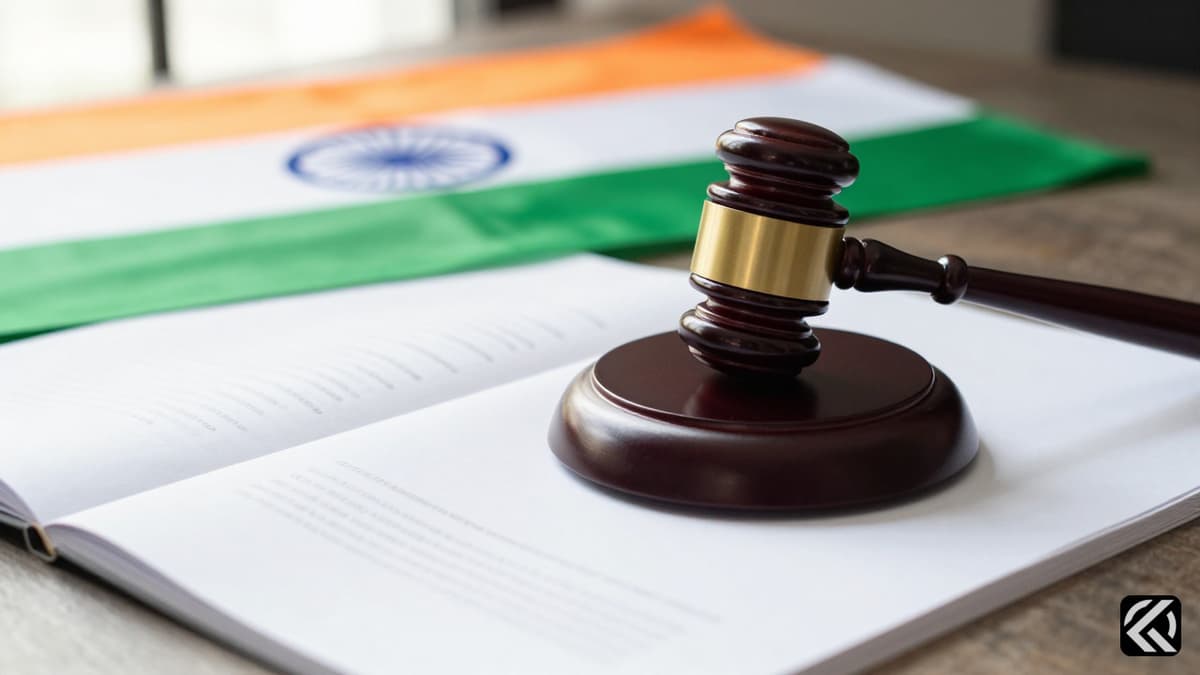
On April 16, 2026, prominent political figures in Kerala launched a sharp critique against the government, labeling specific clauses in a new legislative proposal as a fundamental threat to democratic principles.
In a decisive display of political resistance on Thursday, April 16, 2026, a coalition of opposition figures from Kerala voiced strong objections to the proposed legislative changes. These Kerala opposition leaders explicitly described the delimitation provisions included within the Women's Reservation (Amendment) Bill as a severe threat to the democratic fabric of the country. The gathering marked a significant moment of dissent regarding the government's approach to implementing gender quota policies in the legislature.
The core of the disagreement lies in the specific structure of the bill being introduced in Parliament later. While the opposition is not against the principle of reserving seats for women, they have drawn a hard line at the inclusion of delimitation clauses under the same legislative umbrella. The leaders argued that bundling these two distinct issues together undermines the transparency and fairness required for such a significant constitutional amendment. They termed the inclusion of these provisions as an "attack on democracy," suggesting that the political maneuvering behind the bill compromises the democratic process itself.
Prominent voices in this coalition included Congress general secretary K.C. Venugopal, UDF MP N.K. Premachandran, and CPI leader Annie Raja. Their joint statement clarified that their stance is not one of opposition to women's empowerment in the legislature. Instead, it is a specific objection to the mechanics of how the bill is being structured. They asserted that while they are fully in favour of reservation for women within the current strength of the Parliament, they categorically will not accept the delimitation provisions being "brought under its garb." This distinction highlights a strategic political position where the goal is to secure gender representation without altering the demographic representation ratios through delimitation at this specific juncture.
The timeline of this event places the objections squarely on April 16, 2026, as the leaders reiterated their stance immediately before the bill's anticipated introduction. By using the phrase "brought under its garb," the leaders suggest that the delimitation provisions are being hidden or justified by the otherwise popular cause of women's reservation. This rhetorical strategy indicates a fear that the passage of the entire bill could be driven by the momentum of the reservation aspect, potentially bypassing necessary scrutiny of the delimitation clauses which the opposition views as problematic.
The involvement of leaders from different political spectrums, including the Congress party, the UDF coalition, and the CPI, underscores the breadth of the concern within Kerala's political landscape. It suggests that the issue transcends simple partisan politics and touches on broader principles of how legislative reforms are enacted. The repetition of their objections on this specific Thursday indicates a coordinated effort to ensure that the delimitation provisions are not passed without a thorough public and parliamentary debate.
The opposition's stance creates a potential friction point in the upcoming parliamentary session. As the Women's Reservation (Amendment) Bill moves toward its formal introduction, the unified front led by these Kerala opposition leaders signals a significant hurdle. Their position is clear: the separation of the two issues is a matter of democratic integrity. By refusing to accept the provisions "under its garb," they are demanding a clear distinction in the legislative process, ensuring that the delimitation clauses are not treated as an inseparable condition for securing women's seats.
The implications of this standoff are significant for the legislative agenda. If the delimitation provisions are viewed as an "attack on democracy" by such a vocal and organized group, it may force the government to reconsider the bill's structure or face prolonged delays. The insistence on supporting reservation for the current strength of Parliament suggests a willingness to compromise on the reservation aspect alone, provided the delimitation issue is addressed separately or removed. This approach seeks to isolate the controversial elements while advancing the broader goal of women's representation.
As the parliamentary session approaches, the focus will remain on whether the government can navigate these objections. The leaders have made their position on the delimitation provisions unequivocally clear: they will not support a bill that combines these measures with women's reservation in the manner currently proposed. The coming days will test whether this unified opposition can halt or alter the legislative trajectory, making this a critical period for the future of the bill and the principles it aims to uphold.
The unified stance of the Kerala opposition indicates a strategic pivot where the core principle of women's representation is defended against the specific mechanics of delimitation. This separation of issues suggests that future parliamentary debates may see the Women's Reservation (Amendment) Bill either delayed or restructured to isolate the delimitation clauses. If the government fails to address these concerns, the continued characterization of the provisions as an "attack on democracy" could galvanize further resistance across other political fronts. The immediate future likely involves intense negotiations or public discourse aimed at disentangling the reservation for women from the contentious delimitation provisions, ensuring that the legislative process adheres to the democratic standards the opposition claims are under threat.
Jun 8, 2026 02:17 UTC
Magnitude 7.8 Quake Shakes Philippines, Urging Immediate Evacuations
Jun 8, 2026 00:51 UTC
Trump Claims Iran Nuclear Deal Imminent Despite Diplomatic Fractures
Jun 8, 2026 00:47 UTC
Iran Fires Missiles at Israel After Beirut Strike
Jun 7, 2026 22:00 UTC
US, Iran Peace Hops Fade 100 Days Into War
Jun 8, 2026 04:15 UTC
Trump Urges Netanyahu to Halt Iran Strike for Peace