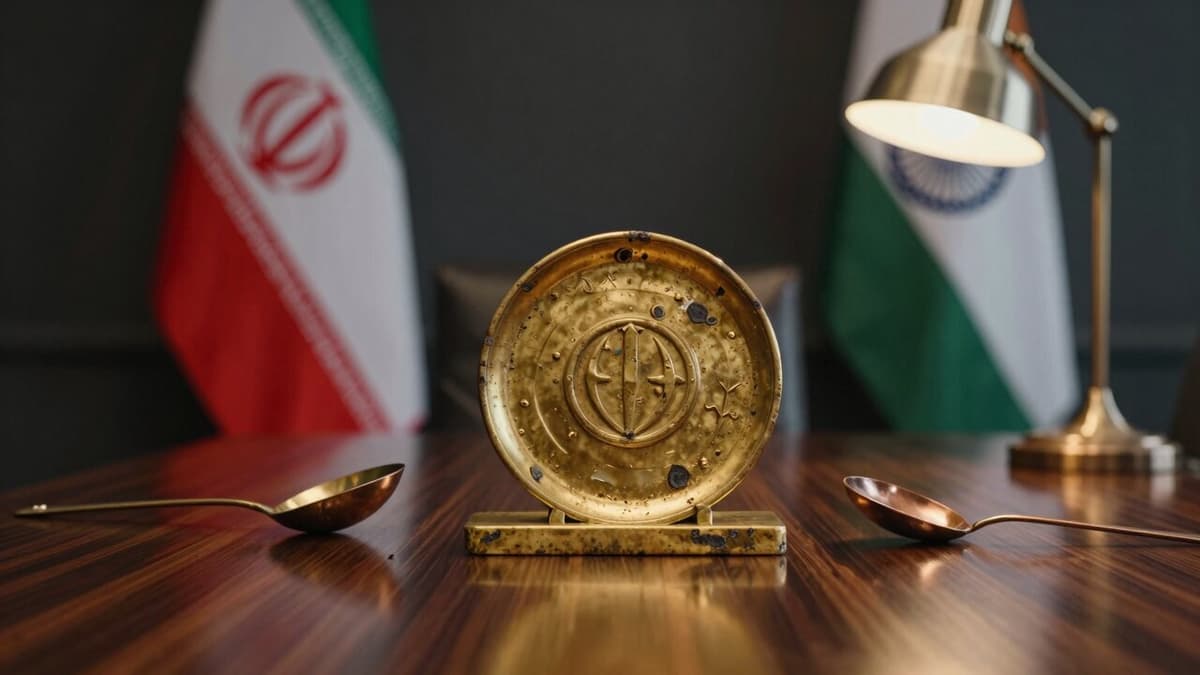
Kashmiri residents donate gold, cash, and utensils to Iran relief fund amid the Iran-Israel war, as PM Modi urges de-escalation and diplomacy.
Weeks after the United States and Israel launched military strikes against Iranian forces, a humanitarian response has emerged from the Kashmir valley. Residents in the region are actively contributing to a relief fund for Iran, driven by the ongoing Iran-Israel war.
Following Eid celebrations, young volunteers in Shia-majority areas of the valley went door-to-door to collect donations. The Iranian Embassy in India, which recently shared bank details for the relief effort, posted video evidence of the influx of aid. These Kashmiri donations include gold jewelry, copper utensils, and even livestock, with women making particularly generous contributions.
On Monday, Prime Minister Narendra Modi addressed the Indian Parliament regarding the conflict in West Asia. He emphasized India's diplomatic role, stating that he has personally spoken to regional leaders to urge de-escalation and an end to the fighting. Modi condemned attacks on civilians and critical infrastructure, highlighting the threat to global food and energy security.
The Prime Minister's engagement with regional leadership extends beyond domestic addresses. On Saturday, PM Modi held a telephonic conversation with Iranian President Masoud Pezeshkian. This marked the second exchange between the two leaders since tensions flared on February 28, following the coordinated strikes by the US and Israel.
During the call, President Pezeshkian urged the India-led BRICS grouping to take an independent stance to halt aggressions in Tehran. He highlighted the severity of the attacks, describing them as unlawful and crimes committed by the US and the Zionist regime, while clarifying that Tehran did not initiate the conflict.
PM Modi used the conversation to wish the Iranian President well for both the Nowruz and Eid al-Fitr celebrations. He expressed deep concern over the escalating tensions in the Middle East. The Prime Minister reiterated India's condemnation of attacks on energy infrastructure, noting the serious risks these pose to global markets. He further stressed the critical need to safeguard the Strait of Hormuz and ensure unhindered maritime movement across the Persian Gulf.
Prior to this call, PM Modi had already engaged with leaders from the United Arab Emirates, Bahrain, Qatar, and Kuwait. These diplomatic efforts underscore India's focus on stabilizing the region through dialogue rather than military intervention.
The relief drive in Kashmir appears to be deeply rooted in the local community's demographics. Officials reported that the contributions are being gathered primarily in Budgam and Baramulla, districts with significant Shia populations. The scale of the operation involves men, women, and children from all walks of life participating in the collection efforts.
The donated items are diverse, reflecting the personal sacrifices made by the residents. Beyond cash, the relief fund has received gold mementos, including a significant donation from a Kashmiri woman of a gold item belonging to her late husband, who passed away 28 years ago. Copper utensils and other valuable household items have also been collected, alongside livestock from several families.
In recognition of this outpouring of support, the Iranian Embassy in India released social media posts on the X platform. The embassy expressed its sincere thanks to the people of Kashmir for their humanitarian support and heartfelt solidarity. A post from the embassy stated, "With hearts full of gratitude, we sincerely thank the kind people of Kashmir for standing with the people of Iran through their humanitarian support and heartfelt solidarity; this kindness will never be forgotten."
The logistics of the aid distribution are being managed through authorized channels. Officials have indicated that the collected contributions will likely be routed through relief agencies, including the Iranian Embassy itself, to ensure that the resources reach those affected by the war. This coordination aims to bridge the gap between the donors in Kashmir and the victims in Iran during this period of renewed military confrontation.
The timeline of events highlights a rapid response from the Kashmiri public. The donations began flowing shortly after the Iranian Embassy posted bank account details on its social media platforms nearly a week ago. The surge in activity coincided with the one-year mark of the US-Israel strikes on Iranian military and naval forces.
The convergence of grassroots humanitarian efforts and high-level diplomatic talks illustrates a complex dynamic in the unfolding Iran-Israel war. The substantial Kashmiri donations demonstrate a localized, community-driven response to a regional crisis, signaling strong cultural and religious ties between the Shia populations in Kashmir and Iran. Simultaneously, the diplomatic maneuvering by PM Modi reflects India's strategic effort to maintain a balanced position, advocating for the de-escalation of hostilities while protecting global economic interests through the stabilization of key maritime routes.
Looking ahead, the success of these relief efforts in mitigating immediate suffering will likely depend on the continued cooperation between local Kashmiri organizers and international relief agencies. The diplomatic channel established by PM Modi, which has already seen multiple conversations with regional leaders, suggests that India will continue to play a pivotal role in facilitating dialogue. As the conflict persists, the ability of the global community to separate humanitarian aid from political rhetoric may become increasingly critical in preventing further escalation. The ongoing focus on safeguarding the Strait of Hormuz indicates that energy security remains a primary driver for international actors, potentially shaping future diplomatic outcomes and relief distribution strategies in the region.
May 7, 2026 13:16 UTC
Rubio Meets Pope as Iran Weighs US War Proposal
Join 50,000+ readers getting the global briefing every morning.
No spam. Unsubscribe anytime.
May 7, 2026 11:58 UTC
Operation Sindoor: One Year Since Pahalgam Attack and Military Response
May 7, 2026 11:10 UTC
Iran War Forces Strait of Hormuz Control Amid Oil Price Volatility
May 7, 2026 09:44 UTC
Suvendu Adhikari's Aide Shot Dead in West Bengal Election Violence
May 7, 2026 07:45 UTC
Tamil Nadu Assembly Election: TVK Chief Minister Race Intensifies


