Section
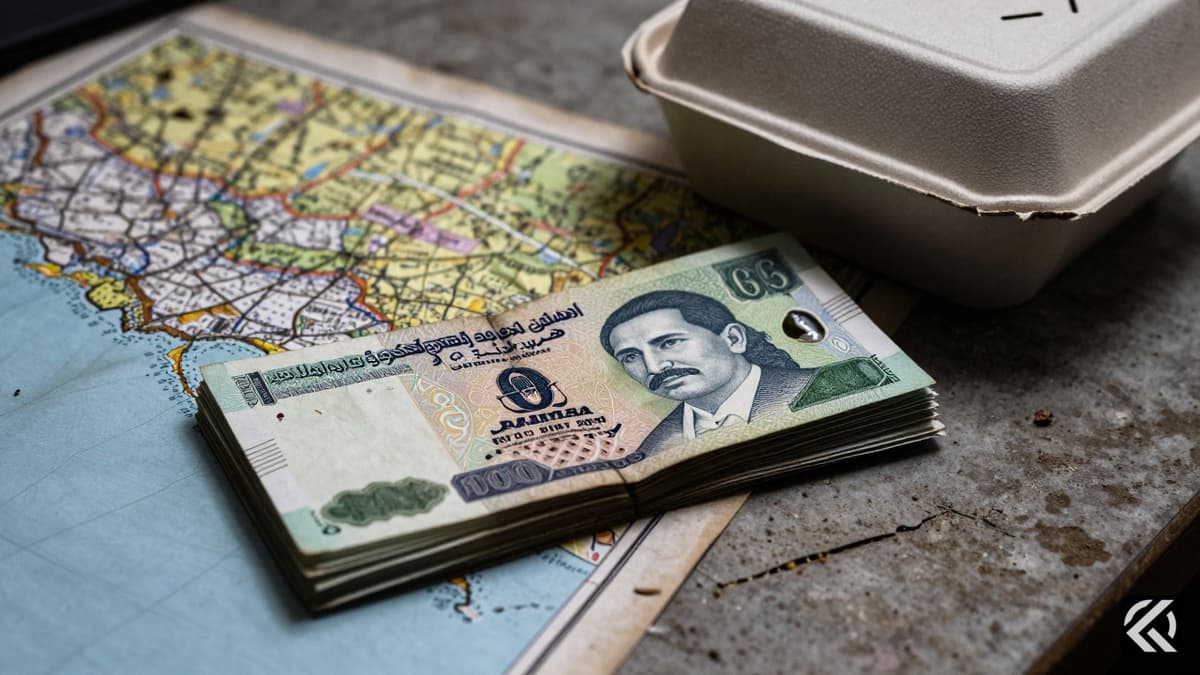
Iranians face ruin as hyperinflation and war destroy purchasing power, leaving pensions worthless and businesses shuttered by blackouts and bans.
Tehran, Iran - As the Iran-Israel war continues to devastate the nation, everyday Iranians are grappling with an unprecedented economic collapse. The convergence of US airstrikes, systemic sanctions, and domestic mismanagement has created a crisis where basic survival is a daily struggle for millions.
The human toll of this financial devastation is starkly illustrated by Leyla, a pensioner in western Tehran, who finds supermarket visits increasingly unbearable. Each trip brings unpleasant surprises as she compares prices to just weeks or months prior. A mere tub of ice cream and yoghurt now costs approximately 10 million rials, or just over $5. This expenditure is staggering given her monthly pension of 180 million rials ($94), which represents a government-approved 40 percent increase that still fails to cover essential needs.
The broader economic landscape reflects a similar trajectory of decline. Annual Iran inflation recently hit nearly 90 percent, with food inflation soaring to 134 percent compared to the previous year. The national currency has hit a new all-time low, hovering around 1.9 million rials against the US dollar. This hyperinflation is compounded by structural issues, including collapsed purchasing power, unaffordable medicine, and destroyed infrastructure resulting from the conflict that began in February, following a previous 12-day war.
Housing markets remain volatile despite official interventions. Masoud, a young resident of the capital, negotiated a rent increase of just under 50 percent this year. While the government decreed a legal cap of 27 percent for Tehran landlords, these figures often serve as a floor rather than a ceiling. Tenants protesting excessive hikes face chaotic dispute-resolution councils, forcing many to seek cheaper, distant accommodations or face eviction.
Government support mechanisms are largely ineffective. While monthly cash subsidies and electronic coupons are provided for food purchases, they equal only a few dollars. Local media reports indicate that many shops refuse these coupons because the government has not compensated them. Additionally, loan allocations to businesses are slow, and arrears relief is minimal, leaving individuals and enterprises reeling from banking disruptions caused by major cyberattacks last month.
The conflict has also inflicted severe physical damage. Both during January’s protests and the current war, the US and Israel systematically bombed civilian targets, including ports, airports, bridges, oil facilities, power stations, and water infrastructure. Damage estimates run into the hundreds of billions of dollars, with a naval blockade further isolating southern ports. These attacks have triggered electricity blackouts, exacerbating water shortages as pumps fail during summer temperatures surpassing 40 degrees Celsius.
Social and cultural life is similarly constrained. Authorities recently closed numerous cafes and shops in central Tehran under vague pretexts, stifling public socialization. In the artsy Sanaei and Iranshahr streets, owners were shut down for allegedly blocking pavements or not conforming to "Islamic norms." These closures have happened in waves, nipping any remaining vibrancy in the bud.
Media suppression is also intensifying. Adel Ferdosipour, Iran’s renowned football commentator, was left in tears after the website and application for his popular "Football 360" were erased by authorities. This action followed his criticism of Team Melli’s performance at the World Cup. In a viral clip, he asked, “Why don’t you let people work in this country? How is this possible?” He criticized the authorities’ low tolerance, stating, “You have all the media and resources, but you’re so small that you can’t even tolerate a website and an application.”
The digital landscape has also suffered. During both the January protests and the current war, the Islamic Republic cut off global internet access. The second shutdown lasted three months, becoming the longest ever recorded in any country. Although some access was restored in late May, Iran’s internet remains one of the slowest and most heavily filtered globally.
Experts note that unemployment insurance misses most informal and digital workers, despite a surge in applications. The country is struggling to recover from deadly protests in January and two wars in less than a year. With no signs of the conflict abating and economic indicators worsening, the structural problems exacerbated by Western sanctions and local mismanagement threaten to deepen the crisis.
The convergence of war damage, hyperinflation, and strict digital and economic controls indicates a prolonged period of instability for Iran. With the Iran economy unable to stabilize despite minor subsidies, and the currency continuing to depreciate, citizens face a future where essential goods remain unaffordable. Unless the geopolitical tensions ease and infrastructure repairs are prioritized, the structural damage to both the physical and digital economy will likely persist, further isolating the population and deepening the humanitarian crisis already visible in the daily struggles of residents like Leyla and Masoud.
Aug 17, 2026 14:29 UTC
USS Abraham Lincoln Crew Faces Mental Health Crisis During Extended Deployment
Aug 17, 2026 04:30 UTC
Trump Reduces Joint Military Exercises With South Korea
Aug 17, 2026 02:52 UTC
Kushner Meets Hamas in Egypt Over Rejected Gaza Ceasefire Plan
Aug 16, 2026 20:37 UTC
Kushner Mediates Gaza Ceasefire Amidst Escalating US-Iran Conflicts
Aug 18, 2026 00:00 UTC
Trump’s False Claims on South Korea Defense Payments Disputed