Section
Global markets surge and leaders worldwide welcome a historic diplomatic breakthrough as the US and Iran agree to a 60-day ceasefire to end the prolonged conflict.
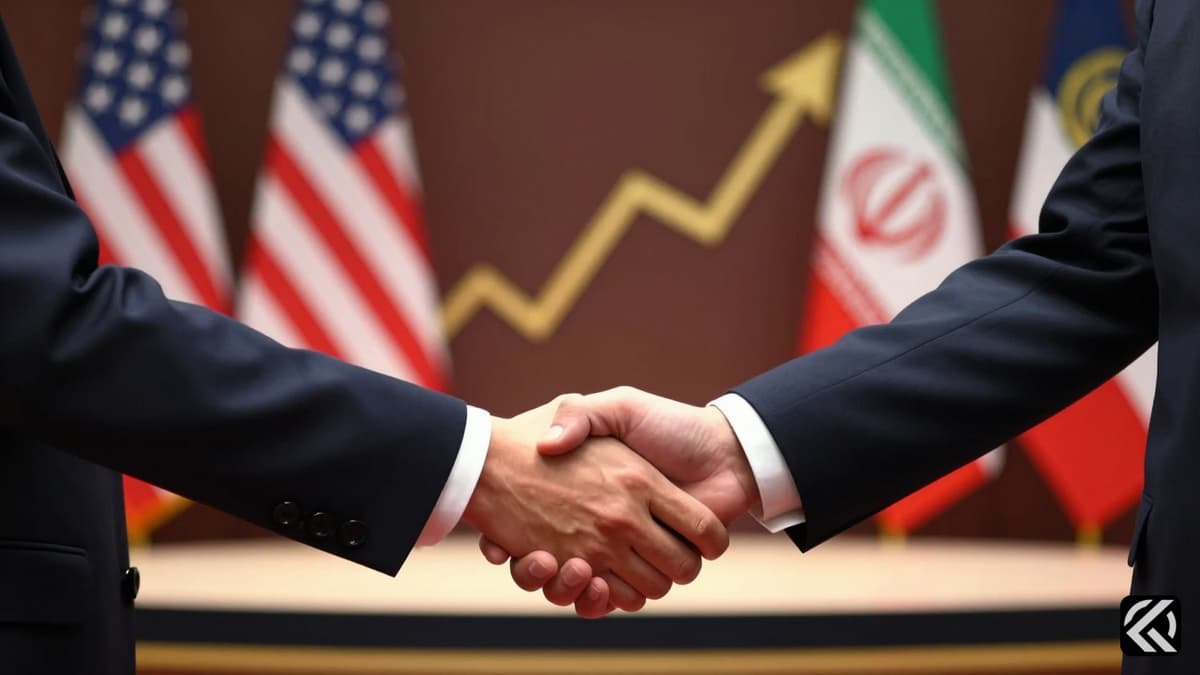
World leaders have welcomed a monumental announcement that Iran and the United States have reached a tentative deal to end the end of US-Israel war on Iran, a conflict that included significant Israeli attacks on Lebanon. The agreement expresses widespread hope for a potential path to a lasting end to the prolonged hostilities.
US President Donald Trump took to his Truth Social platform on Sunday to confirm the completion of the agreement. “The deal with the Islamic Republic of Iran is now complete,” Trump stated, adding a directive to the global energy sector: “Ships of the world, start your engines. Let the oil flow!” This declaration signaled immediate market implications, as financial indices responded swiftly to the news.
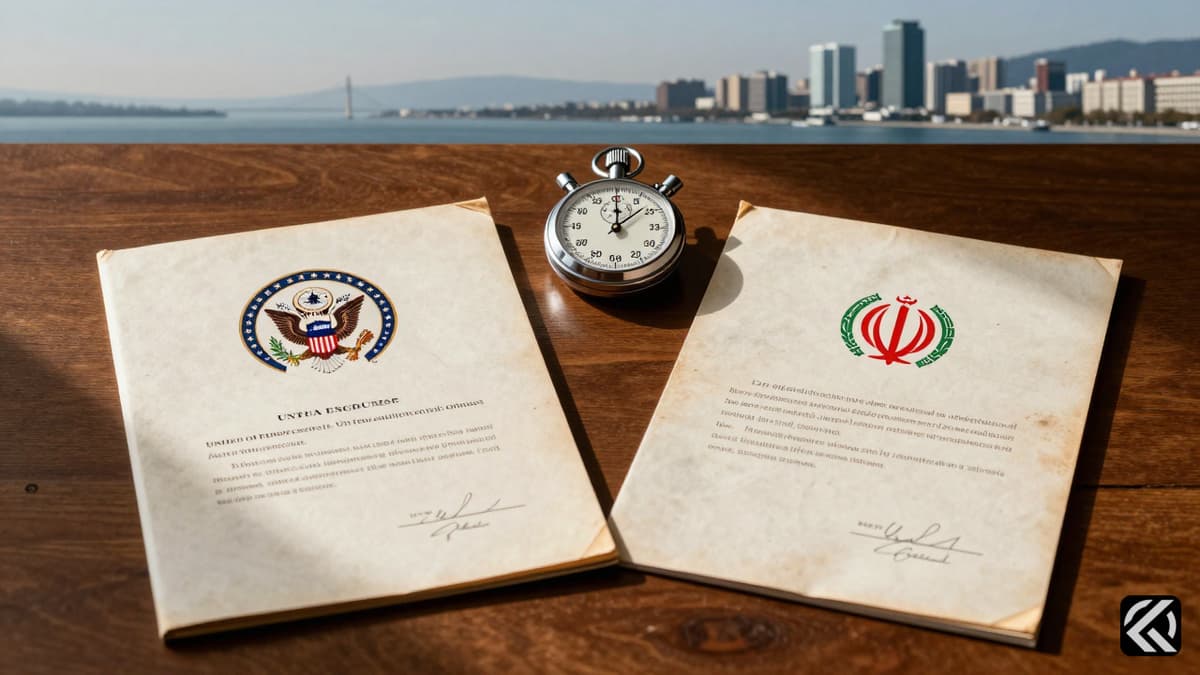
Kazem Gharibabadi, Iran’s deputy foreign minister, clarified that the current framework serves as a preliminary step. He noted that a broader deal covering sanctions relief for Iran would be negotiated during a 60-day ceasefire period. Pakistani Prime Minister Shehbaz Sharif confirmed that the accord is scheduled to be signed on Friday in Switzerland. Sharif described the development as a major breakthrough after months of fighting that resulted in thousands of deaths and sent global energy prices soaring.
The international community has responded with a mix of relief, caution, and strategic positioning. Qatar’s Ministry of Foreign Affairs expressed appreciation for the determination of both sides to resolve differences through peaceful negotiations. Minister of State Mohammad bin Abdulaziz Al-Khulaifi hoped the deal would serve as a catalyst for broader stability efforts through constructive engagement.
Pakistan’s Prime Minister Shehbaz Sharif congratulated both Washington and Tehran, thanking Qatar, Saudi Arabia, and Turkiye for their mediation roles. China commended the agreement and specifically appreciated Pakistan’s mediation efforts. Turkey’s President Recep Tayyip Erdogan welcomed the deal as a significant step for regional peace, pledging support for diplomatic solutions.
However, reactions from regional actors involved in the conflict have been more complex. Israel’s Defence Minister Israel Katz asserted that his country will not withdraw from occupied land in Lebanon, citing the lessons of October 7. Katz warned that Israel would strike Iran with “great force” if Tehran attacked over Israeli strikes in Lebanon. Meanwhile, Finance Minister Bezalel Smotrich condemned the agreement as harmful to Israel and the free world, insisting that the campaign to weaken Iran’s regime must continue independently.
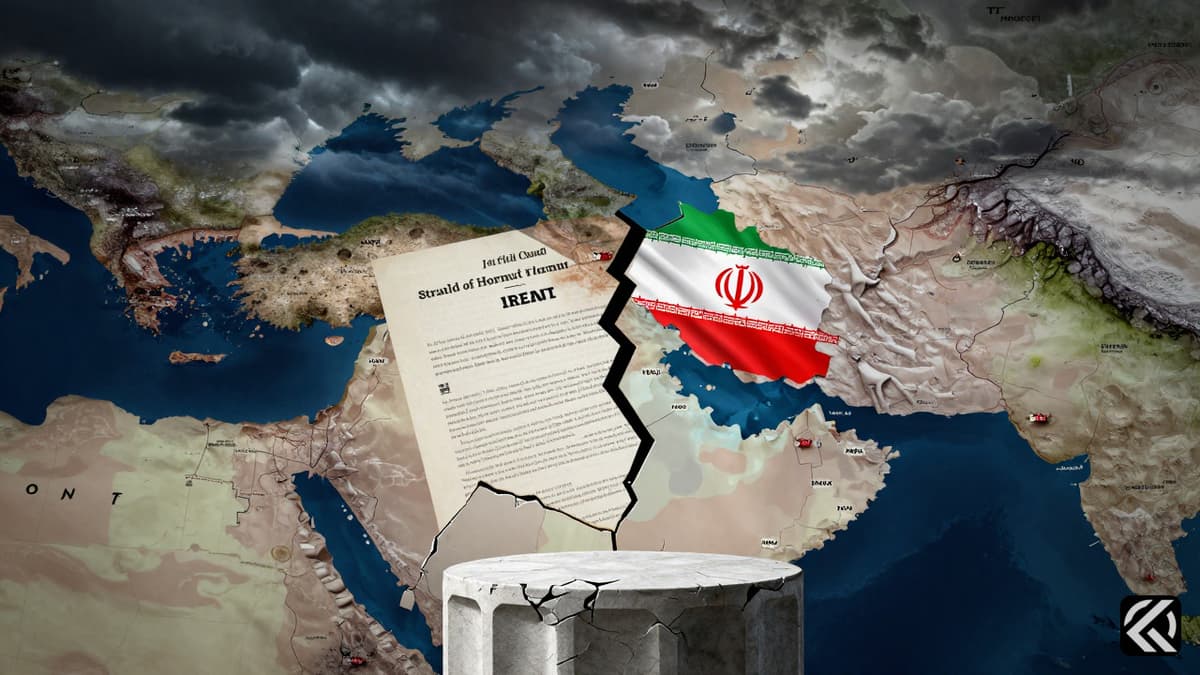
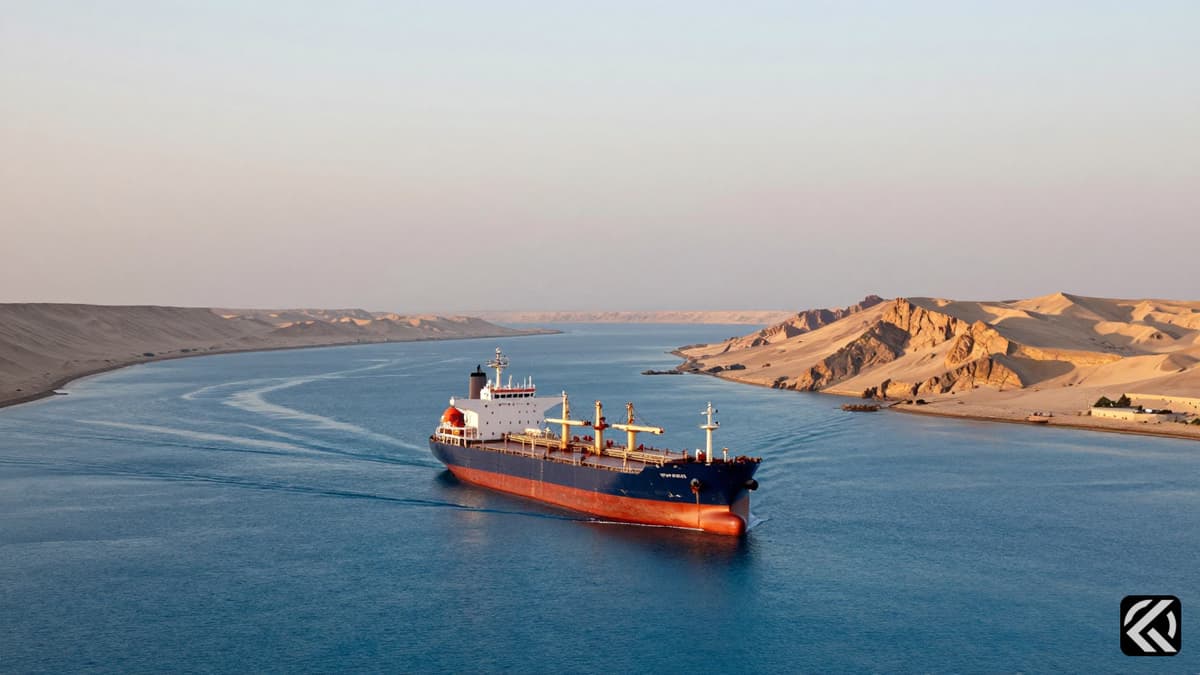
The focus has rapidly shifted to the economic implications of the Strait of Hormuz reopening. European Commission President Ursula von der Leyen emphasized the priority of swift implementation and the restoration of toll-free freedom of navigation. She noted this is essential for regional stability and the global economy, opening doors to broader peace negotiations.
UK Prime Minister Keir Starmer called the deal a “hugely important” step, reiterating the UK’s firm position that Iran must never possess a nuclear weapon. He offered support for mine clearance operations if needed. French President Emmanuel Macron demanded the urgent and unconditional reopening of the Strait, stating that unrestricted maritime traffic is indispensable for global economic health. Macron also voiced support for Lebanese authorities to restore state sovereignty.
German Chancellor Friedrich Merz welcomed the deal, suggesting it could pave the way for a reinvigorated global economy and a more secure Middle East, provided it is implemented with determination. Canadian Prime Minister Mark Carney emphasized that any durable ceasefire must ensure safe transit through the Strait and address the nuclear threat. Austrian Chancellor Christian Stocker echoed these sentiments, calling for the permanent opening of the Strait in accordance with international law.
The United Nations Secretary-General Antonio Guterres praised the deal as a critical step toward peaceful settlement. The UAE stressed the need for full compliance with an immediate halt to all hostile actions, praising Trump’s diplomatic leadership. Kuwait offered a warm welcome to the memorandum, commending the bridging of viewpoints by Pakistan and Qatar. Bangladesh expressed hope that the agreement would be implemented in good faith to prove durable and sustainable.
The immediate aftermath of the announcement has been characterized by significant volatility in energy markets followed by stabilization, as the promise of the Strait of Hormuz reopening alleviated fears of supply chain disruptions. Stock markets across major global hubs soared on the news, while oil prices fell, reflecting the market's belief in the potential for a sustained de-escalation. The 60-day ceasefire period, set to begin with the signing in Switzerland, serves as a critical testing ground for the durability of this new diplomatic posture.
Predictions based on the source material suggest that the coming weeks will be defined by intense negotiation regarding sanctions relief and nuclear program verification. While the initial market reaction indicates confidence, the firm stance of Israeli officials and the conditional support from Western leaders highlight the fragile nature of the peace. The long-term impact will likely depend on whether the broader deal can successfully integrate Iranian sanctions relief with verifiable security guarantees. If the framework holds, it could fundamentally reshape Middle Eastern geopolitics, shifting focus from military confrontation to diplomatic engagement and economic integration. However, the explicit warnings from Israeli ministers suggest that the ground war's legacy will linger, potentially complicating the path to a fully verified and lasting peace. The world now waits to see if the diplomatic "catalyst" promised by Qari leaders can successfully override the entrenched security concerns of regional powers.
Jun 17, 2026 00:58 UTC
US-Iran 60-Day Challenge: Peace Deal Leaves Nuclear Details Pending
Jun 16, 2026 22:51 UTC
G7 Summit: Modi Warns of Hormuz Risks, Trump Pushes Russian Sanctions
Jun 16, 2026 18:58 UTC
G7 Leaders Intensify Pressure on Russia with New Sanctions
Jun 16, 2026 18:36 UTC
Trump Claims US-Iran Agreement Opens Strait of Hormuz Without Tolls
Jun 17, 2026 06:48 UTC
US Proposal Brings Financial Hope to Iran Peace Talks