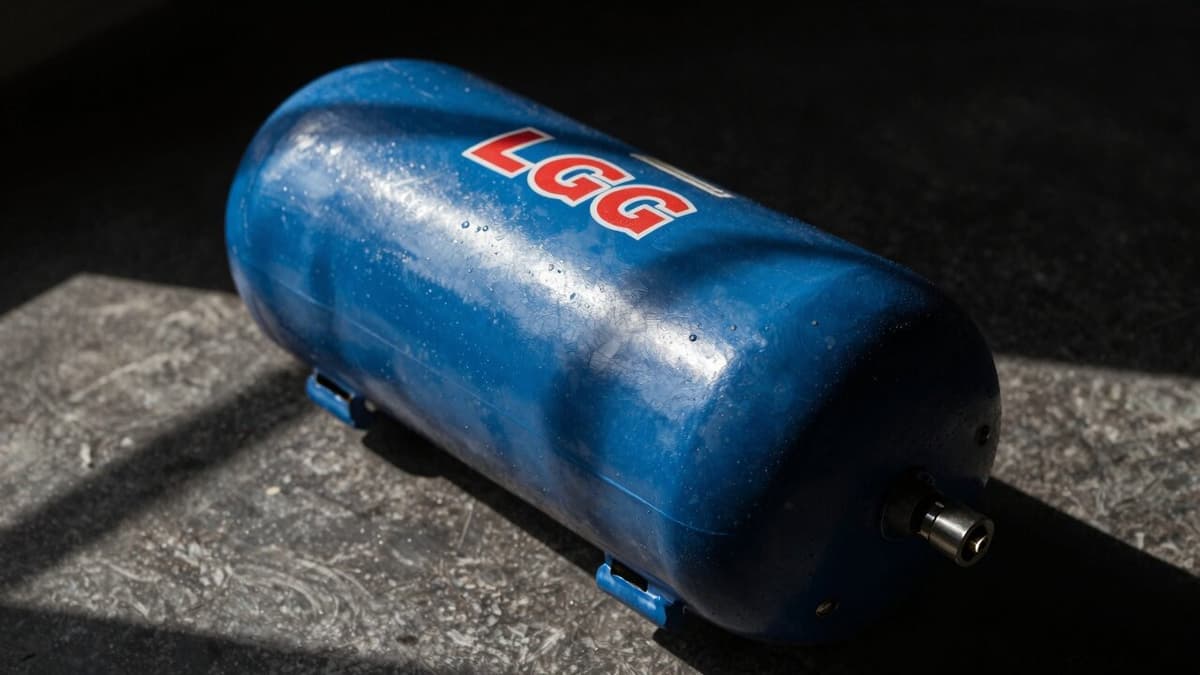
Facing dwindling stocks due to the Iran war, Indian OMCs consider reducing LPG cylinder refills to 10kg in standard 14.2kg containers to ensure wider household access.
The core of the initiative is a shift in distribution strategy. Under normal circumstances, a standard 14.2-kg cylinder is expected to last an average Indian household between 35 and 40 days. However, industry executives estimate that a 10-kg refill could still sustain a home for nearly a month. By reducing the fill volume, the total available LPG stock can be distributed across a larger number of households, ensuring that supply is not concentrated in the hands of a few while others face total shortages.
If this plan moves forward, the physical manifestation of the change will be subtle but significant. Every affected cylinder will carry a new sticker indicating the reduced fill weight. Correspondingly, the price charged to consumers will be cut proportionately to reflect the lower quantity of gas. However, the operational execution presents challenges. Bottling plants must recalibrate their weighing systems to ensure accuracy at the lower fill level, and the process may require specific regulatory approvals that could delay implementation.
The urgency of this proposal is driven by the escalating situation in the Strait of Hormuz. Historically, the Gulf region accounts for 90% of India's LPG imports, a critical lifeline for the country which imports 60% of its total LPG requirements. The disruption caused by the war in Iran has severed this flow.
According to recent data, no new shipments from the Gulf are currently en route. Last week, only two carriers managed to cross the strategic waterway, bringing a combined 92,700 tonnes. To put this in perspective, that volume represents roughly a day's worth of national consumption. Compounding the issue, US President Donald Trump has issued stark warnings regarding the potential obliteration of Iranian power plants should the Strait remain closed, a threat that underscores the volatility of the region.
Currently, six India-flagged LPG tankers are waiting in the Persian Gulf, unable to proceed due to the blockage. The situation has reached a point where the petroleum ministry's joint secretary, Sujata Sharma, has repeatedly described the supply scenario as "worrisome." While the government maintains that household deliveries have remained regular, the underlying stock levels are critically low.
The impact of the supply crunch is already visible in consumption data. The government has adopted a triage approach, initially halting supplies to commercial users to prioritize domestic needs. Although 40% of the pre-war allocation has been restored to commercial users, the pressure on the national grid remains high.
India's daily LPG consumption totals 93,500 tonnes, with households accounting for 86% of this usage, or 80,400 tonnes daily. The severity of the crisis is highlighted by a 17% drop in overall consumption recorded in the first half of March. This decline indicates that the strain is not merely affecting industrial and commercial sectors but is now deeply impacting domestic demand, forcing consumers to reduce usage or face potential shortages.
The proposal to reduce cylinder fills does not come without risk. Executives express concern that a sudden reduction in fill levels could trigger consumer confusion, lead to public protests, and result in political pushback. This timing is particularly sensitive given that key state elections are approaching across the country. Energy prices and availability are perennially political flashpoints, and a perceived reduction in service could have significant electoral repercussions.
However, the alternative presented by industry leaders is equally dire. They warn that without immediate conservation measures, supply conditions could worsen significantly over the next month. With the Gulf supply line blocked and global shipping routes uncertain, the window for preventative action is closing. The strategy of "optimizing dwindling resources" is not just a logistical exercise; it is a necessary step to prevent a total cessation of household gas supply during a period of heightened global instability.
As the world watches the developments in the Strait of Hormuz, the future of India's LPG supply remains tethered to geopolitical resolutions. While the government insists that household deliveries will remain regular, the structural shifts in the supply chain suggest that the era of unlimited cylinder fills may be paused indefinitely until the conflict de-escalates. The temporary adoption of 10-kg refills represents a fragile compromise between logistical necessity and social stability. If the six waiting tankers remain stranded or if the threat to the strait intensifies, further reductions in supply or extended periods of rationing may become unavoidable. For now, the Indian household consumer must prepare for a new reality where the standard LPG cylinder holds less than it used to, a direct consequence of a war far from home but felt deeply in every kitchen.
May 7, 2026 13:16 UTC
Rubio Meets Pope as Iran Weighs US War Proposal
Join 50,000+ readers getting the global briefing every morning.
No spam. Unsubscribe anytime.
May 7, 2026 11:58 UTC
Operation Sindoor: One Year Since Pahalgam Attack and Military Response
May 7, 2026 11:10 UTC
Iran War Forces Strait of Hormuz Control Amid Oil Price Volatility
May 7, 2026 09:44 UTC
Suvendu Adhikari's Aide Shot Dead in West Bengal Election Violence
May 7, 2026 07:45 UTC
Tamil Nadu Assembly Election: TVK Chief Minister Race Intensifies


