Section
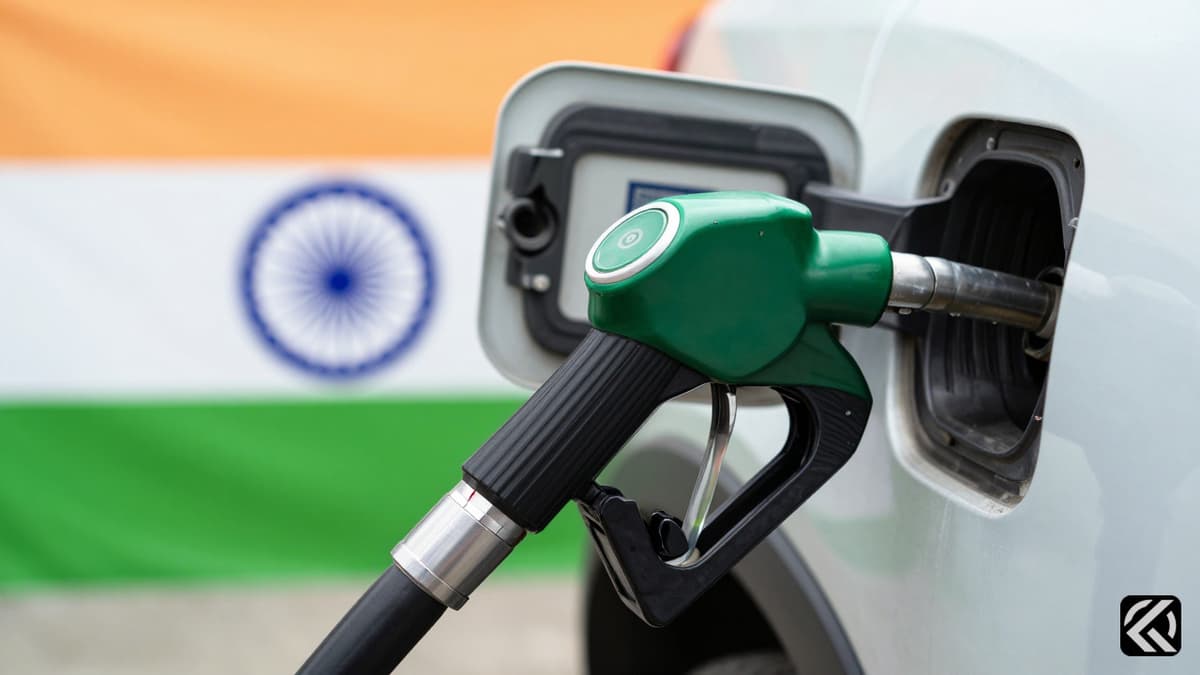
India's accelerated transition to a mandatory 20% ethanol blend in petrol has ignited widespread driver dissatisfaction, with motorists citing reduced fuel efficiency and potential engine damage in vehicles not designed for the new standard.
India’s aggressive push to integrate biofuels into its national fuel supply has triggered a significant backlash from motorists questioning the viability of the policy across a market where most vehicles remain incompatible with the new standard. The world’s largest two-wheeler market and third-largest car market implemented the mandatory E20 biofuel blend in April, replacing the previous 10% standard that many existing vehicles were designed to use. This sudden shift has intensified complaints on social media and in physical protests, with drivers accusing the government of imposing a costly and potentially damaging fuel alteration without adequate preparation for the automotive sector.
The controversy centers on the speed of the transition and the technical implications for older vehicles. While the government argues that the move reduces dependence on imported oil and cuts carbon emissions, many drivers feel abandoned. Unblended petrol remains available but is often 40-50% more expensive than E20, depending on the state, and many motorists are unaware they have the option to request it. Consequently, a wave of dissatisfaction has emerged, with consumers flooding online platforms with reports of engine wear, lower fuel efficiency, and reduced vehicle performance since the mandatory rollout.
At the heart of the dispute is the technical compatibility of the new fuel with existing engines. More than 75% of vehicles on Indian streets are not E20 compliant, according to Puneet Gupta, director of auto research firm Mobility Global. An analysis by the Thomson Reuters Foundation last year corroborated this, finding that only about 20% of new petrol vehicles sold in the past 15 years were designed to handle the 20% ethanol blend. This massive gap between the fuel policy and the vehicle fleet has fueled fears, especially among owners of pre-2023 vehicles who worry about engine corrosion and diminished performance.
The government and the automotive industry have moved quickly to defend the policy. Last month, officials dismissed complaints as "misleading" and "social media misinformation," stating that the fuel was rolled out after extensive testing and does not damage engines. To bolster this claim, the government enlisted experts and automakers to counter the "colorful myths" circulating online. In an unusual show of unity, six automakers joined a government press conference to assert that years of testing and service data showed no evidence of widespread vehicle damage from the mandatory blend.
Rahul Bharti, senior executive officer for corporate affairs at Maruti Suzuki, highlighted that India’s largest carmaker had serviced more than 15 million older vehicles that were not E20 compliant without finding any fuel-related faults. However, the automakers did concede that the use of E20 had led to a 3-3.5% drop in fuel efficiency due to the lower energy content of ethanol compared to pure petrol. Some independent estimates suggest the actual drop in efficiency could be significantly higher, ranging between 4% and 12%.
Despite official reassurances, the reality on the ground tells a different story for many mechanics. The BBC spoke to several car and two-wheeler service centers in Mumbai, where reports were mixed but leaned toward acknowledging emerging issues. Mohammed Arif, a motorcycle repair expert, stated he had serviced several older bikes for fuel residue buildup in carburetors, which he attributed to the higher ethanol content. These deposits reduce performance and require more frequent cleaning, effectively increasing servicing costs for customers who are now paying the same price per liter but getting fewer kilometers.
Basil Jacob, who runs a car servicing center, noted that customers are reporting lower fuel efficiency, forcing them to fill up more often. "They're paying the same per litre but getting fewer kilometres," Jacob observed. This sentiment was echoed in a survey by the online platform LocalCircles, which interviewed over 44,000 people who bought petrol vehicles before 2023. The survey found a notable jump in respondents reporting an "unusual increase in wear and tear or need for repairs" since the transition.
Experts caution that the damage may not be immediately visible but could manifest as a "slow-burn" impact over time. Hormazd Sorabjee, editor of Autocar India, told the BBC that ethanol attracts moisture, which can separate from the fuel over time and cause corrosion in fuel delivery systems after 10,000 to 20,000 kilometers of use. He also noted that ethanol can loosen old engine deposits, potentially clogging fuel pumps and injectors, leading to faster wear and additional part replacements. While Sorabjee suggested that long-term costs might not be significant for well-maintained cars, he acknowledged that some social media concerns are overblown, yet the potential risks are real for older engines not built to withstand such chemical properties.
The debate is further complicated by uncertainty over warranties and insurance. It remains unclear whether fuel-related faults in vehicles not designed for E20 will be covered by manufacturers, a critical concern in India’s highly cost-sensitive automotive market. A senior industry expert, speaking on condition of anonymity, argued that if the government forces this change on the public, it must be able to prove its safety scientifically. Currently, no public scientific studies support either the claims of damage or the government's assurances, leaving a significant evidence gap that fuels confusion and distrust.
India’s biofuel strategy aims to cut the massive oil import bill, support domestic farmers, and reduce emissions, as ethanol is produced locally from crops like sugarcane and maize. Government data suggests these broader goals are being met. However, critics argue that India compressed a transition that Brazil, the model for Indian officials, took four decades to complete. Brazil gradually built its ethanol-ready fleet before mandating higher blends, allowing consumers to choose between E27 petrol and 100% ethanol, with prices often making ethanol the cheaper option. India moved from 10% ethanol in 2022 to a mandatory 20% blend by 2025, five years ahead of its original schedule, skipping the crucial step of allowing vehicles time to adapt.
India’s accelerated adoption of ethanol blending India-wide has prioritized macroeconomic goals over immediate consumer compatibility, creating a polarized landscape between policy objectives and mechanical reality. While the government maintains that petrol engine compatibility concerns are baseless, the convergence of reported fuel efficiency drops, potential corrosion risks, and a lack of transparent scientific data suggests the transition will remain contentious. As other Asian nations follow suit, the long-term viability of India’s model will depend on whether manufacturers adjust warranties and whether the public eventually accepts the trade-off between national energy independence and individual vehicle performance.
Oct 3, 2026 04:08 UTC
FlyDubai Co-Pilot Banned in Oman Over Extremism Concerns
Oct 3, 2026 00:50 UTC
Israel-Mumbai Campaign Honors Captain Smit After Flydubai Incident
Oct 2, 2026 18:13 UTC
Captain Smit Machchhar’s Courage Saves Flydubai Flight FZ1073 From Disaster
Oct 2, 2026 16:45 UTC
Captain Smit Machchhar Saves Plane Mid-Fall
Sep 20, 2026 06:56 UTC
Five Die in Chatsworth Bus Collision and Helicopter Crash