Section
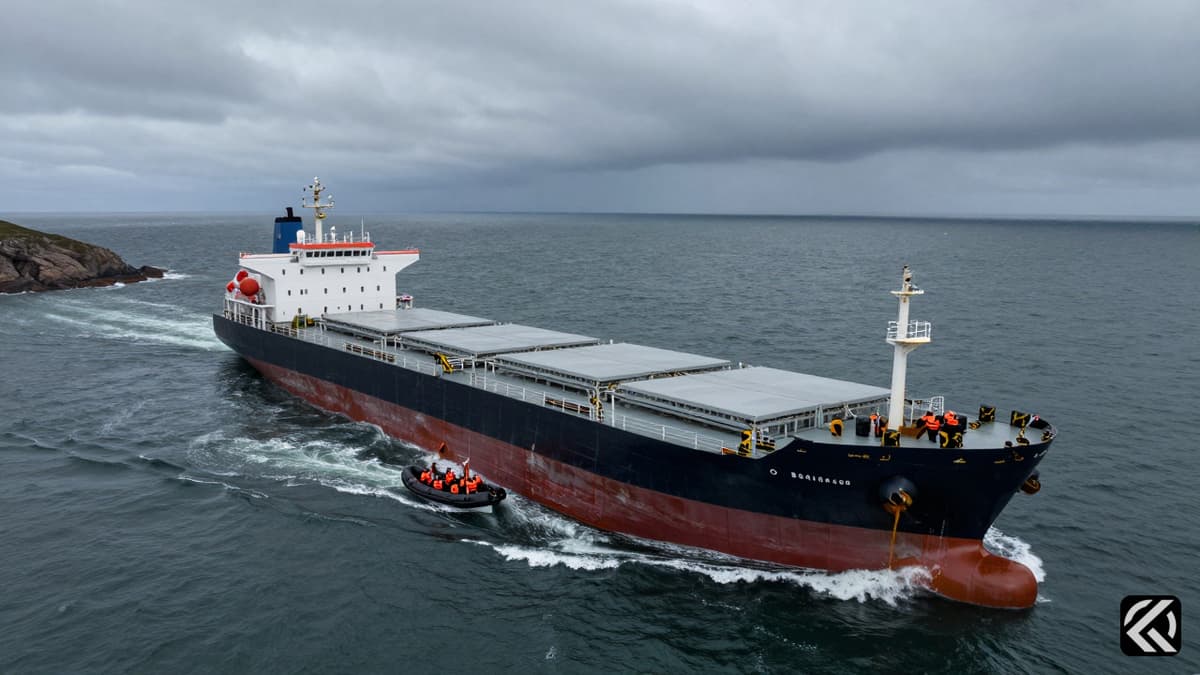
An Indian-flagged vessel was sunk by a projectile off Yemen’s coast, marking another dangerous escalation in regional shipping risks and highlighting ongoing geopolitical instability.
The MSV Faize Noore Oliya, an Indian-flagged vessel, was forced to capsize and sink after being struck by a projectile off the coast of Yemen, officials confirmed on Tuesday. This maritime incident highlights the escalating dangers facing commercial shipping in the Red Sea, a critical alternative waterway currently utilized by tankers attempting to bypass blockades elsewhere. Despite the severity of the strike, India’s Shipping Minister Sarbananda Sonowal confirmed that all 14 people on board were safely rescued, including 13 Indian nationals. The safe evacuation of the crew marks a critical success in emergency response efforts amid this dangerous geopolitical landscape.
Sonowal strongly condemned the incident, labeling it an "unprovoked attack" and stating that immediate steps would be taken to ensure the safety of seafarers operating in the region. While it remains unclear who exactly struck the ship, Yemen’s transportation ministry, part of the Saudi-backed government, accused Iran-backed Houthis of carrying out the assault using a boat laden with explosives. This accusation aligns with a recent surge in hostile activities targeting commercial and military vessels in the area, further complicating international efforts to maintain open trade routes.
The sinking of the MSV Faize Noore Oliya is not an isolated event but part of a broader pattern of instability affecting global logistics. The region's shipping routes have been significantly disrupted since the United States and Israel conducted strikes on Iran in late February. In retaliation and as a strategic leverage point, Iran subsequently blocked the Strait of Hormuz, one of the world’s busiest oil shipping channels. This blockage has had a huge impact on global oil prices, forcing many tankers carrying oil from Saudi Arabia to seek alternative paths through the Red Sea.
However, the Red Sea has become increasingly perilous. A recent spate of Houthi attacks on Saudi tankers has further heightened risks in the region, prompting international concern over the safety of maritime commerce. The UK Maritime Trade Operations agency has reported several attacks on ships in the region over the past week alone, underscoring the frequency and intensity of these hostile actions. The targeting of commercial shipping has drawn sharp criticism from the Indian ministry, which stated that such targeting "must end" and that free and unimpeded navigation must be restored in keeping with international law.
Historically, the Red Sea served as a vital corridor, but the current conflict has turned it into a zone of high risk. The Houthis announced a blockade on Saudi Arabia's Red Sea ports on July 20, further restricting access to critical Gulf ports. This strategic move by the Houthis, backed by Iran, serves to amplify the pressure on Saudi Arabia and its allies while testing the resolve of international powers involved in the region. The combination of the Strait blockage and Red Sea hostility has created a dual threat to global energy supplies.
While the immediate danger to the MSV Faize Noore Oliya has passed with the rescue of its crew, the broader geopolitical implications remain severe. Despite the violence, oil prices fell to a three-week low on Tuesday, driven by senior US officials raising hopes of a deal with Iran to reopen the Strait of Hormuz. This drop in prices suggests that market confidence in a diplomatic resolution may be outweighing fears of immediate supply shocks.
In June, the US and Iran agreed on a 14-point Memorandum of Understanding to halt military operations and reopen the Strait, with a goal to end the war within 60 days. However, US President Donald Trump declared the ceasefire "over" three weeks later following Iranian attacks on ships and subsequent US strikes. Despite this breakdown, US officials stated on Tuesday that talks have been progressing, with Treasury Secretary Scott Bessent suggesting a deal to reopen the Strait could be agreed as soon as Tuesday or Wednesday.
If these diplomatic efforts succeed, the immediate pressure on alternative routes like the Red Sea might alleviate slightly, though the trust deficit remains massive. Conversely, if talks fail, the Red Sea could face even more intense scrutiny and potential militarization as global powers attempt to secure energy flows. The safe rescue of the Faize Noore Oliya’s crew offers a temporary reprieve, but the underlying conflict continues to pose a significant threat to international trade and stability. The world will watch closely to see if diplomatic channels can restore order before further commercial vessels fall victim to the escalating violence.
Aug 17, 2026 14:29 UTC
USS Abraham Lincoln Crew Faces Mental Health Crisis During Extended Deployment
Aug 17, 2026 04:30 UTC
Trump Reduces Joint Military Exercises With South Korea
Aug 17, 2026 02:52 UTC
Kushner Meets Hamas in Egypt Over Rejected Gaza Ceasefire Plan
Aug 16, 2026 20:37 UTC
Kushner Mediates Gaza Ceasefire Amidst Escalating US-Iran Conflicts
Aug 18, 2026 00:00 UTC
Trump’s False Claims on South Korea Defense Payments Disputed