Section
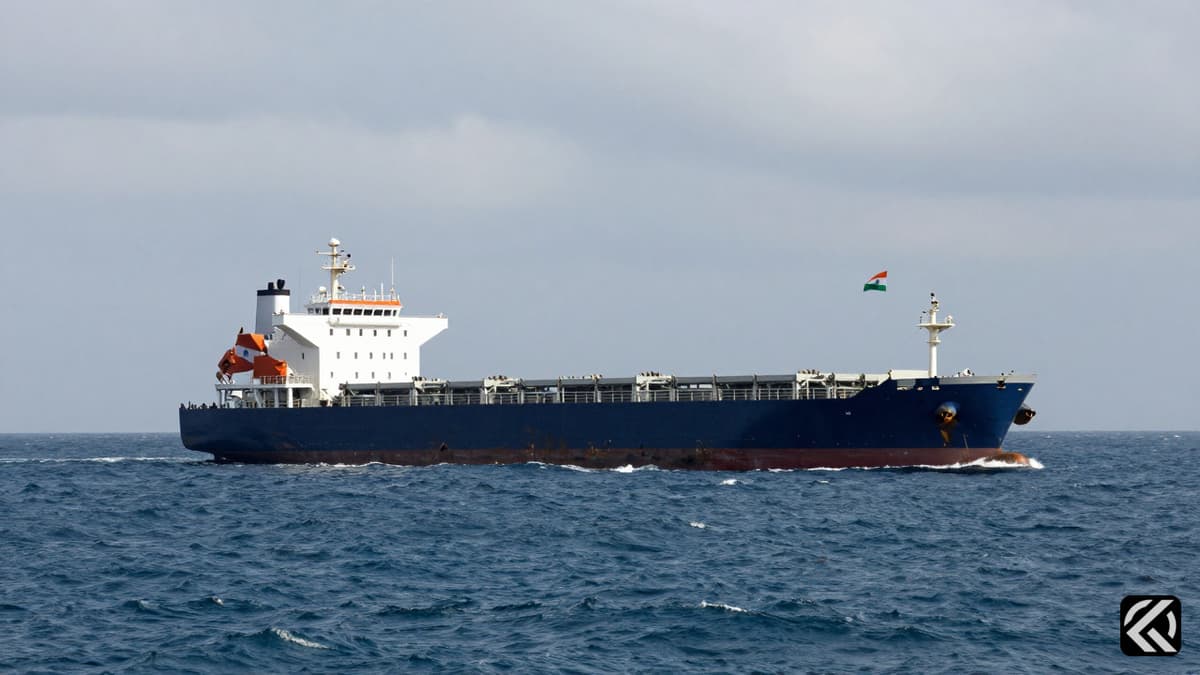
A terrifying incident unfolded in the Red Sea as an Indian-flagged vessel was targeted, prompting a swift rescue operation and a stern condemnation from New Delhi regarding the safety of global commerce.
A significant and alarming incident occurred in the Red Sea on Tuesday, August 4, 2026, when a commercial vessel flying the Indian flag came under direct attack. The Ministry of External Affairs (MEA) confirmed that the vessel, identified as the MSV Faize Noore Oliya, sank in the waters off the coast of Yemen. This incident has immediately drawn international attention due to the presence of Indian citizens on board and the broader implications for maritime security in one of the world’s most critical trade routes.
The immediate aftermath of the sinking saw a rapid response from local authorities. The MEA stated that all 13 Indian nationals aboard the MSV Faize Noore Oliya were rescued. The ministry expressed gratitude to the Yemeni authorities for their swift support in ensuring the safety of the crew members. This rescue operation highlights the ongoing efforts to mitigate the human cost of the escalating violence in the region, where commercial shipping has increasingly become a target.
The sinking of the MSV Faize Noore Oliya is not an isolated incident but part of a disturbing pattern of aggression against commercial vessels in the Red Sea. The MEA described the continuing incidents of attacks on commercial shipping in the region as "deeply worrisome." This sentiment reflects the growing anxiety among global powers and trading nations regarding the stability of international waterways. The Red Sea serves as a vital artery for global trade, connecting Europe, Asia, and Africa. Any disruption to navigation in this area has immediate and severe economic consequences.
New Delhi’s response to the incident was swift and unequivocal. The government issued a strong condemnation of the attack, emphasizing that the targeting of commercial shipping must stop immediately. The MEA stressed the need for "free and unimpeded navigation and commerce through the international waterways in the region, in keeping with international law." This statement underscores India’s commitment to the rule of law in maritime domains and its concern for the safety of its citizens and global trade interests.
The MEA noted that the Embassy in Riyadh is closely monitoring the situation. Diplomatic channels are being utilized to proactively coordinate with Yemeni authorities for the safety and security of the crew. This coordination is crucial not only for the immediate welfare of the rescued nationals but also for establishing a framework to protect other vessels in the vicinity. The involvement of the embassy indicates a high level of diplomatic engagement to address the immediate crisis and prevent further loss of life.
The attack on the Red Sea attack target, the MSV Faize Noore Oliya, exacerbates existing tensions in the Middle East. The region has seen a surge in maritime insecurity, affecting not just regional actors but global supply chains. Insurance premiums for shipping through these waters have skyrocketed, and several international companies have rerouted vessels around the Cape of Good Hope, leading to longer transit times and increased logistical costs. This incident serves as a stark reminder of the vulnerabilities inherent in global maritime trade when security mechanisms fail.
The condemnation by New Delhi aligns with broader international calls for de-escalation. Other nations and international organizations have expressed similar concerns about the safety of commercial vessels. The demand for the restoration of free navigation is a common theme in diplomatic communications regarding the Red Sea. It reflects a collective desire to stabilize the region and ensure that trade continues without the threat of violence. The MEA’s statement serves as a formal record of India’s position and its advocacy for peaceful resolution of conflicts.
The sinking of the vessel also raises questions about the operational security of maritime traffic. While the rescue of all 13 Indians is a positive outcome, it highlights the risks faced by seafarers. The crew of the MSV Faize Noore Oliya likely experienced significant distress during the attack and subsequent sinking. The MEA’s thanks to the Yemeni authorities acknowledges the humanitarian aspect of the rescue, separating it from the political and military dimensions of the conflict. This distinction is important in maintaining diplomatic relations while addressing security concerns.
As investigations into the cause and perpetrators of the attack proceed, the focus will likely remain on preventing future incidents. The MEA’s emphasis on international law suggests that India is advocating for legal frameworks to hold aggressors accountable. This approach is consistent with India’s foreign policy principles and its role as a significant player in global maritime trade. The incident also underscores the need for enhanced naval cooperation and intelligence sharing among nations to protect shipping lanes.
The long-term impact of such attacks extends beyond immediate economic losses. It contributes to a climate of uncertainty that can deter investment and trade in the region. For global consumers, the disruption of supply chains can lead to higher prices and shortages of goods. For the international community, it challenges the effectiveness of current maritime security architectures. The incident involving the Indian-flagged merchant vessel serves as a critical case study in the ongoing struggle to maintain peace and commerce in contested waters.
The sinking of the MSV Faize Noore Oliya and the successful rescue of its crew highlight the precarious nature of maritime security in the Red Sea. While the immediate crisis has been managed through the efforts of local authorities and diplomatic coordination, the underlying causes of the violence remain unresolved. New Delhi’s condemnation and call for free navigation reflect a broader international consensus that the targeting of commercial shipping is unacceptable. Looking ahead, the region requires sustained diplomatic engagement and robust security measures to restore confidence in the safety of international waterways. Without such efforts, the frequency and severity of such incidents may increase, further destabilizing global trade and posing greater risks to seafarers. The international community must prioritize the protection of commercial shipping to prevent further escalation and ensure the uninterrupted flow of goods across critical maritime routes.
Aug 17, 2026 14:29 UTC
USS Abraham Lincoln Crew Faces Mental Health Crisis During Extended Deployment
Aug 17, 2026 04:30 UTC
Trump Reduces Joint Military Exercises With South Korea
Aug 17, 2026 02:52 UTC
Kushner Meets Hamas in Egypt Over Rejected Gaza Ceasefire Plan
Aug 16, 2026 20:37 UTC
Kushner Mediates Gaza Ceasefire Amidst Escalating US-Iran Conflicts
Aug 18, 2026 00:00 UTC
Trump’s False Claims on South Korea Defense Payments Disputed