Section
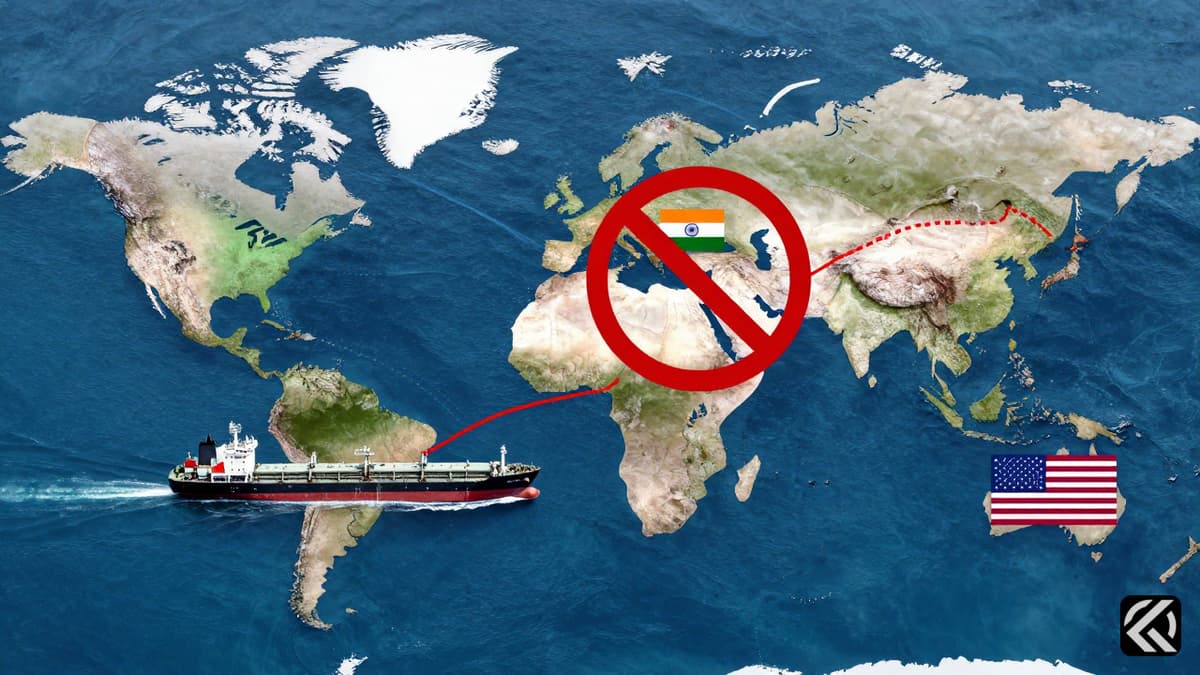
India has issued a stern warning to Washington regarding new US Congress sanctions bill measures that threaten bilateral ties through potential tariffs on Russian energy imports.
India has issued a stark warning to the United States that proposed new measures to levy tariffs over the purchase of Russian oil could significantly impact bilateral ties. This diplomatic alert comes just hours after the US Congress approved a bill granting President Donald Trump new abilities to punish buyers of Russian energy. The legislative move aims to increase economic pressure on Moscow regarding its ongoing invasion of Ukraine, directly targeting India, a major consumer of this resource.
The US House of Representatives passed the sweeping sanctions and tariff bill on Wednesday. The legislation is designed to target Russia’s energy and defense sectors, as well as President Vladimir Putin and other senior officials. It specifically addresses Moscow’s so-called shadow fleet of tankers used to circumvent Western sanctions. Crucially for New Delhi, the bill authorizes President Trump to impose stiff tariffs of up to 100 percent on countries that continue to purchase Russian oil and gas.
In response, India’s foreign ministry emphasized its steadfast commitment to ensuring energy security for its 1.4 billion citizens. The ministry noted the passage of the bill and confirmed that New Delhi had raised these concerns with various US interlocutors in recent months. Indian officials have very clearly articulated the potential implications for the bilateral relationship and the international energy market. They stated their determination to take all necessary measures to protect trade and economic interests.
The government plans to work closely with trade and industry bodies to manage the implications of this legislation. As the world’s third-biggest oil importer, India is among the biggest buyers of Russian oil. This trade helps Moscow replenish its budget since the full-scale invasion of Ukraine began in February 2022. New Delhi has repeatedly resisted pressure to reduce its oil trade with Russia, citing the need for secure and affordable energy for its large population and economy.
The situation highlights the growing complexity of global energy politics. The proposed Russia oil tariffs represent a significant escalation in US attempts to isolate the Russian economy. By allowing up to 100 percent tariffs, the US Congress sanctions bill creates a severe financial deterrent for nations continuing to buy Russian energy. For India, this creates a difficult diplomatic and economic balancing act. The nation must weigh its strategic partnership with the US against its critical need for affordable energy sources.
The bill has been sent to President Trump for signature, potentially transforming it into law. This legislative action underscores the US government’s aggressive stance on sanctions enforcement. The inclusion of a 100 percent tariff provision signals that Washington intends to force a hard choice on major energy consumers. Countries like India and China, which have significantly increased Russian oil purchases, are now facing direct economic threats. The potential application of these tariffs could disrupt global supply chains and alter diplomatic alignments in South Asia and beyond.
India’s foreign ministry has made it clear that it views this issue as critical to its national interest. The statement regarding the protection of trade and economic interests suggests that New Delhi may take countermeasures if the tariffs are implemented. The mention of working with trade and industry bodies indicates that the Indian government is mobilizing domestic stakeholders to assess and mitigate the economic fallout. This internal coordination is a standard diplomatic and economic response to external pressures that threaten national stability.
The shadow fleet of tankers mentioned in the bill represents a key mechanism Russia has used to evade Western price caps and sanctions. By targeting this fleet, the US aims to reduce the volume of Russian oil reaching global markets. However, India’s continued purchasing habits demonstrate the limits of Western sanctions in a multipolar world. New Delhi argues that its large population requires reliable energy, regardless of geopolitical tensions. This argument positions India as a pragmatic actor prioritizing domestic needs over international pressure.
The timing of India’s warning, coinciding with the bill’s passage, suggests a coordinated diplomatic effort to influence the final outcome or mitigate its effects. By alerting Washington to the potential damage to bilateral relations, New Delhi is leveraging the strategic importance of the India-US partnership. The relationship is crucial for both nations in the context of regional security and economic cooperation. Damaging this partnership through aggressive economic sanctions could have long-term strategic consequences for US interests in the Indo-Pacific region.
The international energy market is already volatile due to the conflict in Ukraine. Any additional tariffs could further disrupt supply and demand dynamics. India’s role as a major importer means it has significant influence over global oil prices and flows. If New Delhi is forced to reduce its Russian purchases due to tariffs, it would need to find alternative suppliers. This shift could benefit other oil-exporting nations but might also lead to higher costs for Indian consumers and industries.
Furthermore, the bill’s extension of sanctions on Iran adds another layer of complexity to regional geopolitics. Iran and Russia have strengthened their strategic partnership in recent years. Increased US pressure on both nations could deepen their cooperation, potentially leading to more robust evasion tactics. The global community will be watching how other major economies, including China, respond to these new measures. Their reactions will determine the overall effectiveness of the US strategy.
For India, the challenge is not just economic but also political. Resisting US pressure requires diplomatic courage and strategic autonomy. The government’s statement reflects a firm stance that energy security is non-negotiable. This position aligns with India’s historical foreign policy of non-alignment and independent decision-making. However, the severity of the proposed tariffs tests the resilience of this policy. The coming months will reveal whether diplomatic warnings can sway US policy or if India will face the full brunt of the new sanctions.
The intersection of energy policy and diplomacy creates a pivotal moment for India US relations. As the US moves to enforce strict penalties on Russian energy imports, the economic friction between the two nations is expected to intensify. If the bill becomes law, India may need to divest from Russian oil to avoid crippling tariffs, which could reshape its energy portfolio and reduce diplomatic leverage. Conversely, refusal to comply might lead to strained ties, affecting broader cooperation on trade, technology, and security. The long-term stability of the partnership will depend on whether mutual economic interests can outweigh the pressure of geopolitical sanctions, or if this legislative move marks a permanent shift in US-Indian strategic alignment.
Oct 3, 2026 04:08 UTC
FlyDubai Co-Pilot Banned in Oman Over Extremism Concerns
Oct 3, 2026 00:50 UTC
Israel-Mumbai Campaign Honors Captain Smit After Flydubai Incident
Oct 2, 2026 18:13 UTC
Captain Smit Machchhar’s Courage Saves Flydubai Flight FZ1073 From Disaster
Oct 2, 2026 16:45 UTC
Captain Smit Machchhar Saves Plane Mid-Fall
Oct 3, 2026 10:04 UTC
UAE Official: Flydubai Co-Pilot’s Attack Was Terror Act