Section
India condemns U.S. Navy strikes on merchant vessels with Indian crews, killing three, and demands immediate cessation of hostilities and safe navigation rights.
India on Thursday, June 11, 2026, issued a stern diplomatic protest to the United States regarding the recent military strikes against three merchant vessels operating in the waters off the coast of Oman. This incident marks the first public acknowledgment by New Delhi that the U.S. Navy had targeted these specific commercial ships, which were carrying significant numbers of Indian seafarers. The confrontation has escalated tensions, resulting in the death of three Indian nationals and raising urgent concerns about the safety of maritime workers in the region. The Ministry of External Affairs (MEA) emphasized that such attacks must cease immediately to prevent further loss of life and ensure the stability of global shipping routes.
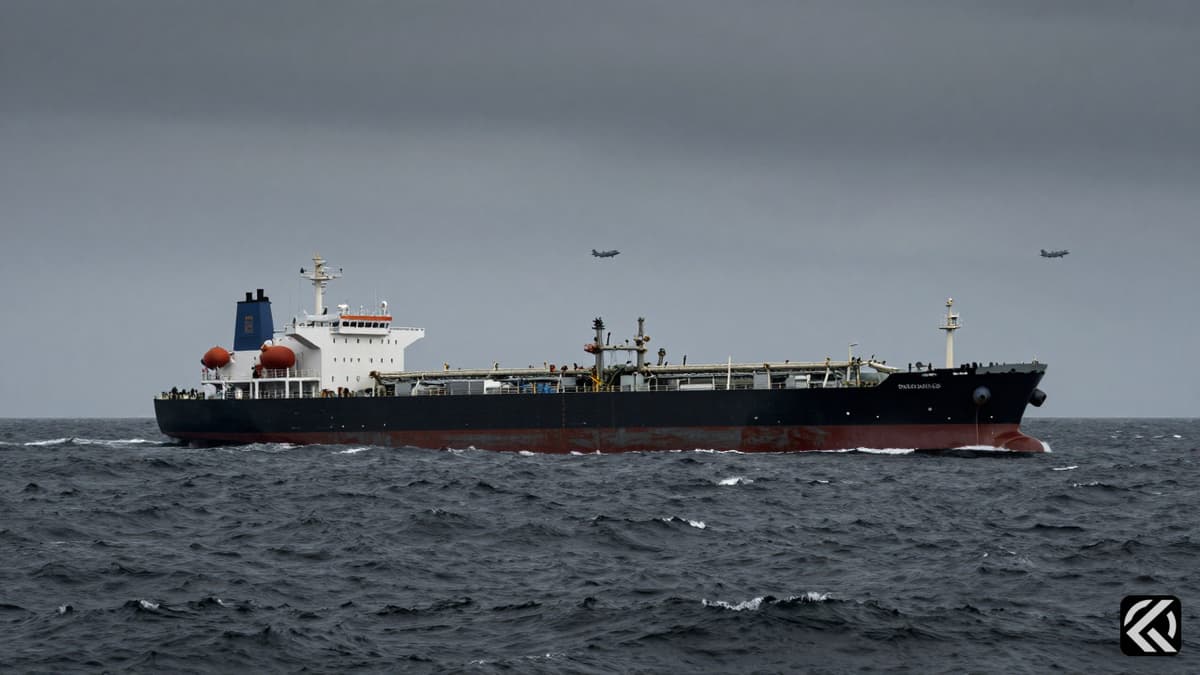
The series of violent encounters began on June 8, when U.S. forces disabled the Palau-flagged oil tanker Marivex, which was carrying 24 Indian seafarers. All crew members on board were safely rescued, but the incident set a precedent for subsequent attacks. Two days later, on June 10, the U.S. military struck another Palau-flagged tanker, the Settebello. This attack resulted in the tragic death of three Indian sailors out of the 24 crew members on board. The MEA summoned U.S. Charge d'Affaires Jason Meeks to deliver a demarche, a formal diplomatic note of protest, expressing New Delhi's deepest concern over these ongoing incidents. The ministry reiterated its high importance on the welfare of its seafaring community and made its position clear: the targeting of commercial shipping must stop.
The most recent incident occurred on Thursday, June 11, when the Jalveer, a Guinea-Bissau-flagged tanker carrying 20 Indians, was also attacked. U.S. Central Command later confirmed that the Jalveer was disabled after a combat aircraft fired two Hellfire missiles into its engine room. The military stated that the crew had repeatedly failed to comply with directions from U.S. forces and had violated the blockade against Iran by attempting to transport Iranian oil. This justification highlights the complex geopolitical backdrop of the strikes, which are linked to broader conflicts in West Asia and U.S. sanctions enforcement. The MEA noted that while the ships were foreign-flagged-two Palau and one Guinea-Bissau-they were not Indian-owned, yet they carried many Indian nationals who are subject to the risks of the conflict.
External Affairs Ministry spokesperson Randhir Jaiswal provided a detailed briefing on the government's response and the current status of the affected vessels. He confirmed that the strikes on the Settebello, Marivex, and Jalveer came directly from the U.S. Navy. Jaiswal emphasized that while the vessels themselves were not Indian property, the lives of the crew members are of paramount importance to New Delhi. The ministry has conveyed to Washington that dialogue and diplomacy remain the only viable path for the peaceful resolution of the conflict. Furthermore, India has demanded unimpeded access through the Strait of Hormuz in accordance with international law, stressing that free navigation is essential for global commerce and regional stability.
The humanitarian aspect of the crisis has prompted immediate action from the Indian government. Mukesh Mangal, Additional Secretary at the Ministry of Ports, Shipping and Waterways, confirmed that the evacuation of seafarers from the Jalveer has commenced. For the Settebello, all remaining 25 crew members, including 21 Indians, two Pakistanis, one Russian, and one Ukrainian, were safely evacuated. In response to the tragedy, the Seamen Welfare Fund Society has been directed to pay ₹10 lakh to the family of each deceased sailor. This financial support underscores the government's commitment to protecting its citizens abroad and providing relief in times of crisis.
The escalating maritime conflict has significant diplomatic ramifications, with potential ripple effects on India's foreign policy agenda. Secretary (West) in the MEA Sibi George indicated that the evolving situation in West Asia, along with the ongoing restrictions on shipping through the Strait of Hormuz, may become a key topic in Prime Minister Narendra Modi’s bilateral meetings on the sidelines of the G7 summit in France. This suggests that India is leveraging high-level diplomatic platforms to pressure Washington for a de-escalation of tensions. As more than 18,000 Indian seafarers remain in the Gulf region, including those on 13 Indian-flagged ships, the safety of these workers remains a critical priority. If the pattern of military interventions against merchant vessels continues, it could strain Indo-U.S. relations, particularly regarding economic ties and labor welfare. The demand for immediate de-escalation and the conclusion of diplomatic negotiations reflects New Delhi's dual role as a regional power and a global stakeholder in maritime security. The outcome of these diplomatic efforts will likely determine whether the region moves toward a negotiated peace or faces further disruption in global oil supplies and civilian safety.
Jun 17, 2026 00:58 UTC
US-Iran 60-Day Challenge: Peace Deal Leaves Nuclear Details Pending
Jun 16, 2026 22:51 UTC
G7 Summit: Modi Warns of Hormuz Risks, Trump Pushes Russian Sanctions
Jun 16, 2026 18:58 UTC
G7 Leaders Intensify Pressure on Russia with New Sanctions
Jun 16, 2026 18:36 UTC
Trump Claims US-Iran Agreement Opens Strait of Hormuz Without Tolls
Jun 17, 2026 06:48 UTC
US Proposal Brings Financial Hope to Iran Peace Talks