Section
A landmark sanctions bill targeting Russia and Iran clears a crucial House procedural vote, potentially authorizing 100 percent tariffs on nations buying Russian oil.
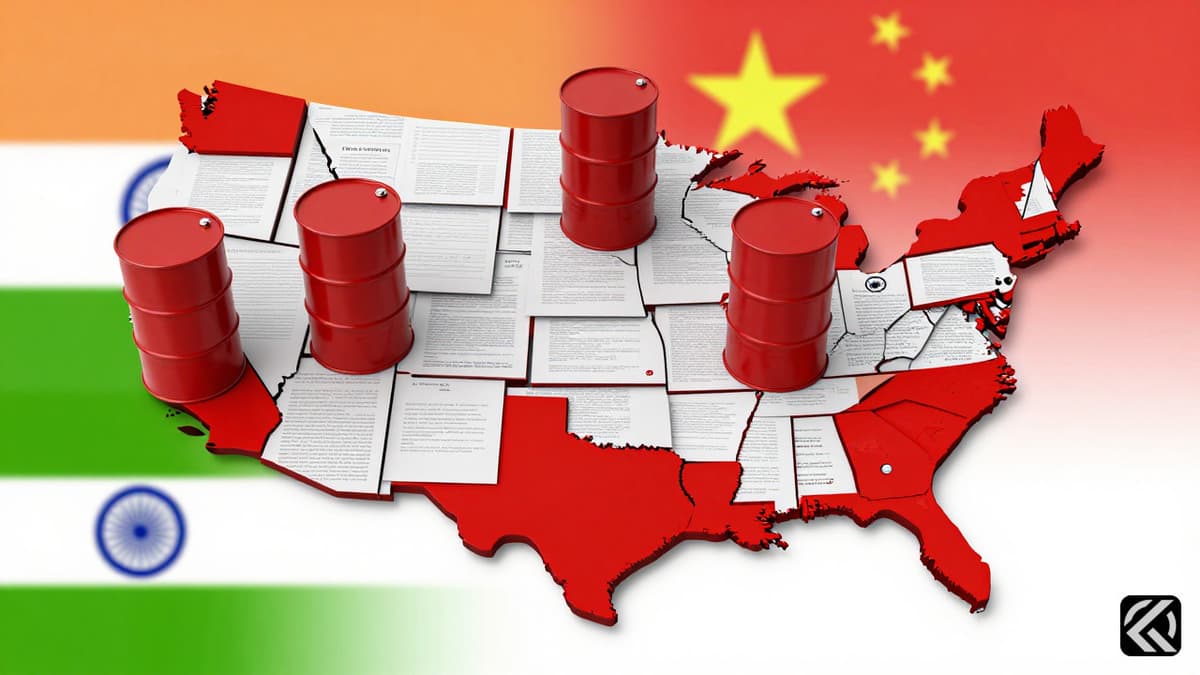
The United States is moving closer to imposing severe economic penalties on nations that continue to purchase Russian energy, a legislative move that could dramatically reshape global trade dynamics. A critical procedural vote in the House of Representatives cleared a major hurdle for the Lindsey O. Graham Sanctioning Russia and Iran Act of 2026, signaling strong bipartisan momentum despite the narrow margin. This legislation, if enacted, would empower the US President to impose tariffs of up to 100 percent on countries that buy significant quantities of Russian oil, directly targeting major consumers like India and China. The bill’s advancement comes amid escalating geopolitical tensions and intense lobbying efforts by pro-Ukraine groups on Capitol Hill.
The legislative journey began with an overwhelming approval in the US Senate on August 7, where it passed by an 86-11 vote, demonstrating strong federal consensus on the need to cut off Russia’s war financing. The House proceedings, however, required more delicate navigation. On Tuesday evening, the legislation cleared a key procedural hurdle after two Democrats broke ranks with their party leadership to join Republicans. This defection was crucial, allowing the resolution to pass 214-211. This result dealt a significant setback to House Democratic leadership, highlighting the growing pressure on lawmakers to support强硬 measures against Moscow. The narrow margin underscores the political sensitivity of the issue, particularly regarding trade relationships with emerging economies.
Named after former Republican Senator Lindsey Graham, the Trump Russia sanctions bill is designed to target both Russia and Iran. The text proposes comprehensive sanctions against Russia’s leadership, its energy sector, and financial institutions. A specific focus is placed on Russia’s “shadow fleet,” a network of vessels used to circumvent international sanctions and facilitate the export of Russian oil. By targeting the logistical mechanisms of Russian energy exports, the bill aims to restrict Moscow’s ability to generate revenue from its primary commodity. Additionally, the legislation expands existing sanctions against Iran, adding another layer to the Trump administration’s broader campaign of economic pressure against Tehran.
One of the most consequential provisions of the bill is its authority to impose tariffs on third-party nations. The Senate-passed text does not explicitly name Russia’s trading partners but refers to the five largest importers of Russian oil and gas by volume. However, the practical implication is clear: India and China, which remain among Russia’s biggest oil customers, are in the crosshairs. President Donald Trump has repeatedly targeted India over its purchases of Russian crude, accusing New Delhi of helping to fund Moscow’s war in Ukraine. His administration has already utilized tariffs as a diplomatic tool to pressure countries regarding their trade with Russia, and this legislation would codify that approach into law, giving the President substantially greater leverage.
The timing of the House vote coincides with intensifying advocacy efforts for Ukraine. The Ukraine Action Summit, organized by the American Coalition for Ukraine, is currently underway. Advocates are meeting with US lawmakers to push for continued support for Kyiv and to emphasize the link between Russian energy revenues and the ongoing conflict. The proposed sanctions are rooted in the Washington assessment that Russia’s oil revenues are directly financing its war against Ukraine. By cutting off these financial streams, the legislation aims to weaken Russia’s military capabilities and economic stability.
As the legislation moves toward its final House vote on Wednesday afternoon, the political landscape remains fluid. If approved, the bill will be sent to President Trump for his signature, marking a significant shift in US economic statecraft. The potential for 100 percent tariffs on major economies like India and China could disrupt global supply chains and alter diplomatic relations. The bill’s passage would represent a decisive escalation in the US strategy to isolate Russia economically, leveraging its own market power to enforce international norms.
The passage of this bill marks a pivotal moment in US foreign policy, transitioning from advisory pressure to legal mandate. If the final House vote succeeds and President Trump signs the bill, the resulting US tariffs on India and China could trigger immediate market volatility and diplomatic friction. These tariffs would not only impact the specific nations targeted but also serve as a deterrent to other countries considering increased trade with Russia. The long-term impact could involve a significant reshaping of global energy markets, as buyers seek alternative suppliers to avoid punitive US measures. Furthermore, the expansion of sanctions against Iran suggests a broader strategic effort to isolate adversarial regimes economically, potentially leading to further global fragmentation in trade alliances. The success of this legislation will depend on how effectively the administration can enforce these tariffs while managing the geopolitical consequences of straining ties with major emerging economies.
Oct 6, 2026 02:48 UTC
Yemen Forces Recapture Mocha in Major Counteroffensive
Oct 6, 2026 00:07 UTC
Teen Loses Hand in French School Protest Clashes Amid Escalating Violence
Oct 5, 2026 22:36 UTC
UAE Shares FlyDubai Crew Data After Pilot Seize Control Attempt
Oct 5, 2026 22:00 UTC
US Withdraws Heavy Bombers From UK Base Amidst Rising Tensions With Iran
Nov 5, 2026 20:16 UTC
Pia Dandiya Claims Landmark Florida Win in 2026 Midterms