Section
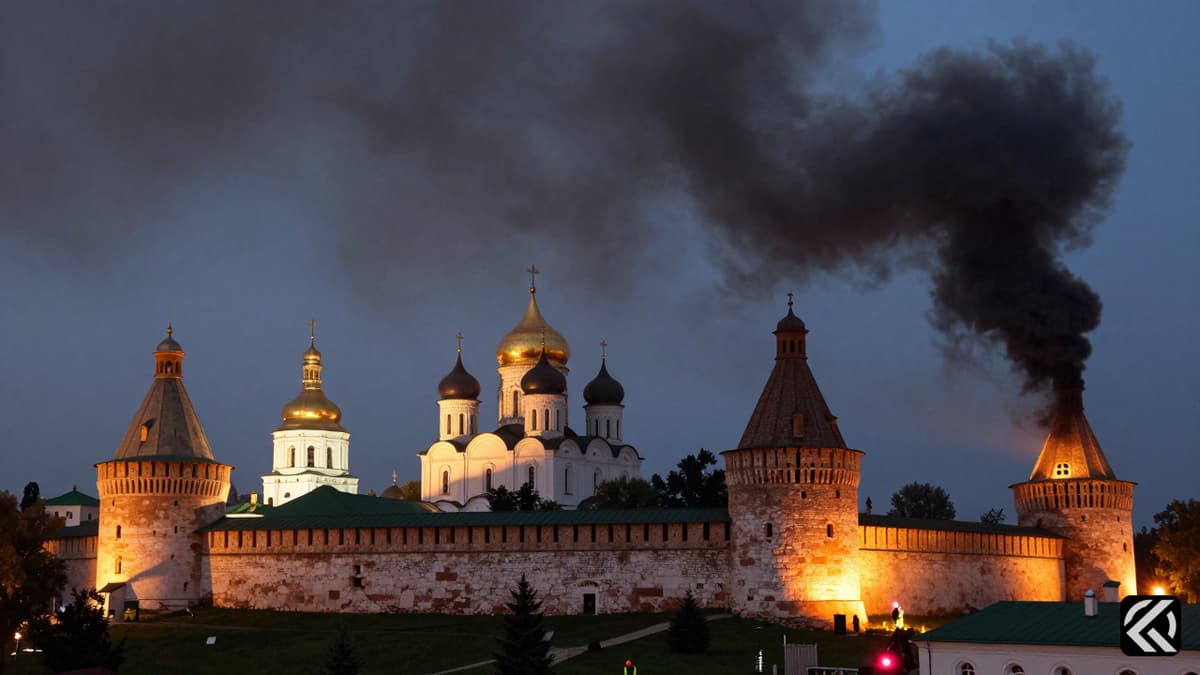
Historic flames engulf Ukraine's spiritual heart as a devastating overnight strike triggers international outcry and urgent G7 summit deliberations on defense support.
A massive overnight assault by Russia ignited fires across Kyiv, severely damaging the historic Kyiv Pechersk Lavra monastery complex and killing at least four people in the capital.
Images released by emergency services showed flames billowing from the UNESCO-listed site, which dates back nearly 1,000 years, as firefighters battled the blaze beneath the towers of the Dormition Cathedral. By daybreak, emergency crews had controlled the initial spread, but the Kyiv Pechersk Lavra suffered significant damage, with 800 square meters of the Dormition Cathedral’s roof affected. The attack, which Ukrainian Air Force officials noted involved 611 long-range strike UAVs and 70 missiles, also triggered a fire in the National Cultural, Art and Museum Complex, covering an additional 1,000 square meters. Tymur Tkachenko, head of the Kyiv city military administration, confirmed that more than 20 people were wounded in the capital, while electricity was cut to approximately 140,000 households in northern Kyiv.
In response to the devastation, Metropolitan Epiphanius of Kyiv and All Ukraine issued a statement describing the event as "another Russian crime against humanity, against history, against Christianity," and asked for prayers for the shrine's salvation. The attack is particularly shocking given the site’s status as a UNESCO World Heritage center and a "masterpiece of Ukrainian art," which was placed on the World Heritage in Danger list in 2023 due to threats from the Russian offensive. Over centuries, the complex has served as a major spiritual and cultural hub, with relics of saints buried in its underground caves.
The intensity of this Russian attack on Kyiv drew immediate condemnation from global leaders, particularly as the G7 summit convened in Évian, France. Ukrainian President Volodymyry Zelensky characterized the strike as "one of Russia's most serious crimes against Christian culture to date" and used the opportunity to urge the international community for a swift response. In a post on X, Zelensky emphasized that Russia’s actions demonstrate its intention to continue the war, calling for a "decisive and substantive" response from G7 countries that includes more pressure on the aggressor and increased support for Ukraine's air defense systems.
Zelensky’s appeal coincided with diplomatic efforts to end the conflict, which Moscow initiated more than four years ago. He noted recent discussions with U.S. President Donald Trump regarding peace efforts, stating that all Ukrainians wish to achieve peace together with the US and its partners. Meanwhile, Russia’s Defense Ministry claimed the strikes targeted the "defence-industrial complex" in Kyiv, Kharkiv, and Dnipropetrovsk. However, the reality on the ground in Kharkiv revealed further casualties, with Interior Minister Ihor Klymenko reporting five deaths and five injuries following bombardment in the northeastern city.
European Commission President Ursula von der Leyen addressed the situation shortly after the attacks began. In a statement shared on X, she condemned Russia’s "heavy attacks" and confirmed that G7 leaders would discuss the next steps to increase pressure on Russia and bring Vladimir Putin to the negotiating table to end the violence. Her comments underscored the diplomatic urgency surrounding the G7 summit, where leaders are expected to formulate a unified strategy in response to the escalating violence and the targeting of cultural heritage sites.
The destruction of the Kyiv Pechersk Lavra represents not just a physical loss but a symbolic assault on Ukrainian identity and history. As firefighters worked through the night to protect the remaining structures, the international community watched closely, aware that the outcome of the G7 discussions could influence future aid packages and defensive measures for Ukraine.
The convergence of the historic fire at the Kyiv Pechersk Lavra and the diplomatic proceedings at the G7 summit highlights the intersection of cultural preservation and geopolitical strategy. As leaders in Évian debate increased pressure on Moscow, the visible destruction of a millennium-old site serves as a powerful argument for immediate and robust air defense support. The ongoing violence, which has claimed lives in both Kyiv and Kharkiv, suggests that diplomatic pressures must be matched with tangible military aid to deter further escalation and protect Ukraine's remaining heritage sites from potential future devastation.
Jun 17, 2026 00:58 UTC
US-Iran 60-Day Challenge: Peace Deal Leaves Nuclear Details Pending
Jun 16, 2026 22:51 UTC
G7 Summit: Modi Warns of Hormuz Risks, Trump Pushes Russian Sanctions
Jun 16, 2026 18:58 UTC
G7 Leaders Intensify Pressure on Russia with New Sanctions
Jun 16, 2026 18:36 UTC
Trump Claims US-Iran Agreement Opens Strait of Hormuz Without Tolls
Jun 17, 2026 06:48 UTC
US Proposal Brings Financial Hope to Iran Peace Talks