Section
Adam Polovincik recalls hugging his children as their Flydubai flight plunged after a pilot stabbing. Passengers fought back, averting disaster in a shocking mid-air attack.
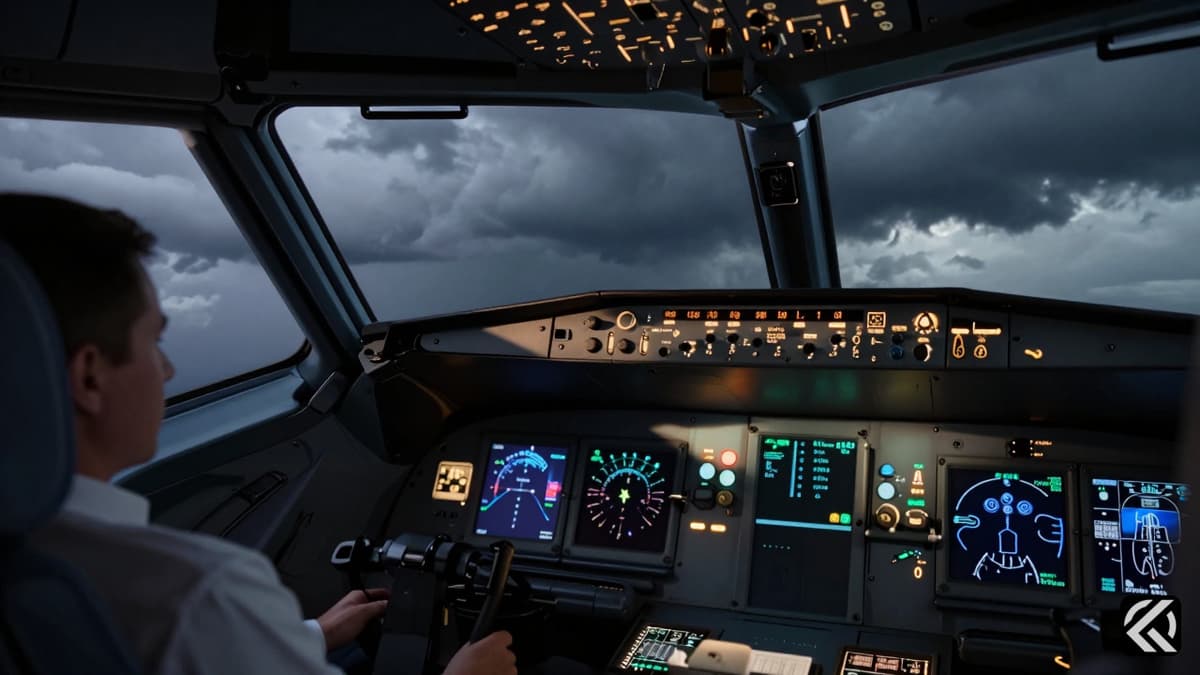
The terrifying sequence of events aboard a Flydubai plane unfolded in under two minutes, beginning when one pilot stabbed another in a desperate attempt to seize control of the aircraft. Adam Polovincik, a passenger on the flight from Dubai to Tel Aviv, describes a harrowing ordeal where the plane plunged more than 17,000ft (5,200m) before passengers and crew managed to overpower the attacker and reestablish control for a safe landing.
Polovincik, who was traveling with his wife and two young children after a holiday in Singapore and Thailand, found himself in aisle 13 when the crisis erupted. As the aircraft experienced a "very, very, very sharp decrease in height," initial confusion gave way to panic and screams of "there is blood, there is stabbing, we need help." The incident occurred about two hours into the journey, during a period when the flight carried a high concentration of families with children due to the timing following a Jewish holiday.
In a detailed account shared with BBC Newshour, Polovincik emphasized the immediate need for calm amidst the chaos. He hugged his six-year-old son and three-year-old daughter "really hard," striving to maintain a composed demeanor and tone to reassure them that the plane was merely experiencing a malfunction and that the crew was in control. His ability to keep his face free of panic provided a crucial anchor for his children during the descent.
The situation escalated rapidly as passengers heard shouts of blood and stabbing from the cockpit area. Despite the "huge degree of panic" on board, the collective action of the passengers proved decisive. Yaniv Hayun, another passenger, later described in a video released by Prime Minister Benjamin Netanyahu’s office how he placed the attacker in a chokehold and pulled him from the cockpit. Other passengers assisted in pinning down the assailant, halting the hijacking attempt.
Polovincik noted that the initial descent felt prolonged, taking "almost a minute," which led him to initially suspect an air pocket. However, the realization of violence changed his perspective instantly. "At the end of the day, you understand very, very quickly that literally there is nothing that you can do at this point in time," he explained. His strategy shifted to emotional protection, telling his children everything would be alright while trying to hide his own fear.
The intervention of the passengers bought critical time for the two other pilots on board to take over the controls. These backup aviators managed to stabilize the aircraft and eventually land it safely. The flight, which had been carrying more than 150 passengers, was diverted to Saudi Arabia. Polovincik stressed that the passengers, who were almost exclusively Israeli, were treated well during the diversion.
When the situation was declared "under control" by a passenger in the cockpit, Polovincik faced the difficult task of maintaining his narrative of a technical malfunction for his children, even as other passengers began walking through the aisle covered in blood. He reflected on the incident with profound gratitude, stating, "Without him opening the door, we're probably not speaking here right now," referring to the attacker's initial breach of the cockpit.
He also expressed a spiritual dimension to the survival, noting that although he was not religious, he felt "the hand of God" had orchestrated the precise timing of events to save lives. He praised the stabbed pilot and the passengers who subdued the attacker as "true heroes."
Prime Minister Netanyahu addressed the incident later, stating it was too early to determine Iranian involvement. However, he confirmed that the alleged attacker had undergone "Islamist radical indoctrination." This detail adds a layer of political complexity to the physical terror experienced by the passengers.
The event highlights the vulnerability of aviation security to individual acts of violence, even when robust protocols exist. The rapid response of passengers and the availability of backup pilots were critical factors in preventing a tragedy. The swift action of individuals like Yaniv Hayun and the steadfastness of passengers like Polovincik demonstrate the pivotal role of public courage in aviation emergencies.
The Flydubai plane attack underscores the critical necessity of enhanced cockpit security measures and pilot training for sudden hostile entries. As authorities investigate the Islamist radical indoctrination linked to the attacker, airlines may implement stricter psychological screening for flight crews and reinforced cockpit doors. The successful passenger intervention highlights the need for better crew coordination with passengers during crises. Future protocols will likely emphasize rapid communication channels between the cockpit and cabin to manage panic more effectively. This incident serves as a grim reminder of the unpredictable nature of modern aviation threats and the importance of resilience in ensuring passenger safety.
Oct 6, 2026 02:48 UTC
Yemen Forces Recapture Mocha in Major Counteroffensive
Oct 6, 2026 00:07 UTC
Teen Loses Hand in French School Protest Clashes Amid Escalating Violence
Oct 5, 2026 22:36 UTC
UAE Shares FlyDubai Crew Data After Pilot Seize Control Attempt
Oct 5, 2026 22:00 UTC
US Withdraws Heavy Bombers From UK Base Amidst Rising Tensions With Iran
Nov 5, 2026 20:16 UTC
Pia Dandiya Claims Landmark Florida Win in 2026 Midterms