Section
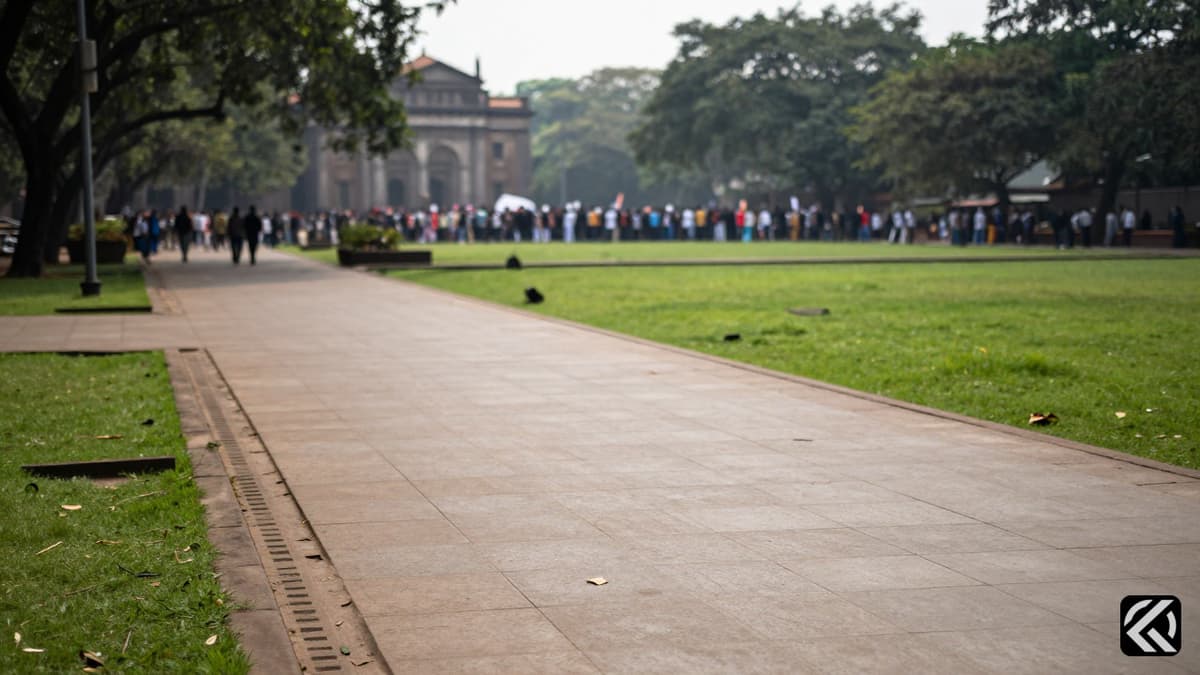
Cockroach Janta Party leader Abhijeet Dipke plans a major demonstration in Mumbai, directly challenging the Chief Election Commissioner over alleged electoral manipulation and demanding immediate accountability.
The Cockroach Janta Party founder, Abhijeet Dipke, announced on Thursday, October 1, 2026, that his organization will stage a significant demonstration at Mumbai’s Shivaji Park on Friday, October 2. The primary objective of this upcoming event is to demand the immediate resignation of Chief Election Commissioner Gyanesh Kumar and to push for criminal charges to be filed against him. The group has outlined several core demands, including the freezing of the Special Intensive Revision (SIR) roll and ensuring that the process for appointing the next CEC is transparent, with active participation from civil society. After concluding their Mumbai mobilization, the group plans to extend their protest to six other cities, with a final rally scheduled at Jantar Mantar in New Delhi by the end of October.
Dipke leveled severe allegations against the current election authority, describing the CEC as a "traitor" who does not deserve his position. He characterized Kumar as a puppet of Prime Minister Narendra Modi and Home Minister Amit Shah, citing the deletion of 13 crore names from the voters’ list since 2024 as evidence of systemic manipulation. Dipke argued that the gap between the NDA and INDIA bloc in the 2024 elections was merely 2%, yet the ruling party managed to secure a 14% share of the vote through these deletions. He asserted that India currently operates under an illusion of democracy rather than a genuine democratic system. Emphasizing the widespread impact of these deletions, Dipke warned that many affected individuals will take to the streets if Kumar refuses to step down, further alleging that the CEC is effectively rigging elections in favor of the Prime Minister.
In addition to targeting the electoral leadership, Dipke expressed deep apprehension regarding the security of Electronic Voting Machines (EVMs), claiming that all electronic machines are vulnerable to hacking. He called for a return to ballot paper elections to ensure integrity. When addressing Maharashtra Chief Minister Devendra Fadnavis’ previous statement regarding police custody for protesters, Dipke demonstrated unwavering resolve, stating he did not mind three months of custody. He also threw a symbolic jab at Fadnavis, referencing the Chief Minister’s past claim that he would return to power, stating, “I will come back.”
The path to the protest has been obstructed by bureaucratic hurdles. The Mumbai police have not granted permission for the CJP demonstration at the designated location. Since the Bombay High Court holds jurisdiction over petitions for public events at Shivaji Park, the group’s legal team must seek clearance there. When asked if the party had approached the High Court, Dipke expressed skepticism about the judicial process, remarking on the likelihood of prolonged hearings (“Taareekh pe taareekh”). He firmly stated that while they could protest elsewhere, they specifically wanted to hold the demonstration at Shivaji Park. When questioned about waiting for the Supreme Court to hear pending petitions regarding electoral roll issues, Dipke accused the apex court of being equally guilty, pointing to its handling of the West Bengal elections as proof of its bias.
Dipke also addressed political labels, dismissing claims that his group is a “B team” of either the Congress or the ruling BJP/RSS alliance. He challenged critics to decide which party he truly serves, highlighting the contradictory accusations from both major political camps. The narrative of the protest extends beyond electoral mechanics to social justice, particularly regarding educational reservations. Dipke criticized the management quota system and highlighted the tragic suicide of an IIT Bombay student as a symptom of systemic exclusion. He questioned the lack of representation for students from tribal areas and condemned the situation where parents must protest for justice regarding their child’s death, calling the atmosphere in such institutions inhuman.
The refusal of Mumbai police to permit the protest at Shivaji Park, coupled with the High Court’s pending decisions, highlights the increasing friction between grassroots political movements and administrative protocols. If the court denies the specific venue request, the group’s pivot to other locations or their decision to proceed regardless of permission could set a new precedent for civil disobedience in Maharashtra. Furthermore, the group’s plan to expand the protest to six other cities and eventually New Delhi suggests a coordinated national effort to challenge the current electoral framework. The intense rhetoric regarding the deletion of 13 crore voters and the alleged manipulation of the EVM system indicates that if these grievances remain unaddressed by the Election Commission, public distrust in the electoral process could deepen, potentially leading to larger, more frequent disruptions in civic life across multiple urban centers. The focus on educational inequity alongside electoral fraud signals a broader socio-political narrative that may resonate with diverse voter segments, forcing political parties to address both democratic integrity and social inclusion more seriously in the coming months.
Oct 6, 2026 02:48 UTC
Yemen Forces Recapture Mocha in Major Counteroffensive
Oct 6, 2026 00:07 UTC
Teen Loses Hand in French School Protest Clashes Amid Escalating Violence
Oct 5, 2026 22:36 UTC
UAE Shares FlyDubai Crew Data After Pilot Seize Control Attempt
Oct 5, 2026 22:00 UTC
US Withdraws Heavy Bombers From UK Base Amidst Rising Tensions With Iran
Nov 5, 2026 20:16 UTC
Pia Dandiya Claims Landmark Florida Win in 2026 Midterms