Section
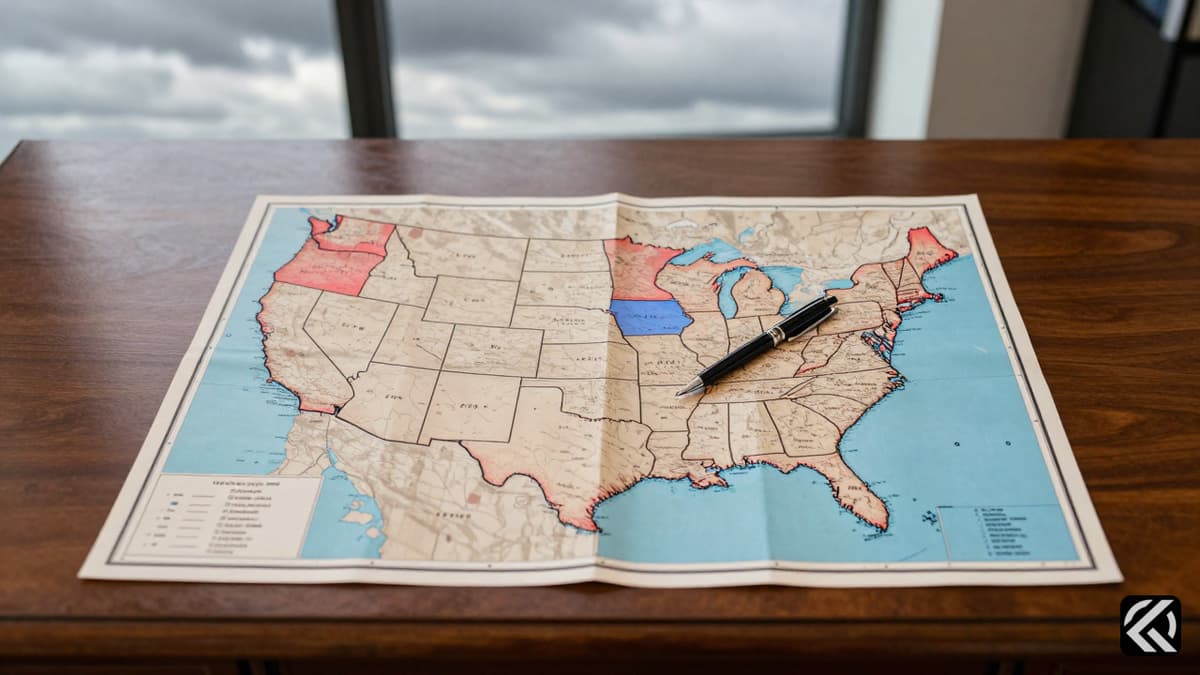
With four weeks left, Democrats target 10 Senate seats, finding hope in red states like Kansas and Texas as Republican spending surges in the final stretch.
The Senate battleground map is expanding rapidly as Election Day approaches, with Democrats gaining traction in states that voted heavily for President Donald Trump in 2024. For the first time this year, CNN’s list of Senate seats most likely to flip has grown from nine to ten, notably including Kansas, a state that has not elected a Democratic senator in 94 years. New polling data indicates Democratic leads or competitive standing in red states such as Ohio, Alaska, and Texas. To secure control of the upper chamber, Democrats must pick up four Republican-held seats while successfully defending three of their own, including the race in Michigan.
President Trump currently holds a 34% approval rating according to CNN’s Poll of Polls, fueled by public frustration over the economy and the war he initiated against Iran. This political headwind is reflected in surging Democratic enthusiasm during special elections and early signs of heightened voter turnout. Despite these favorable national trends, Democrats face a significant financial challenge. Republicans are poised to outspend them on advertising in eight of the ten most competitive races from the start of October through Election Day, according to AdImpact. While GOP-aligned outside groups must spend more on ratings points, their overall financial advantage remains substantial.
North Carolina stands as the most critical contest on the current map. Democratic former Governor Roy Cooper has established a strong lead over Republican nominee Michael Whatley, a former RNC chairman and Trump ally. Cooper has centered his campaign on affordability issues, a strategy resonating with voters. An Elon University/YouGov poll released last month showed Cooper leading by 11 points among likely voters. The political pressure is visible in the Republican playbook, with the Senate Leadership Fund pausing its ad campaign and outside groups cutting over $15 million in remaining ad bookings. Despite this pullback, Trump campaigned with Whatley in North Carolina, attempting to energize his base in a state he won three times.
Ohio has moved up two spots on the flip list, bolstered by former Senator Sherrod Brown’s strong polling position. Brown, who lost his previous reelection bid by less than four points, currently leads GOP Senator Jon Husted in most surveys. A New York Times/Siena University poll conducted at the end of September placed Brown at 49% and Husted at 46%, a margin within the survey's error rate. Another Marist poll showed Brown up eight points among registered voters. Brown’s favorability stands at 46% compared to Husted’s 37%, likely due to Brown’s longer history with Ohio voters versus Husted, who was appointed to fill JD Vance’s seat.
Brown’s attacks on Husted regarding data centers have proven potent, with Republicans warning the issue is an anchor on Husted’s campaign. Senate Democrats recently blocked a Husted-sponsored bill related to data center energy costs. Meanwhile, Trump defended data centers during a campaign stop in southwestern Ohio, contradicting his general opposition to pausing their construction. Brown’s campaign has also released digital ads featuring voters reacting to Husted’s past comments about people in poverty, while Republicans have attacked Brown on transgender politics. However, with Republicans set to spend over $80 million in the state compared to Democrats’ $50 million, the race remains tightly contested.
Alaska presents a unique challenge due to its ranked-choice voting system and difficult polling environment. A recent NYT/Siena poll of likely voters showed Democrat Mary Peltola leading GOP Senator Dan Sullivan by seven points, 50% to 43%. The ballot includes two candidates named Dan Sullivan, a detail Republicans fear could confuse voters. Peltola, a former congresswoman, has maintained distance from national Democratic figures to avoid being tied to "lower-48 liberals." She quickly praised Trump’s announcement of a $54 billion investment in the Alaska LNG pipeline, highlighting her willingness for bipartisan work. While her demeanor has faced scrutiny, her campaign and colleagues emphasize her personal struggles following the deaths of her mother and husband in 2023.
Maine’s race has dropped two spots on the list but remains fiercely competitive. Republican Senator Susan Collins faces Democrat Troy Jackson, with a University of New Hampshire poll showing Jackson leading 51% to 47%. Collins remains vulnerable, particularly due to her alignment with Trump on key votes, despite her independent stances on tariffs and the Iran war. Democrats have seized on allegations of a pay-to-play scheme during Collins’ 2020 campaign, which she denies. Republicans are countering with ads highlighting her legislative accomplishments and attacking Jackson on tax policy and corruption. The two candidates will hold four debates over ten days starting Tuesday.
Texas has surged two spots on the rankings, driven by Democrat James Talarico’s unexpected strength in the race against Texas Attorney General Ken Paxton. A NYT/Siena poll showed Talarico leading Paxton 51% to 45%, while a Fox News poll showed a virtually dead heat at 51% to 49%. Democrats believe Talarico’s broad appeal and the leftward shift of Latino voters offer their best chance in decades. Paxton relies on Republican base turnout, with Trump actively campaigning for him by mocking his appearance and framing him as a conservative fighter.
The shift in the Democratic Senate majority ambitions highlights a pivotal moment in American politics. With Trump’s approval ratings low and economic dissatisfaction high, Democrats have identified Kansas, Alaska, and Maine as viable targets. However, the massive financial disparity poses a threat to these gains. Republicans are leveraging their fundraising advantage to tighten races in Ohio and Texas, where spending could neutralize Democratic polling leads. The outcome will likely depend on whether Democratic enthusiasm can overcome GOP advertising dominance in these red-leaning states. If Democrats succeed in flipping four seats, including the difficult contests in North Carolina and Texas, they will reclaim the Senate. Failure to secure these seats, particularly in the high-spending environments of Texas and Ohio, could leave the chamber under Republican control for another term. The final month will test the resilience of Democratic campaigning against unprecedented Republican financial power.
Oct 6, 2026 02:48 UTC
Yemen Forces Recapture Mocha in Major Counteroffensive
Oct 6, 2026 00:07 UTC
Teen Loses Hand in French School Protest Clashes Amid Escalating Violence
Oct 5, 2026 22:36 UTC
UAE Shares FlyDubai Crew Data After Pilot Seize Control Attempt
Oct 5, 2026 22:00 UTC
US Withdraws Heavy Bombers From UK Base Amidst Rising Tensions With Iran
Nov 5, 2026 20:16 UTC
Pia Dandiya Claims Landmark Florida Win in 2026 Midterms