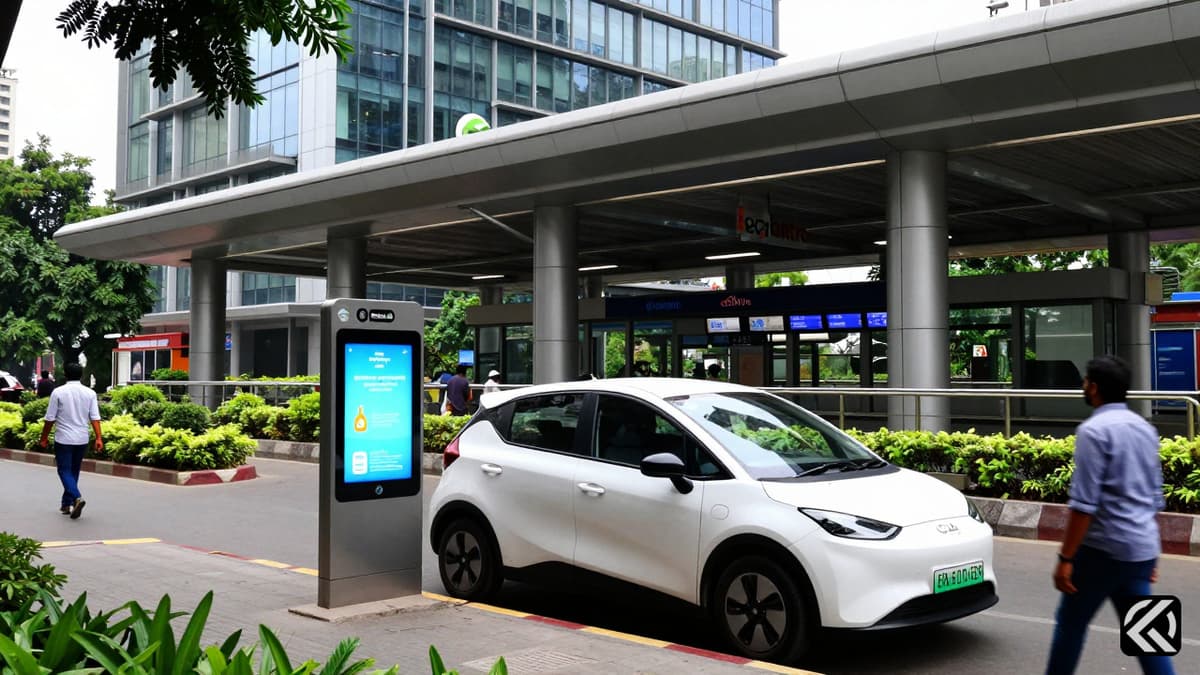
Amid global fuel uncertainty, Delhi Chief Minister Rekha Gupta has introduced sweeping austerity measures, cutting vehicle quotas and promoting public transport to curb consumption.
NEW DELHI: Delhi chief minister Rekha Gupta on Thursday announced a comprehensive suite of austerity measures designed to align with Prime Minister Narendra Modi’s broader initiative for fuel conservation and energy efficiency. This strategic shift comes in response to global uncertainty and escalating concerns regarding the nation's heavy dependence on imported fuels. As part of these new directives, the Delhi government has officially reduced the petrol and diesel quota allocated for officers' vehicles by 20 per cent. Additionally, ministers and government officers have been strictly directed to utilize the Metro system every Monday, a policy now branded as "Metro Monday." The administration further announced that it will voluntarily observe a weekly "No Vehicle Day" to minimize carbon footprints. The chief minister also revealed that the Delhi government will suspend the purchase of any new vehicles for the next six months. To further reduce emissions, government offices will implement work-from-home arrangements for two days a week wherever operational feasibility allows. Departments have been instructed to ensure the minimum possible use of official vehicles during this period.
Addressing a press conference to outline these details, Gupta emphasized that her departments have already initiated reductions in fuel expenses by deploying only the minimum number of vehicles necessary. "Public transport is being used wherever possible," Gupta stated, highlighting the immediate shift in operational culture. She provided specific metrics regarding the new limits, noting that officials’ petrol limits of 200-250 litres per month have been slashed by 20%. Consequently, the new monthly allowance stands at 160 to 200 litres. Gupta confirmed the launch of "Metro Monday," stating, "Every Monday will be 'Metro Monday.'" This policy aims to normalize public transport usage among the political and bureaucratic elite, setting a precedent for the general public.
In a significant symbolic gesture aimed at promoting sustainable mobility, Rekha Gupta personally reduced her official motorcade by nearly 60 per cent. Her new convoy consists of just four vehicles, including two electric vehicles (EVs). This reduction is part of a broader effort to signal the administration's commitment to green practices. The announcements were made just days after Prime Minister Narendra Modi issued seven public appeals urging citizens to reduce their reliance on imported fuel and adopt environmentally responsible habits. These concerns have been heightened by the ongoing conflict in West Asia, which has introduced volatility into global energy markets.
PM Modi, while addressing a gathering in Secunderabad earlier this week, urged citizens to prioritize working from home, cut down on petrol and diesel consumption, and increasingly utilize public transport and carpooling options. He also encouraged the faster adoption of electric vehicles and a shift toward railways for the transportation of goods. Echoing this national message, Gupta urged residents of the national capital to adopt public transport and carpooling wherever feasible. She stressed that these measures are not merely administrative adjustments but part of a larger cultural shift toward responsibility.
In a post on the social media platform X, Gupta clarified the scope of the government's commitment. She stated that the Delhi government, along with ministers, MLAs, officers, and various departments, would use the minimum number of vehicles required for their duties. She further emphasized that the administration prioritizes public transport and shared mobility options to reduce congestion and pollution. Gupta reiterated that the government remains dedicated to making energy conservation a mass movement. She appealed to citizens to actively participate in this effort, noting that individual actions collectively contribute to national security and economic stability.
The introduction of these stringent measures by Delhi CM Rekha Gupta marks a decisive turn in the capital's approach to resource management. By binding political leadership to the same restrictions imposed on the public, the administration aims to normalize frugality. The combination of reduced vehicle quotas, mandatory Metro use, and suspended vehicle purchases creates a multi-layered framework for fuel conservation. As global supply chains remain unstable, these local policies serve as a buffer against potential future price shocks. If adhered to strictly, the reduction in official vehicle usage could lower the capital’s daily fossil fuel demand significantly. The shift toward EVs in government fleets may also accelerate local infrastructure development for charging stations. Ultimately, the success of this initiative will depend on sustained public compliance and the ability of urban planners to support increased public transport ridership without compromising service quality.
Jun 8, 2026 22:55 UTC
Netanyahu Vows Forceful Response to Future Iran Attacks
Join 50,000+ readers getting the global briefing every morning.
No spam. Unsubscribe anytime.
Jun 8, 2026 22:55 UTC
Netanyahu Vows Forceful Response to Future Iran Attacks
Jun 8, 2026 20:56 UTC
Netanyahu Halts Iran Fighting, Vows Future Force
Jun 8, 2026 20:54 UTC
Justice Department Moves to Strip Citizenship from 17 Individuals
Jun 8, 2026 18:37 UTC
Trump Denied War Pledge Despite Clear Campaign Records


