Section
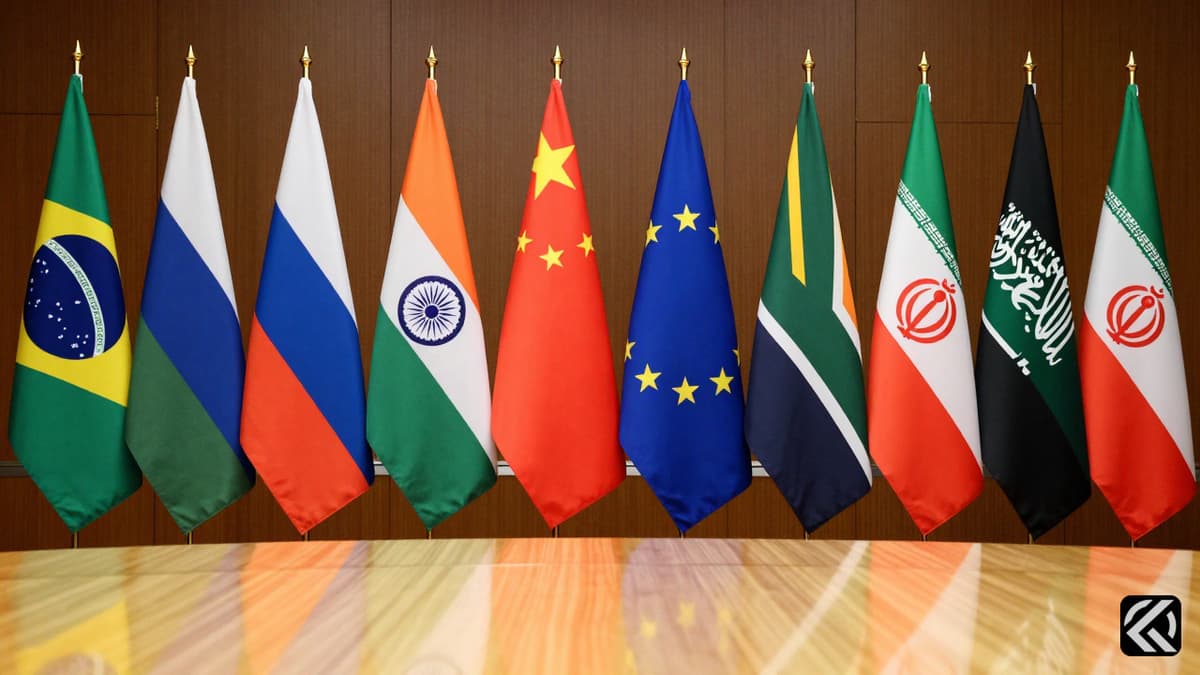
BRICS nations formally reject the EU's carbon border tax as discriminatory, arguing it undermines developing economies while highlighting the critical need for global energy security.
NEW DELHI: The BRICS grouping of emerging economies has formally opposed unilateral trade measures, specifically targeting the European Union’s carbon border adjustment mechanism. In a statement issued on Saturday during the Brics Business Forum 2026, the nations argued that such punitive actions undermine efforts by developing countries aimed at addressing the adverse impacts of climate change. While the member states acknowledged the global necessity to reduce greenhouse gas emissions to meet established climate goals, they firmly rejected the notion that unilateral punitive actions should be linked to achieving these common objectives. Instead, the group pitched for energy security for all nations based on a pragmatic approach, asserting that fossil fuels will continue to play an important role in the world’s energy mix alongside renewable sources and nuclear power.
The European Union’s carbon border adjustment mechanism, which entered its operational regime on January 1, functions as a tool to impose a price on carbon-intensive goods entering the 27 EU nations. This includes products such as iron and steel, aluminium, and cement. The mechanism achieves this by imposing a border tax on these imports. BRICS nations have opposed the proposal since its conception, arguing that this unilateral move places an additional, unfair burden on businesses in developing economies due to the embedded emissions in their products. During the recent forum, Prime Minister Narendra Modi was present with other leaders, reinforcing the collective stance against what they view as protectionist policies.
Without diluting their respective commitments to meet climate action goals under the Paris Agreement, the nations called for greater actions based on equity. They emphasized the United Nations’ principle of common but differentiated responsibilities and respective capabilities, noting the importance of different national circumstances. The group made these points a part of the New Delhi Declaration, labeling the EU’s proposal as “punitive, discriminatory and protectionist measures that are not in line with international law.” This declaration serves as a formal rebuttal to the trade barriers imposed by the EU, framing them not as environmental protections but as economic obstacles that hinder development.
The BRICS nations also highlighted the critical need to enhance energy security by ensuring energy market stability and maintaining undisrupted flows of energy from diverse sources, including fossil fuels. This stance is particularly significant given the composition of the group; four of the BRICS countries-Russia, Saudi Arabia, Iran, and the United Arab Emirates-are among the major global exporters of fossil fuels globally. By advocating for the continued use of these energy sources, the group defends the economic interests of its members while challenging the narrative that immediate fossil fuel elimination is feasible for all nations simultaneously.
Sending a positive signal ahead of COP31, which is scheduled to take place in Turkey in November, the nations called on all countries to uphold their commitment to maintain and scale up efforts to combat climate change. However, they expressed their confidence in multilateralism to address the global challenge, suggesting that global cooperation, rather than unilateral tariffs, is the correct path forward. The group’s position underscores a deep divide in global climate policy between developed economies enforcing strict environmental standards and developing economies seeking growth and energy stability.
The opposition by BRICS nations marks a significant escalation in tensions over climate-related trade policies. By formally labeling the EU carbon border adjustment mechanism as discriminatory, the group signals a potential for retaliatory trade measures or the formation of alternative energy and trade alliances. As COP31 approaches in Turkey, the emphasis on multilateralism suggests that BRICS will intensify diplomatic efforts to reshape international climate agreements. If these nations maintain their unified stance, future negotiations may see a greater focus on differentiated responsibilities and financial support for developing economies, potentially altering the global energy market dynamics and slowing the adoption of unilateral carbon taxes in other regions. The demand for energy security highlights a persistent conflict between immediate economic development needs and long-term environmental sustainability goals, a tension that will likely define international climate diplomacy for years to come.
Oct 6, 2026 02:48 UTC
Yemen Forces Recapture Mocha in Major Counteroffensive
Oct 6, 2026 00:07 UTC
Teen Loses Hand in French School Protest Clashes Amid Escalating Violence
Oct 5, 2026 22:36 UTC
UAE Shares FlyDubai Crew Data After Pilot Seize Control Attempt
Oct 5, 2026 22:00 UTC
US Withdraws Heavy Bombers From UK Base Amidst Rising Tensions With Iran
Nov 5, 2026 20:16 UTC
Pia Dandiya Claims Landmark Florida Win in 2026 Midterms