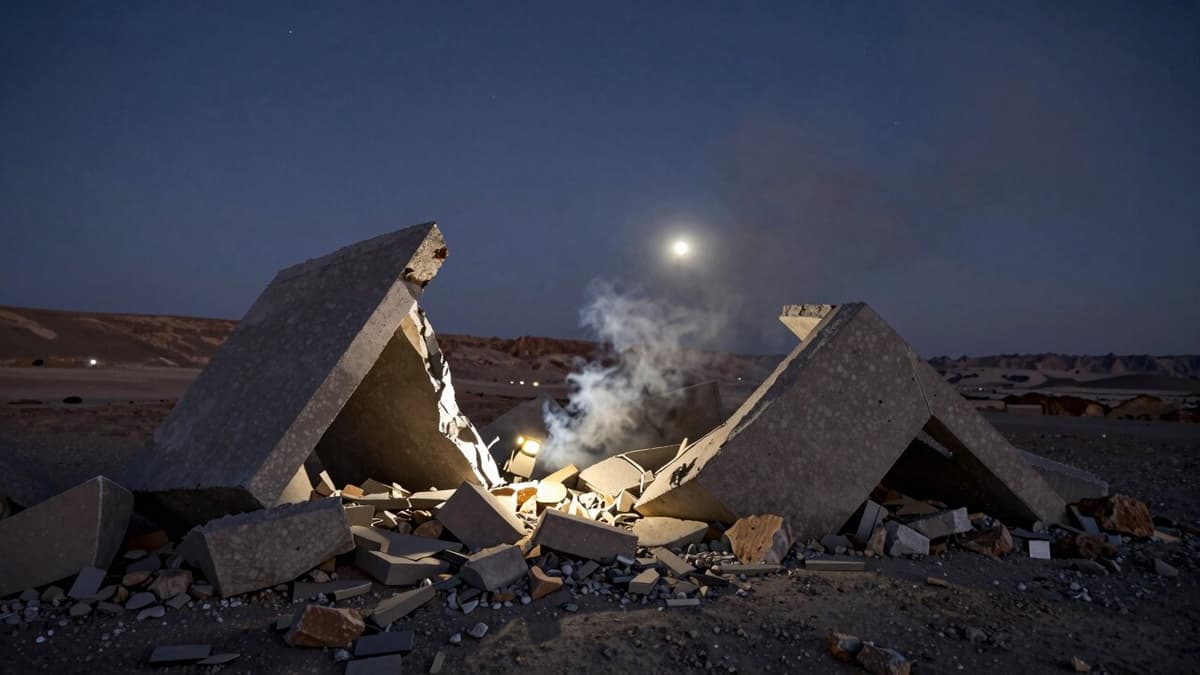
Iranian missiles strike Dimona nuclear site, wounding 180. Natanz facility hit earlier. UN confirms no radiation leak.
Israeli missile air defenses failed for the first time in the vicinity of a nuclear research facility late on Saturday, as Iranian missiles struck two communities in southern Israel. The dual attacks left buildings shattered and caused at least 180 injuries, according to the Israeli Ministry of Health. This significant escalation occurred just hours after Iran's main nuclear enrichment facility at Natanz was hit earlier in the day.
The military confirmed that missiles hit the southern cities of Dimona and Arad, located near Israel's nuclear research centre in the sparsely populated Negev desert. The Israeli military stated it was unable to intercept these projectiles, marking the first time Iran missiles had successfully penetrated Israel's air defence systems in the area surrounding the nuclear site. Dimona sits approximately 20km west of the nuclear research centre, while Arad is located around 35km to the north.
Israel denied responsibility for the strike on the Natanz facility, which is situated nearly 220km southeast of Tehran. This denial follows previous instances where the location was targeted during the first week of the war and during a 12-day conflict last June. The Pentagon declined to comment on the strike at the Iranian enrichment site, leaving the attribution of that specific attack ambiguous. Meanwhile, the Russian Ministry of Foreign Affairs spokesperson, Maria Zakharova, warned that such strikes posed a "real risk of catastrophic disaster throughout the Middle East."
Despite the severity of the ground-level damage and the breach of air defenses, international nuclear monitoring has not detected a radiological consequence. The UN nuclear watchdog issued a statement on X confirming it had not received reports of damage to the Israeli centre or abnormal radiation levels. This statement provides a crucial contrast to the physical destruction witnessed on the ground.
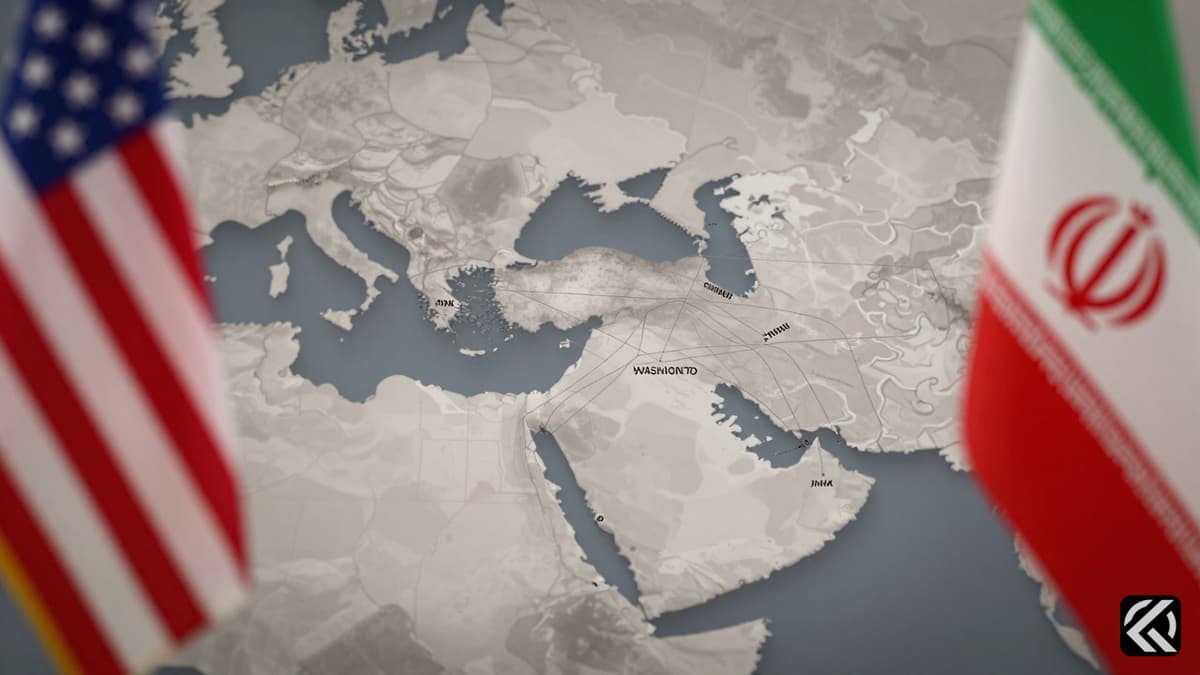
Dimona is widely believed to be the only Middle East nation with nuclear weapons, although its leaders continue to refuse confirmation or denial of their existence. The proximity of the missile strikes to this sensitive site has heightened regional tensions. The events on Saturday represent a complex escalation involving retaliation, denial, and the potential for broader regional instability.
The failure to intercept the projectiles has exposed vulnerabilities in the defense network surrounding critical national infrastructure. The fact that the strikes occurred in a sparsely populated desert region near a high-profile facility underscores the specific targeting of the area. The lack of radiation reports offers a temporary reprieve from the worst-case scenario described by Russian officials. However, the physical destruction and the wounding of civilians signal a shift in the nature of the conflict.
The Dimona nuclear site remains the focal point of the latest violence. The strikes on Dimona and Arad, occurring so close to the facility, have intensified scrutiny on the security of Israel's nuclear assets. The UN's confirmation that radiation levels remain stable suggests the facility itself may have avoided direct hits, even as the surrounding communities suffered significant damage. This distinction is vital for assessing the immediate safety of the region.
The situation near the Dimona nuclear site underscores a volatile shift in regional security dynamics. With the first successful penetration of air defenses near a nuclear facility, the potential for miscalculation has risen sharply. The denial of responsibility for the Natanz strike complicates the narrative, potentially fueling further cycles of retaliation. If such breaches continue without a de-escalation mechanism, the risk of a catastrophic disaster, as warned by Russian officials, could transition from a theoretical threat to a tangible reality, fundamentally altering the geopolitical landscape of the Middle East.
May 7, 2026 13:16 UTC
Rubio Meets Pope as Iran Weighs US War Proposal
Join 50,000+ readers getting the global briefing every morning.
No spam. Unsubscribe anytime.
May 7, 2026 11:58 UTC
Operation Sindoor: One Year Since Pahalgam Attack and Military Response
May 7, 2026 11:10 UTC
Iran War Forces Strait of Hormuz Control Amid Oil Price Volatility
May 7, 2026 09:44 UTC
Suvendu Adhikari's Aide Shot Dead in West Bengal Election Violence
May 7, 2026 07:45 UTC
Tamil Nadu Assembly Election: TVK Chief Minister Race Intensifies