Amidst rising tension and opposition protests, the government promises a fair delimitation exercise. New data reveals a significant increase in southern representation in the Lok Sabha.
The hum of anticipation and unease dominated the Lok Sabha during the special parliamentary session, setting a tense tone as the debate over India's representational future reached its peak. Leading this charge, Prime Minister Narendra Modi and Union Home Minister Amit Shah brought the critical issue of delimitation to the floor. Simultaneously, they tabled the Women's Reservation Bill, which promises a 33% quota for women and positions it as a vital step toward expanding representation within the world's largest democracy.
In response, the Opposition struck a discordant note, with leaders such as Priyanka Gandhi and Akhilesh Yadav sharply questioning the BJP's strategic approach. They warned against a sweeping overhaul of the Parliament's representational framework, creating a stark contrast with the government's narrative. Seeking to quell the mounting concerns radiating from southern states, both PM Modi and Amit Shah firmly assured the Lok Sabha that no injustice would be inflicted upon the region during the proposed exercise. This reassurance arrived even as the DMK led strong protests in Chennai, with demonstrators raising slogans and burning copies of the proposed bill to signal their deep-seated fears.
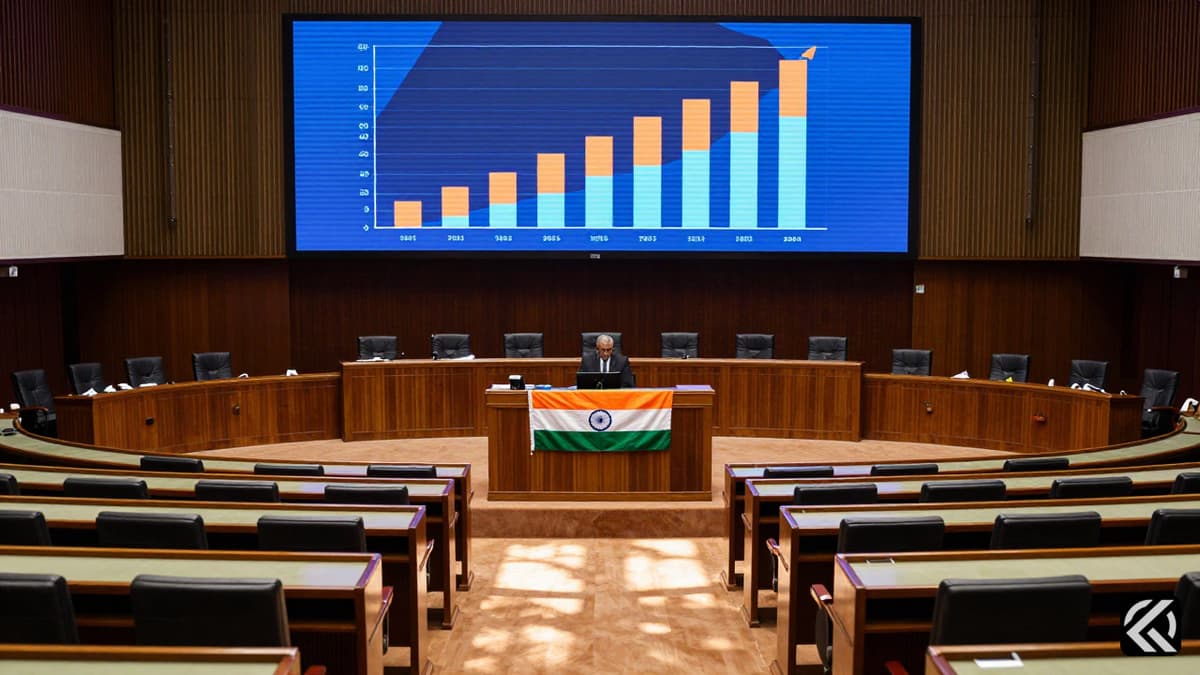
Addressing the House, Amit Shah dismissed the prevailing fears of the South losing representation as "completely false." He asserted that the exercise would, in fact, expand both the number of seats and the political influence of the region. "The number of seats will go up and power will grow," Shah declared, outlining a specific breakdown for the five southern states. He stated that Lok Sabha representation for these states would surge from the current 129 seats to a projected 195, with their overall share rising marginally from 23.76% to nearly 24%.
The detailed projection for each state reveals the specific shifts in power and presence. Karnataka, currently holding 28 Lok Sabha seats which account for 5.15% of the House's strength, is projected to see its seat count rise to 42. However, despite the numerical increase, its overall share is expected to marginally dip to 5.14%. Meanwhile, Andhra Pradesh has 25 seats at present, making up 4.60% of the Lower House. Following the proposed expansion, its tally is likely to increase to 38 seats, with its share rising slightly by around 0.05 percentage points.
Telangana currently holds 17 seats in the Lok Sabha. Post-delimitation, its strength is expected to increase to 26 seats, with its share in the House projected to edge up from 3.13% to 3.18%. Tamil Nadu, identified as one of the largest contributors to the Lok Sabha, currently sends 39 MPs, holding a 7.18% share. After delimitation, its seat count could rise significantly to 59, pushing its share up slightly to 7.23%. Finally, Kerala currently elects 20 MPs to the Lok Sabha. This number is expected to increase to 30 after delimitation, though its share in the House is likely to remain almost unchanged, dipping marginally from 3.68% to 3.67%.
The government's push to finalize Lok Sabha seat allocation comes amidst a backdrop of intense political maneuvering. While the administration argues that the numbers justify a fair distribution, the visible resistance in the south suggests that the perception of fairness remains a contentious issue. The debate has moved beyond mere numbers to questions of regional identity and the future of federal balance.
As the delimitation exercise moves forward, the data indicates a clear shift in the political weight of the southern region, with a net addition of 66 seats across the five states. While the government maintains that this expansion is a net positive for the country's democracy, the immediate reaction from southern political leaders and the public remains one of skepticism. The burning of bills in Chennai serves as a stark reminder that the mathematical certainty of new seats does not automatically translate to political reassurance. If this trend continues, the southern states will hold a slightly larger share of the total Lok Sabha strength, potentially altering the dynamics of national governance, though the slight dips in percentage shares for states like Karnataka and Kerala suggest that population shifts within the country are playing a role in these recalculations. The ultimate impact will be tested in the elections leading up to 2029, where the promised 33% quota for women and the revised seat distribution will converge to define the next era of Indian politics.
Jun 8, 2026 02:17 UTC
Magnitude 7.8 Quake Shakes Philippines, Urging Immediate Evacuations
Join 50,000+ readers getting the global briefing every morning.
No spam. Unsubscribe anytime.
Jun 8, 2026 02:17 UTC
Magnitude 7.8 Quake Shakes Philippines, Urging Immediate Evacuations
Jun 8, 2026 00:51 UTC
Trump Claims Iran Nuclear Deal Imminent Despite Diplomatic Fractures
Jun 8, 2026 00:47 UTC
Iran Fires Missiles at Israel After Beirut Strike
Jun 7, 2026 22:38 UTC
Congress Party Claims Unity for INDIA Bloc Delhi Meeting