Section
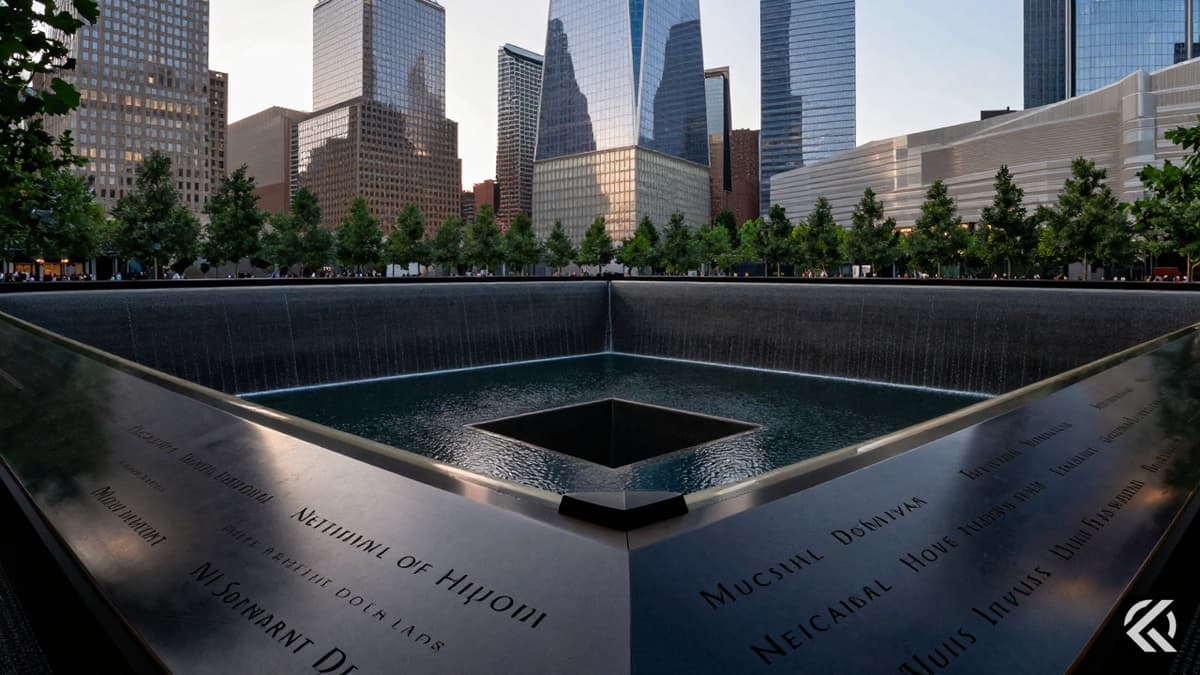
Leaders and citizens remember the 2,977 victims of the 9/11 attacks as the US reflects on the historic anniversary, releasing new intelligence documents and honoring heroes.
On this solemn Monday, the United States commemorated the 25th anniversary of the deadliest terrorist attack in its history, honoring the 2,977 innocent souls who perished. The nation reflected on the dark chapter that began with the 9/11 attacks, marking a quarter-century of remembrance and resilience.
The day’s observances were marked by a convergence of historical revelation and emotional tribute. In a significant move for transparency, the CIA released 71 President’s Daily Briefs created between 1998 and December 12, 2001. These documents, previously among the most secretive in the US intelligence community, reveal the growing alarm over the threat posed by al-Qaeda. The briefings show that intelligence officials were already tracking Osama bin Laden, who was well-known to US officials following the 1998 embassy attacks in Kenya and Tanzania. While earlier documents broadly assessed bin Laden as a threat, the urgency increased over time. An August 2001 document explicitly noted bin Laden was "determined" to attack the US. The final briefing, issued the day after the attacks, noted the assault was likely "widely known" in extremist circles.
In Pennsylvania, Governor Josh Shapiro spoke at the Flight 93 National Memorial in Stoystown. He described the passengers of the hijacked plane as "heroes" and "ordinary Americans who did an extraordinary thing." Shapiro emphasized that these individuals did not wake up expecting to be on the frontline of a war but did not let fear control them. Their actions, by storming the cockpit and causing the plane to crash into an empty field, saved "countless lives." Shapiro noted that their heroism "inspired a nation" and serves as a powerful reminder of a painful period in American history.
The release of the CIA documents complements the ongoing reconstruction of the site known as Ground Zero. The World Trade Center has been reborn as a hub for technology, finance, and culture. One World Trade, standing 1,776ft tall, houses firms like Condé Nast. Seven World Trade, the first tower rebuilt, is home to Moody’s. Two World Trade, currently under construction, will serve as the global headquarters for American Express. The site now includes the Perelman Performing Arts Center and the Oculus transit hub.
President George W. Bush, who attended a ceremony in New York, reflected on the day’s events from his time at Emma E. Booker Elementary School in Sarasota, Florida. Video from the day captures Chief of Staff Andrew Card whispering, "A second plane hit the second tower. America is under attack." Bush’s demeanor shifted from cheerful to still as he processed the news in front of first graders. He later addressed the nation from the school’s gym, stating, "Terrorism against our nation will not stand."
Political figures worldwide joined the commemoration. Former Vice-President Mike Pence and former Secretary of State Hillary Clinton honored the victims. Clinton noted that the consequences of the attacks have continued for 25 years, emphasizing the need to inform younger generations. Former UK Prime Minister Tony Blair stated in a video that "that day changed the world" and added that the struggle against terrorism continues.
The reconstruction also includes St. Nicholas Greek Orthodox Church, the only house of worship destroyed in the attacks. Designed by architect Santiago Calatrava and inspired by the Hagia Sophia, the new church sits in Liberty Park overlooking the memorial plaza. It is described as a "spiritual beacon of hope and rebirth," open to all to light candles in remembrance.
The historical context of this tragedy extends back to 1993, when the first attack on the World Trade Center occurred. A rental van explosion injured many and killed six people. The arrest of Mohammad Salamah led to the conviction of five other plotters, including Ramzi Yousef, who planned to topple the towers. Yousef’s uncle, Khalid Sheikh Mohammed, is scheduled to stand trial for his role in the 2001 attacks in June 2028.
As the 25th anniversary concludes, the focus remains on the enduring impact of those events. The release of the briefings and the completion of new structures serve as tangible reminders of the past. The nation continues to balance commemoration with the ongoing reality of global security challenges.
The combination of historical transparency through released documents and the physical reconstruction of the site illustrates a complex journey of healing. The continued operation of new commercial hubs alongside solemn memorials suggests a long-term strategy of integrating memory with economic vitality. As trials for remaining conspirators approach, the focus will likely shift toward legal closure, while the memorial sites ensure that the lessons of the attacks remain visible to future generations.
Oct 6, 2026 02:48 UTC
Yemen Forces Recapture Mocha in Major Counteroffensive
Oct 6, 2026 00:07 UTC
Teen Loses Hand in French School Protest Clashes Amid Escalating Violence
Oct 5, 2026 22:36 UTC
UAE Shares FlyDubai Crew Data After Pilot Seize Control Attempt
Oct 5, 2026 22:00 UTC
US Withdraws Heavy Bombers From UK Base Amidst Rising Tensions With Iran
Nov 5, 2026 20:16 UTC
Pia Dandiya Claims Landmark Florida Win in 2026 Midterms