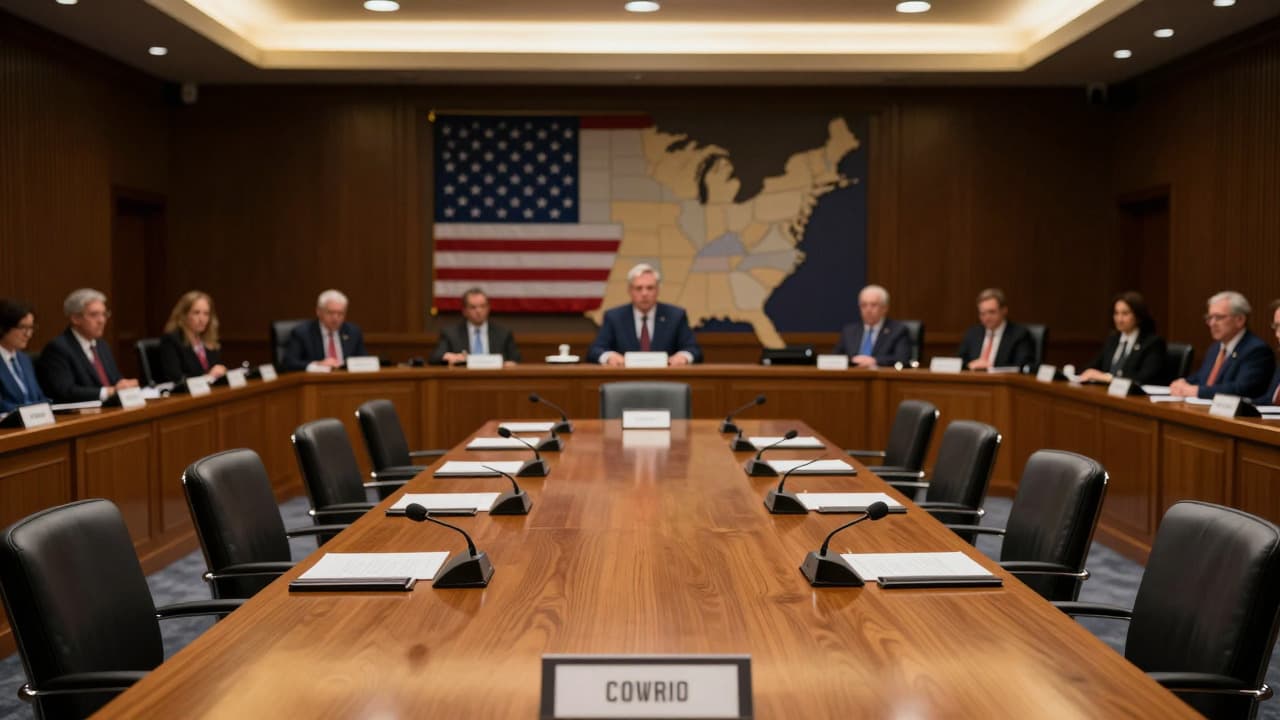
Tensions rise within the House as Republican lawmakers grow skeptical of the Trump administration's handling of the Iran war, citing a critical lack of strategic details during recent briefings.
House Republicans are growing increasingly wary of the US war with Iran following a closed-door briefing on Wednesday where Department of Defense officials failed to satisfy key lawmakers regarding the conflict's scope. Members of the House Armed Services Committee left the meeting unsatisfied with the information provided, citing a distinct lack of clarity on the war's objectives, duration, and the potential deployment of military troops to Iranian soil.
The session highlighted emerging cracks within the GOP as the war enters its fourth week and a major funding request approaches. During the briefing, both Democratic and Republican lawmakers pressed Pentagon officials on the Trump administration's overall strategy and end game. Despite the administration's claims of transparency, many Republicans walked away with the feeling that they were misled. Representative Nancy Mace described the experience as exasperating, noting that the briefing lacked sufficient answers to critical questions about the conflict's timeline.
The reaction to the Wednesday session underscores a shifting dynamic within the congressional Republican caucus. Several lawmakers have explicitly stated they will refuse to support additional funding for the war without a clear White House strategy. House Armed Services Chairman Mike Rogers described the atmosphere as one of "frustration on both sides of the aisle" in recent briefings. Rogers emphasized that members did not receive adequate information regarding plans for ground troops, the ultimate end goal, or the expected price tag of the ongoing operation.
"They're moving troops into the CENTCOM and the combatant command, and we want to know more about what options they're considering. And we aren't given any details," Rogers stated. He noted that while the administration finally began sending briefers to Capitol Hill, the quality of information remained insufficient. "This is one in a series where we feel like the administration needs to be more forthcoming when they send folks over here," Rogers added, though he expressed hope that future briefings would yield better results after the concerns were conveyed to Pentagon officials.
Representative Nancy Mace took a more confrontational approach, describing how she stormed out of the briefing. She told CNN that she would vote "no" on any requests for additional funding until she receives concrete answers regarding how long the US may be engaged in the conflict. Mace argued that the entire committee had been misled and that the lack of answers would erode support further. "Every day this drags on the less support on the Republican side," she said, suggesting that if all lawmakers heard the Wednesday briefing, they would universally oppose further funding.
In response to the growing criticism, White House spokesperson Anna Kelly defended the administration's efforts. Kelly stated that the Trump administration has briefed Congress throughout Operation Epic Fury, noting that the Department of State, Department of War, and Intelligence Community have conducted 20 bipartisan briefings since military action began, including two specifically for the House Armed Services Committee. She asserted that the President's team is committed to continuing to work with Congress while focusing on Trump administration goals, which include demolishing the Iranian regime's ballistic missile capabilities, navy, proxy arms, and nuclear ambitions.
While the majority of House members expressed dissatisfaction, not all reactions were negative. Representative Clay Higgins described the briefing as the "most contentious" he had seen in the committee, though he personally felt the Pentagon officials were professional. Higgins argued that some members entered the room determined not to be satisfied and noted that certain Democratic questions appeared designed to be unanswerable. Similarly, Representative Ronny Jackson suggested that some colleagues wanted the Pentagon representatives to elaborate further on topics they believed they were restricted from discussing.
House Speaker Mike Johnson also weighed in to defend the administration, asserting that members have received classified briefings and are privy to all necessary information. He questioned how much more transparent the administration could possibly be given the sensitive nature of the operation. In contrast, members of the Senate Armed Services Committee appeared less agitated by the information provided. Senator Mike Rounds stated that while they always want more information, the data received was helpful and they continued to remind officials of their oversight responsibilities. Senator Dan Sullivan expressed satisfaction with the progress reported, stating he had "no doubt it was accurate" regarding the achievement of the President's defined objectives.
The current standoff marks a pivotal moment in the Trump administration's legislative battle to sustain the Iran war. With the House Republicans, led by voices like Mace and Rogers, signaling a potential refusal to fund future operations, the administration faces a critical hurdle as the conflict extends into its fourth week. If the pattern of skepticism continues to solidify, the administration may struggle to secure the necessary financial backing required to maintain the current military posture. The divergence between the House's demand for explicit strategic details and the administration's reliance on classified or broad briefing formats suggests that the path to a prolonged military engagement is becoming increasingly uncertain within the US government.
Mar 26, 2026
Iran Rejects Trump Ceasefire, Demands Sovereignty as War Escalates
Mar 26, 2026
Iran Sets Conditions, Rejects U.S. Proposal as Iran-Israel War Rages
Mar 26, 2026
US Proposes 15-Point Deal for Iran War Ceasefire Amidst Escalating Conflict
Mar 26, 2026
Iran Denies US Talks as Trump War Plan Unfolds
Mar 26, 2026
Iran Rejects US Peace Offer, Demands Hormuz Sovereignty as War Rages