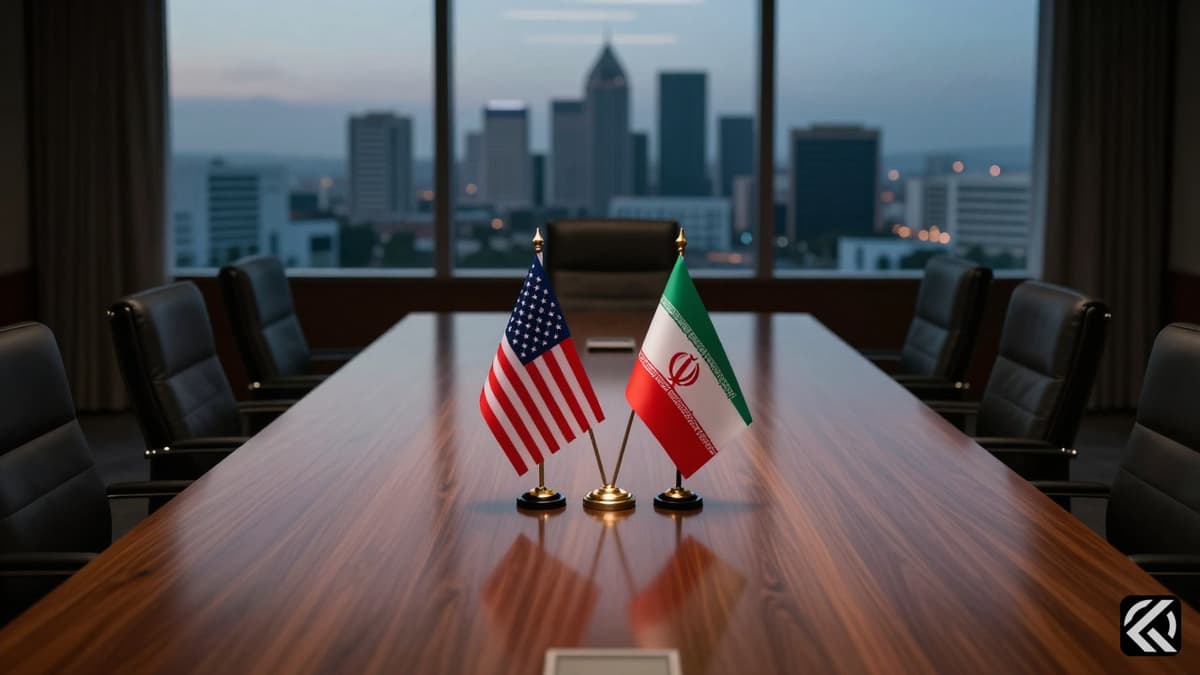
Historic negotiations in Pakistan collapse after a grueling 21-hour session, leaving the global energy market in uncertainty as the two nations remain entrenched on nuclear issues.
The historic U.S.-Iran peace talks concluded without an agreement after 21 hours of face-to-face negotiations in Islamabad, Pakistan, on Sunday, April 12, 2026. U.S. Vice-President J.D. Vance departed the region immediately following the breakdown in dialogue.
The collapse of these talks has sent shockwaves through the diplomatic community, primarily because the negotiations were intended to end the ongoing conflict in West Asia. The primary point of contention, which ultimately prevented a breakthrough, was Tehran's insistence on retaining its Iran nuclear program. Despite the high stakes and the intensity of the two-day-long session, neither side could bridge the gap on this specific security issue.
The immediate reaction to the failure is a surge of skepticism regarding the fragile two-week ceasefire that had been in place between the conflicting parties. Observers and analysts alike are now questioning whether this temporary pause in hostilities was sufficient to facilitate a lasting peace or if it merely delayed the inevitable return to conflict. The inability to conclude a deal so soon after the ceasefire was established suggests that the underlying tensions remain deeply rooted and resistant to the diplomatic pressure applied during the talks.
Furthermore, the global energy market is now facing a renewed wave of uncertainty. A critical component of the proposed agreement involved the reopening of the Strait of Hormuz, a strategic waterway essential for the stabilization of global oil and gas supplies. With the agreement now off the table, the prospect of securing this vital maritime route has dimmed, raising fears of continued disruptions to energy flows. The region's instability is directly linked to the geopolitical status of this strait, and without a resolution, the flow of energy remains precarious.
The Iran nuclear program emerged as the definitive stumbling block during the 21-hour marathon session. While the specific details of the negotiations remain internal, the public outcome confirms that the U.S. position demanded a renunciation of the program by Tehran as a non-negotiable condition for peace. Tehran, however, reportedly did not forgo the program, effectively killing the prospect of an accord.
This refusal highlights the deep mistrust that has characterized relations between the two nations for decades. The U.S. delegation, led by Vice-President Vance, was likely hoping to leverage the urgency of the West Asia conflict to secure concessions that had previously been unattainable in the absence of a broader regional war. The failure to extract a commitment on the nuclear file underscores the complexity of the situation, where immediate conflict resolution is inextricably linked to long-standing security concerns.
The departure of Vance marks the end of the direct U.S. intervention phase of these talks, at least for the immediate future. His exit signals that without a change in Tehran's stance or a significant shift in the U.S. negotiating strategy, the window for a diplomatic solution is closing. The international community now faces the daunting task of assessing the viability of the existing ceasefire in light of these failed negotiations.
The implications of this failure extend far beyond the immediate border disputes between the two nations. The potential reopening of the Strait of Hormuz was widely viewed as a critical step toward calming global markets and ensuring energy security. With the talks concluding without a deal, the likelihood of this strategic waterway reopening in the near term has diminished significantly.
If the Strait of Hormuz remains closed or restricted, the global economy stands to suffer immediate and severe repercussions. Energy prices are likely to spike, causing inflationary pressures worldwide and potentially triggering economic instability in importing nations dependent on Middle Eastern oil. The failure to secure a deal suggests that the current trajectory of the West Asia conflict remains on a path of continued volatility, with no immediate diplomatic off-ramp in sight.
Looking ahead, the fragile two-week ceasefire appears increasingly tenuous. Without a framework for a broader peace deal that addresses the core nuclear concerns, the risk of the ceasefire breaking down is high. The international community must now grapple with the reality that the diplomatic process, while active, has reached a temporary stalemate. The future of peace in West Asia and the stability of global energy markets now hang in the balance, dependent on whether either side can alter their positions in the wake of this historic disappointment.
Jun 8, 2026 02:17 UTC
Magnitude 7.8 Quake Shakes Philippines, Urging Immediate Evacuations
Join 50,000+ readers getting the global briefing every morning.
No spam. Unsubscribe anytime.
Jun 8, 2026 02:17 UTC
Magnitude 7.8 Quake Shakes Philippines, Urging Immediate Evacuations
Jun 8, 2026 00:51 UTC
Trump Claims Iran Nuclear Deal Imminent Despite Diplomatic Fractures
Jun 8, 2026 00:47 UTC
Iran Fires Missiles at Israel After Beirut Strike
Jun 7, 2026 22:38 UTC
Congress Party Claims Unity for INDIA Bloc Delhi Meeting


