A plane bound for Indian humanitarian aid delivery was reportedly struck by US forces in Iran, sparking new fears in a war zone already tense over energy markets and diplomatic failures.
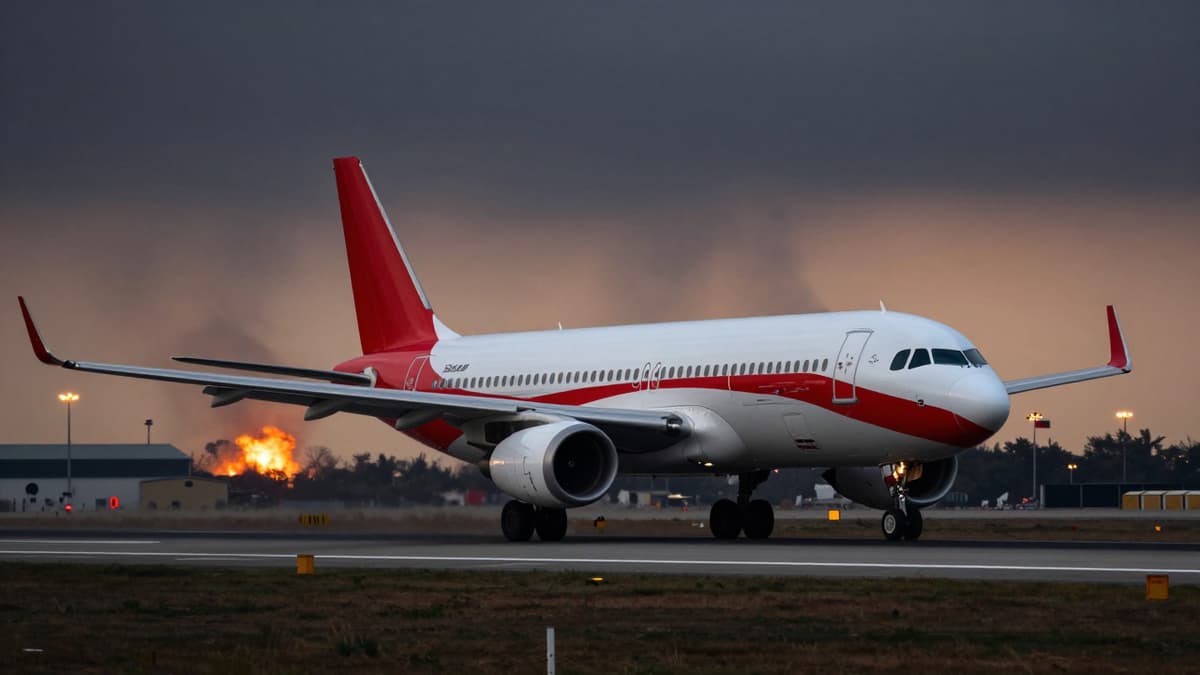
A commercial aircraft bound for India to transport vital humanitarian aid was reportedly targeted by a US airstrike at Mashhad Airport, according to Iranian sources. The incident marks a sharp escalation in the ongoing conflict between the US, Iran, and Israel, occurring just weeks after the first Indian aid shipment was delivered. This event has sent shockwaves through the region, further straining an already fragile healthcare system in Iran and rattling global energy markets.
According to reports cited by ANI, the aircraft in question belonged to Mahan Air and was scheduled to fly to Delhi to collect supplies, including essential medicines. The plane was reportedly hit during a US operation just as it prepared for the humanitarian mission. This attack follows a recent delivery of aid received by the Iranian Red Crescent Society, which was part of India's initial assistance package. The timing underscores the dangerous environment in which relief efforts are currently operating, as the nation grapples with casualties and systemic pressure.
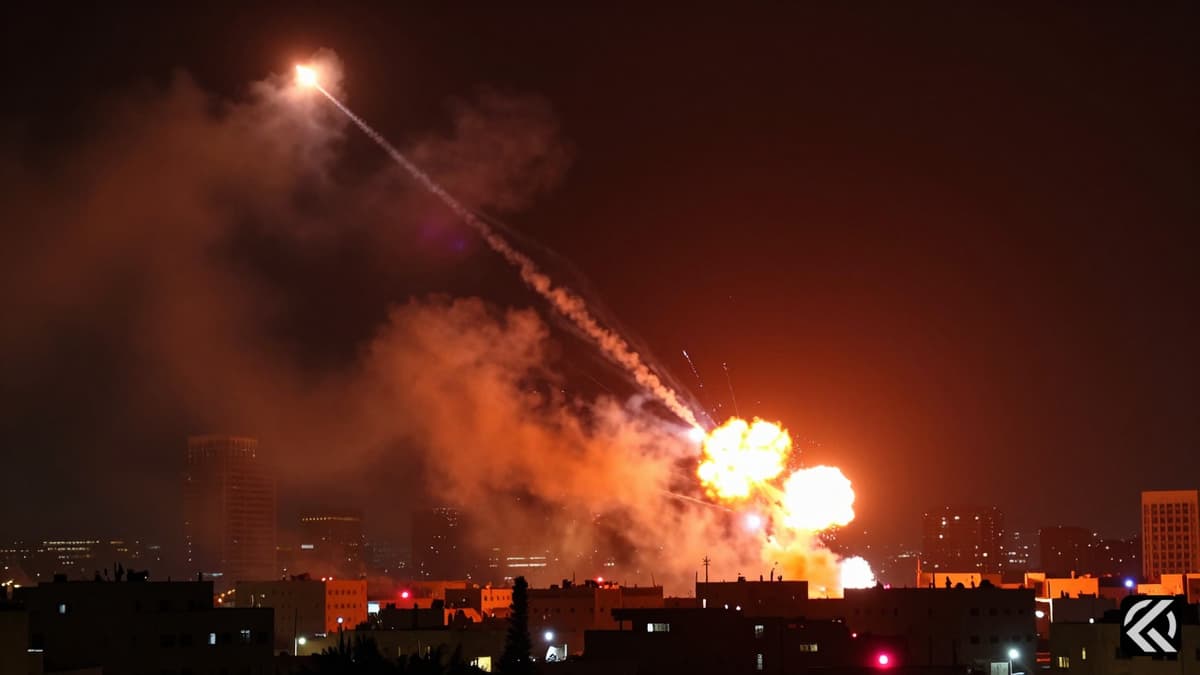
In the broader context of the war, which has evolved into a multi-front confrontation involving missile attacks and expanding regional fallout, the targeted flight symbolizes the deepening crisis. Iran continues to deny participation in mediation initiatives, including those proposed by Pakistan, while simultaneously launching retaliatory attacks on infrastructure in Israel and Gulf states. To underscore its resolve, Iran recently launched missiles toward Israel carrying messages of gratitude to supporters, specifically acknowledging the people of India for their assistance.
The situation has drawn sharp responses from US leadership, with former President Donald Trump issuing a stark warning regarding Iran's control over critical waterways. On Truth Social, Trump stated that the United States is in serious discussions with a "NEW, AND MORE REASONABLE, REGIME" to end military operations. He warned that if a deal is not reached and the Strait of Hormuz is not immediately opened for business, the US would conclude its "stay" in Iran by destroying key energy infrastructure.
Trump explicitly threatened to "blow up and completely obliterate all of their Electric Generating Plants, Oil Wells and Kharg Island," adding that desalination plants could also be targeted. He framed these potential actions as retribution for soldiers killed by the previous regime over its 47-year "Reign of Terror." Despite these threats, the US and Israel have maintained military pressure on Iranian targets while signaling that negotiations are still possible, creating a volatile mix of force and diplomacy.
The impact of these hostilities is already being felt globally. The escalating conflict has rattled energy markets, with rising oil prices driven by the pervasive fear of disruption in the Strait of Hormuz. As the US and Israel sustain pressure, the Mahan Air airstrike has added a layer of complexity to the humanitarian landscape, raising serious concerns about the safety of aid flights in a zone of active warfare. The US has purposefully held back from attacking certain infrastructure, but the threat of doing so remains a central point of tension in the negotiations.
Iran's stance remains firm as it rejects external mediation while continuing its own offensive operations. The denial of mediation talks, coupled with retaliatory strikes on regional infrastructure, indicates a deepening rift that diplomatic channels have struggled to bridge. As the US threatens total destruction of energy assets, the world watches a region teetering on the brink of a broader disaster, with the fate of humanitarian aid and global energy stability hanging in the balance.
Iran Confronts Regime Change Threat As the conflict intensifies, the US administration's demand for a new regime to end military operations looms large over the region. The threat of obliterating critical energy infrastructure presents a scenario where the Strait of Hormuz could be severely compromised if diplomatic efforts fail. Should the US proceed with its threatened strikes on oil wells and generating plants, the immediate consequence would be a catastrophic spike in global oil prices and a total collapse of regional energy supply chains. The ongoing military pressure and the Mahan Air airstrike suggest that the window for a peaceful resolution is narrowing, pushing the region toward a potential climax of hostilities that could redefine geopolitical alliances and energy security for years to come.
Jun 8, 2026 00:51 UTC
Trump Claims Iran Nuclear Deal Imminent Despite Diplomatic Fractures
Jun 8, 2026 00:47 UTC
Iran Fires Missiles at Israel After Beirut Strike
Jun 7, 2026 22:00 UTC
US, Iran Peace Hops Fade 100 Days Into War
Jun 7, 2026 20:57 UTC
Iran Strikes Israel: IRGC Promises Week of Continuous Offensive
Jun 8, 2026 02:28 UTC
Trump Walks Out of Meet the Press After Rejecting Evidence Demands