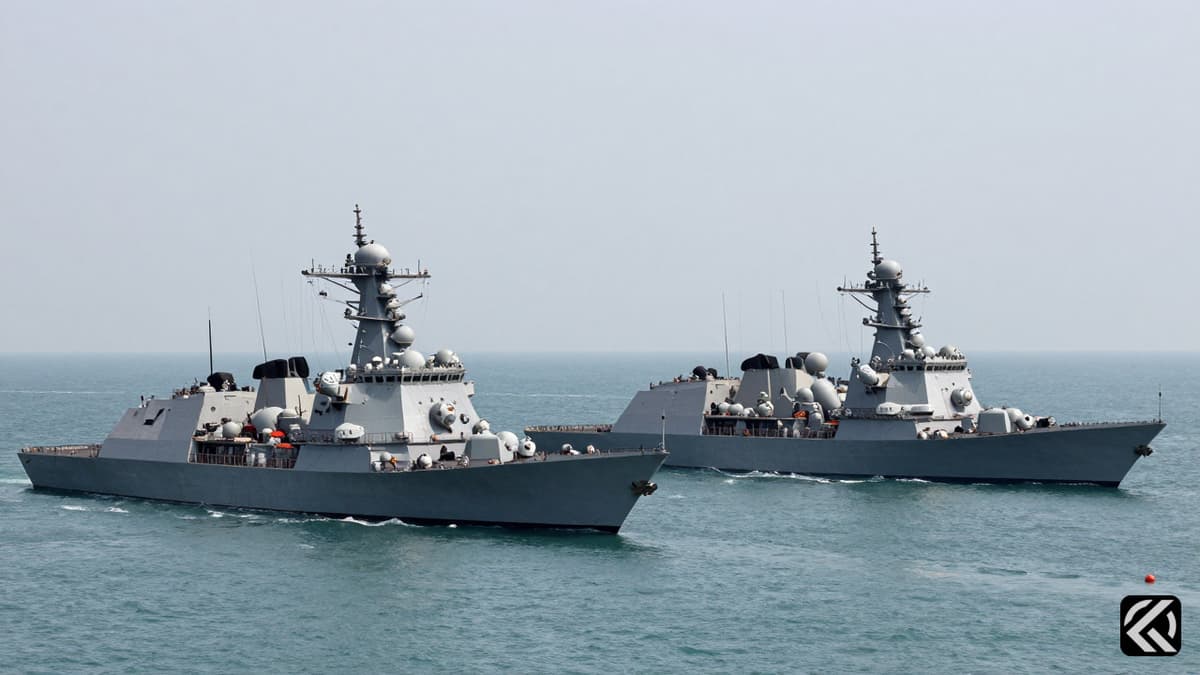
Diplomatic efforts falter as Washington dismisses Tehran's latest offer, intensifying fears of renewed conflict and maritime disruption in the Persian Gulf.
The diplomatic standoff between the United States and Iran has entered a critical phase as President Donald Trump officially rejects Tehran’s latest proposal to reopen the Strait of Hormuz. This rejection comes nearly a month after the initial agreement to a ceasefire, highlighting the deepening impasse in Iran-US negotiations. The US leader has stated that he requires concrete guarantees on curbing Iran’s nuclear program before any relief on the naval blockade will be considered, signaling a hardening stance in the ongoing conflict.
Since the ceasefire was first announced on April 7, following Trump’s warning that “a whole civilization will die” if Iran did not comply, the situation has fluctuated between fragile truces and renewed hostilities. Initial face-to-face talks in Islamabad on April 11 lasted 21 hours but ended without an agreement, largely due to Iran’s refusal to abandon its nuclear program. Vice President JD Vance confirmed the lack of progress on April 12, while Iranian negotiator Mohammad Bagher Ghalibaf accused the US of failing to build trust. Despite these diplomatic failures, Trump noted that the ceasefire was “holding well” at that time.
The situation escalated rapidly in mid-April when the US implemented a blockade of Iranian ports. Trump warned that the blockade would continue until a final deal was reached, while Iran retaliated by closing the Strait of Hormuz, blaming the US for “breaches of trust.” The Strait, a critical global oil shipping route, has become a focal point of the conflict, with Iran threatening to keep it closed if the blockade persists. By April 18, Iran had once again shut down the strait, prompting Trump to express frustration, stating that Iran “got a little cute” with its diplomatic maneuvers.
Efforts to resume dialogue have been fraught with contradictions and last-minute changes. In late April, Iranian Foreign Minister Abbas Araghchi traveled to Islamabad, where he met with Pakistani Prime Minister Shehbaz Sharif and reportedly delivered a list of Iran’s “red lines.” However, despite reports that a US delegation was expected to meet with Araghchi, Trump canceled the trip on April 25, citing “infighting” within Iran’s leadership. Days later, Trump rejected a new Iranian proposal to lift the blockade and reopen the Strait, insisting that nuclear concerns must be addressed first. He revealed that negotiations were continuing only through phone calls, rather than in person.
As May approached, the rhetoric from both sides grew increasingly severe. On May 1, Trump admitted he was “not satisfied” with the latest Iranian proposal sent to Pakistani mediators, suggesting his options were either to strike or negotiate. Iranian officials echoed this tension, with a senior military official stating that renewed conflict was “possible.” By May 2, Tehran submitted a 14-point response to a US proposal, but Trump remained skeptical, saying he “can’t imagine that it would be acceptable.” Meanwhile, Axios reported that Trump was being briefed on potential military action, which could include a “short and powerful” wave of strikes. In response, Tehran warned it would retaliate with “long and painful strikes” if bombed.
The closure of the Strait of Hormuz continues to serve as the primary leverage in these high-stakes negotiations. Iran’s repeated shutdowns of this vital waterway are direct responses to the US naval blockade, creating a cyclical pattern of escalation that threatens global energy markets and regional stability. Trump’s conditional extension of the Trump ceasefire-tied to Iran’s submission of new proposals-demonstrates his willingness to use temporary pauses in hostilities as tactical tools rather than genuine attempts at immediate peace. The lack of trust, evidenced by conflicting reports on the status of meetings in Islamabad and Iran’s denial of planned negotiations, suggests that any future breakthrough requires significant concessions from both sides. With Trump maintaining that he has “all the time in the world” but also warning of devastating military options, the region remains on the brink of a wider conflict. The immediate future depends on whether Washington’s demand for nuclear guarantees can be reconciled with Tehran’s insistence on lifting the blockade, a divergence that has so far proved insurmountable.
May 5, 2026 17:11 UTC
Zelensky Pushes for Peace as Victory Day Looms Amid Attacks
May 5, 2026 09:09 UTC
Global Outrage Follows Iranian Attack on UAE
May 4, 2026 17:13 UTC
UAE Intercepts Iranian Missiles Amid Escalating Strait of Hormuz Tensions
May 4, 2026 15:20 UTC
US Launches Project Freedom to Guide Ships Through Strait of Hormuz
May 6, 2026 13:59 UTC
Tamil Nadu Polls: TVK Stakes Govt Claim Amid Seat Count Hurdle


