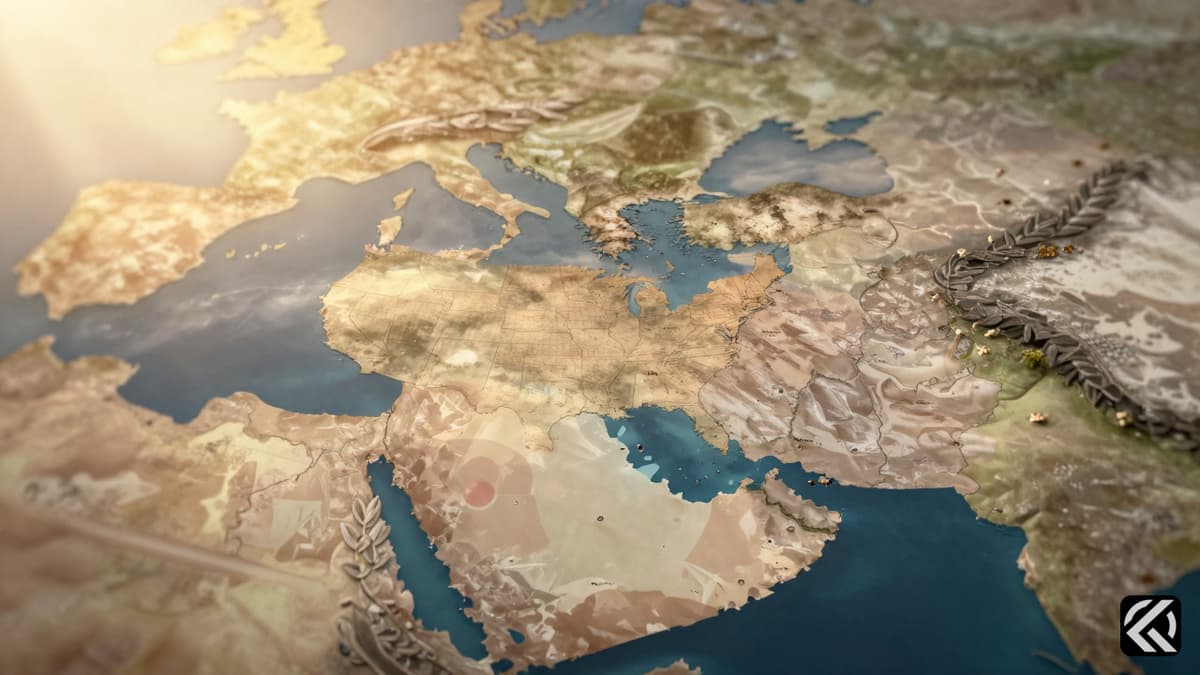
In a dramatic shift, President Trump halts devastating strikes against Iran following a last-minute ceasefire agreement brokered by Pakistani leadership.
In a dramatic turn of events late on Tuesday, April 7, 2026, the threat of devastating military strikes against Iran was pulled back by U.S. President Donald Trump. This de-escalation occurred less than two hours before the deadline set for Tehran to capitulate or face major escalation. The decision to halt the offensive was based on urgent conversations with Pakistan's Prime Minister Shehbaz Sharif and General Asim Munir, marking a pivotal moment in the unfolding regional crisis.
The situation had escalated rapidly in the days leading up to this pause. On Saturday, April 4, President Trump had issued a stark warning, telling Tehran they had 48 hours to cut a deal or face "all Hell." As U.S. and Iranian forces scrambled to locate a downed American airman, the rhetoric intensified. By Tuesday, April 7, President Trump had escalated his language further, warning that "a whole civilisation will die" if Iran does not accept his deal and reopen the Strait of Hormuz before his 8 p.m. deadline. These apocalyptic threats had led to the characterization of the President as "crazy" by critics ahead of the final ultimatum.
However, the trajectory of the conflict shifted dramatically following the interventions of Pakistani leadership. On Wednesday, April 8, 2026, Pakistan's Prime Minister Shehbaz Sharif announced that the United States, Iran, and their respective allies had agreed to a ceasefire "everywhere." This announcement effectively nullified the impending attack that had been threatened just hours prior. The agreement represents a significant diplomatic victory, with reports suggesting that Donald Trump had come to his decision to de-escalate based directly on these high-level discussions with General Asim Munir and Prime Minister Sharif.
While the immediate threat of military action has subsided, the path to a permanent resolution remains complex. On the same Wednesday, Tehran released a 10-point plan outlining their terms for securing an end to the war with the United States. Central to this proposal are demands that Washington must accept Iran's uranium enrichment program and the complete lifting of all sanctions. These conditions highlight the deep-seated issues at the heart of the conflict, suggesting that while the immediate violence may have been averted through the , the underlying tensions regarding nuclear capabilities and economic restrictions persist.
The speed of the de-escalation underscores the fragility of the situation. With forces already on high alert and a dead American airman yet to be found, the window for disaster was closing. The intervention by Pakistani leaders provided the necessary diplomatic channel to prevent the catastrophic outcome that President Trump had warned would occur. The fact that the U.S. and Iran had moved from a brink-of-war scenario to a confirmed "ceasefire everywhere" in a matter of hours demonstrates the critical role of regional allies in crisis management.
Furthermore, the timing of these developments is significant. The decision to pull back was made on Tuesday evening, immediately following the President's harsh warnings that a "whole civilisation will die." The subsequent confirmation of the ceasefire on Wednesday indicates that the diplomatic pressure exerted by Pakistani leadership was sufficient to alter the President's calculus. This shift from a threat of total war to a negotiated pause offers a glimmer of hope, even as the demands for a permanent settlement remain high.
The immediate aftermath of the ceasefire announcement has revealed the difficult road ahead for long-term stability. As Tehran outlines its 10-point plan, the focus shifts from survival to the conditions of peace. The insistence on retaining the uranium enrichment program and the removal of sanctions suggests that Iran views these issues as non-negotiable prerequisites for any lasting agreement. If the United States finds it difficult to accommodate these demands, the risk of a return to hostilities remains. However, the success of the Pakistan ceasefire agreement so far indicates a willingness from all sides to seek a resolution rather than a total war. The next steps will depend on whether Washington can reconcile its security demands with the specific conditions laid out by Tehran. The situation remains volatile, but the door to diplomacy has been reopened, at least for the moment, thanks to the timely intervention that halted the scheduled strikes.
Jun 8, 2026 04:15 UTC
Trump Urges Netanyahu to Halt Iran Strike for Peace
Join 50,000+ readers getting the global briefing every morning.
No spam. Unsubscribe anytime.
Jun 8, 2026 02:28 UTC
Trump Walks Out of Meet the Press After Rejecting Evidence Demands
Jun 8, 2026 02:17 UTC
Magnitude 7.8 Quake Shakes Philippines, Urging Immediate Evacuations
Jun 8, 2026 00:51 UTC
Trump Claims Iran Nuclear Deal Imminent Despite Diplomatic Fractures
Jun 8, 2026 00:47 UTC
Iran Fires Missiles at Israel After Beirut Strike


