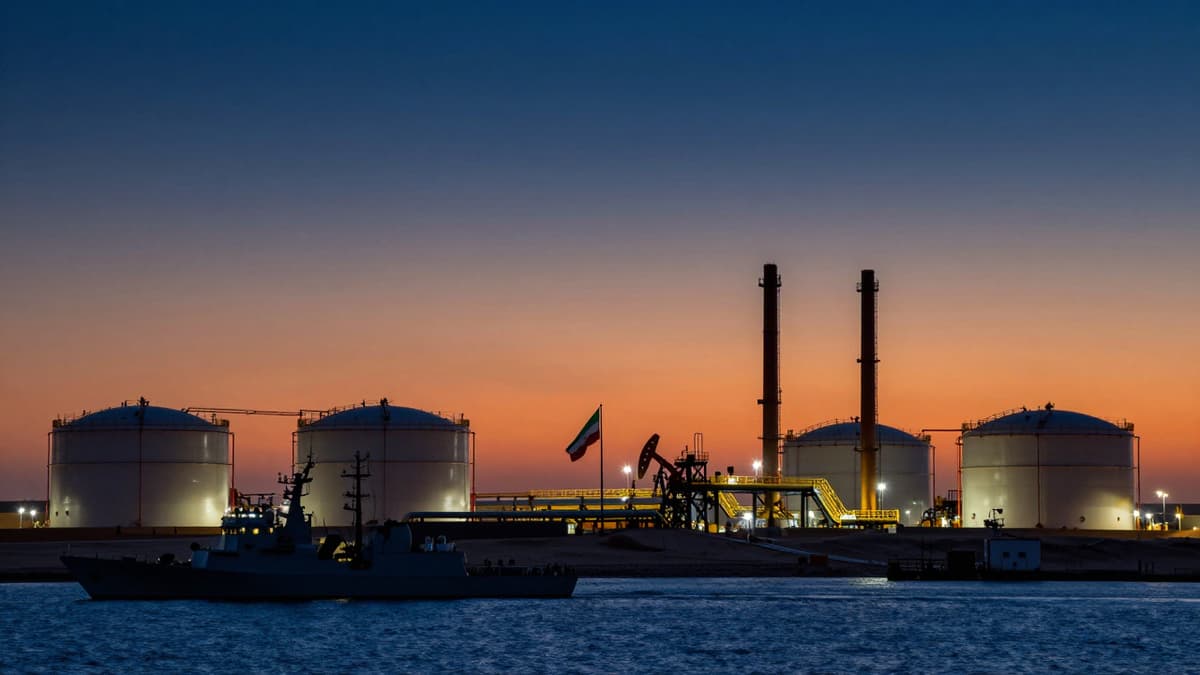
In a significant shift following Tehran's request, President Trump delays attacks on Iranian energy plants until April, signaling renewed diplomatic efforts and ongoing negotiations.
US President Donald Trump has pushed back his deadline for possible strikes on Iran's energy infrastructure for 10 more days, stating the pause was initiated at Tehran's request. The move indicates that negotiations are moving in a positive direction, despite previous threats regarding attacks on power facilities.
In a statement posted on Truth Social, the President announced the delay of any action until April 6 at 8 pm Eastern Time. This decision marks a significant shift from the original 48-hour ultimatum demanding Iran reopen the Iran Strait of Hormuz or face attacks. The White House has now extended the deadline multiple times as diplomatic channels remain open between the two nations.
Trump explicitly noted that the pause is intended to facilitate ongoing discussions. "As per Iranian Government request, please let this statement serve to represent that I am pausing the period of Energy Plant destruction by 10 Days to Monday, April 6, 2026, at 8pm, Eastern Time," Trump wrote. He further emphasized that talks are ongoing and described them as going "very well," rejecting claims made by the media that negotiations were failing.
The current situation involves intense diplomatic maneuvering. US envoy Steve Witkoff stated there were "strong signs" that Tehran could be open to negotiations. Washington reportedly sent a 15-point proposal to Iran through intermediaries in Pakistan, a move described by Witkoff as a potential turning point in the conflict. Iran has reportedly responded via backchannels and is currently awaiting a US reply to their counter-proposal.
According to Iran's Tasnim News Agency, Tehran's response goes beyond the initial US proposal. The Iranian demands include a full end to US and Israeli strikes, reparations for damages, and formal recognition of Iran's authority over the Strait of Hormuz. This expanded list of demands suggests that while the Trump Iran ultimatum has been paused, the core demands for resolution remain substantial.
Speaking at the White House, President Trump alternated between threats and optimism. He suggested that Iran is seeking a deal but only after facing heavy military pressure. Additionally, Trump hinted at the possibility of the US taking control of Iran's oil resources, drawing comparisons to past actions taken in Venezuela. These comments highlight the dual approach of military leverage and diplomatic negotiation currently being employed.
The conflict has also drawn criticism from regional partners. Israeli opposition leader Yair Lapid warned that the ongoing war is stretching Israel's military capacity. He criticized the government for pushing the country into a multi-front war without sufficient planning or resources. Effie Defrin, an Israeli military spokesperson, echoed these concerns by highlighting the need for more troops, particularly along the Lebanese front, as operations expand.
While the US seeks to secure the flow of oil through the strategic waterway, the diplomatic landscape remains volatile. The extension of the deadline provides a window for dialogue, but the differing demands from both sides suggest that a resolution is not yet guaranteed. The international community watches closely as the pressure builds for a breakthrough or a return to hostilities.
The extension of the strike deadline marks a critical juncture in the escalating US-Iran tensions. With the current pause set to last until April 6, the outcome of the negotiations will likely dictate the future stability of the region. If Tehran's demands for reparations and recognition of the Iran Strait of Hormuz are not met, the risk of renewed military action remains high. Conversely, a successful negotiation could de-escalate the situation, potentially averting further damage to energy infrastructure. The coming days will be pivotal in determining whether diplomatic channels can overcome the deep mistrust and conflicting strategic interests driving the current standoff.
Jun 8, 2026 00:51 UTC
Trump Claims Iran Nuclear Deal Imminent Despite Diplomatic Fractures
Jun 8, 2026 00:47 UTC
Iran Fires Missiles at Israel After Beirut Strike
Jun 7, 2026 22:00 UTC
US, Iran Peace Hops Fade 100 Days Into War
Jun 7, 2026 20:57 UTC
Iran Strikes Israel: IRGC Promises Week of Continuous Offensive
Jun 8, 2026 02:28 UTC
Trump Walks Out of Meet the Press After Rejecting Evidence Demands


