Following a stern warning from the Supreme Court, the National Council of Educational Research and Training has issued an apology and withdrawn a controversial social science textbook.
In a significant development for the educational landscape in New Delhi, the National Council of Educational Research and Training (NCERT) has been compelled to issue a formal public apology regarding content within its published social science textbooks. This action follows a direct reprimand from the Supreme Court concerning a specific chapter that addressed sensitive topics related to the judiciary. The incident highlights the intersection between educational curriculum and judicial integrity, sparking a series of administrative actions aimed at rectifying the publication immediately.
The controversy centers around a Grade 8 text book titled "Exploring Society: India and Beyond" (Part II). Specifically, Chapter IV, which focuses on "The Role of Judiciary in our Society," became the focal point of legal scrutiny. The Supreme Court bench characterized the content within this chapter as indicative of a "deep-rooted and well-planned conspiracy." Consequently, the NCERT Director and members were ordered to explain why disciplinary action should not be initiated against them for publishing material that touched upon judicial corruption and backlogs in such a manner.
The judicial intervention was led by a specific bench comprising Chief Justice Surya Kant, Justice Joymalya Bagchi, and Vipul M Pancholi. Their ruling was unequivocal regarding the nature of the text found in circulation. By labeling the content as part of a conspiracy, the court signaled that the portrayal of corruption and backlogs within the judiciary was not merely an academic observation but a matter requiring serious legal attention.
The top court issued a show-cause notice to two key administrative figures: the NCERT Director and the School Education Secretary. The purpose of this notice was to demand an explanation regarding why no action should be taken against these officials for the controversial textbook content. This legal step underscores the gravity with which the judiciary views educational materials that discuss its own functioning, particularly when allegations of systemic issues are raised in a public forum intended for students.
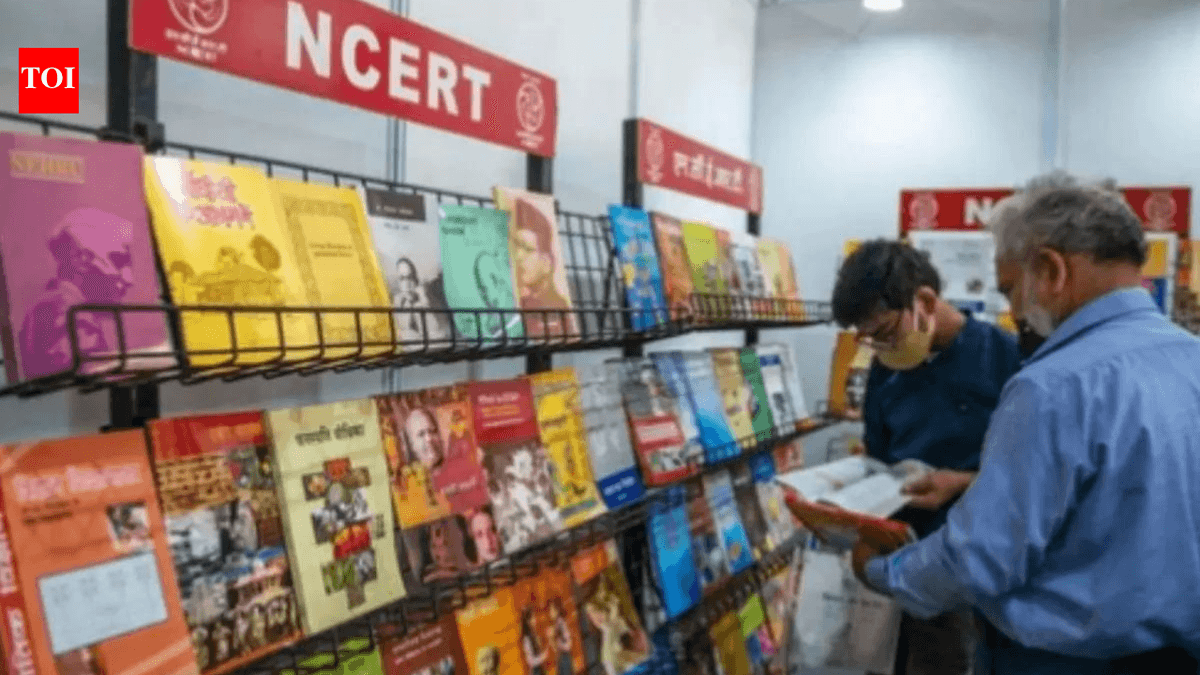
In response to the judicial orders, the NCERT moved quickly to mitigate the situation. The council issued a statement on Tuesday acknowledging the publication of the social science text book "Exploring Society: India and Beyond" Grade 8 (Part II). In this statement, the Director and Members of the NCERT tendered an unconditional and unqualified apology for Chapter IV.

Beyond the verbal apology, the administrative response involved the complete removal of the material from availability. The council confirmed that the entire book has been withdrawn and is no longer available to the public or students. This decisive action was taken to ensure that the controversial content does not continue to influence the educational environment following the court's directive regarding judicial corruption claims.
The Supreme Court did not limit its orders to just the withdrawal of the book; it placed specific responsibilities on various stakeholders to enforce compliance. The bench ordered the seizure of all physical and digital copies of the NCERT textbook currently in circulation. This directive covers copies held in storage, retail outlets, or within educational institutions.
To ensure strict adherence to this order, the court designated the NCERT Director as personally responsible for coordinating with Union and state education departments. Furthermore, a specific burden was placed on the principals of every school where the book had already reached. These principals were tasked with the immediate seizure and sealing of all copies found within their premises. They are also required to submit a compliance report confirming that these actions have been taken.
The directive extended beyond just the NCERT leadership, requiring broader cooperation from state-level administration. The bench mandated that principal secretaries of all states must comply with the seizure orders. Additionally, a strict prohibition was placed on the use of the material for instructional purposes. The court ordered that no instruction be imparted based on the subject book until further notice.
This comprehensive approach ensures that the educational process is not disrupted by the controversial content while allowing for the complete removal of the physical and digital assets from public access. The emphasis on personal responsibility highlights the seriousness with which the judiciary views the dissemination of information regarding its own integrity within school curricula.
The controversy surrounding the NCERT textbook has resulted in a significant administrative overhaul initiated by the Supreme Court. By demanding an apology, withdrawing the publication, and enforcing strict seizure protocols, the court has established a clear precedent regarding the discussion of judicial integrity in educational materials. The involvement of Chief Justice Surya Kant and the specific bench members ensures that this matter is treated with the utmost seriousness, prioritizing the protection of the judiciary's reputation within the national education framework.
Jun 9, 2026 02:39 UTC
US Warplane Strikes Tanker MT Marivex; Crew Evacuated in Gulf of Oman
Join 50,000+ readers getting the global briefing every morning.
No spam. Unsubscribe anytime.
Jun 9, 2026 00:00 UTC
INDIA Bloc Leaders Gather in Delhi to Forge Strategic Unity
Jun 8, 2026 22:55 UTC
Netanyahu Vows Forceful Response to Future Iran Attacks
Jun 8, 2026 20:56 UTC
Netanyahu Halts Iran Fighting, Vows Future Force
Jun 8, 2026 20:54 UTC
Justice Department Moves to Strip Citizenship from 17 Individuals