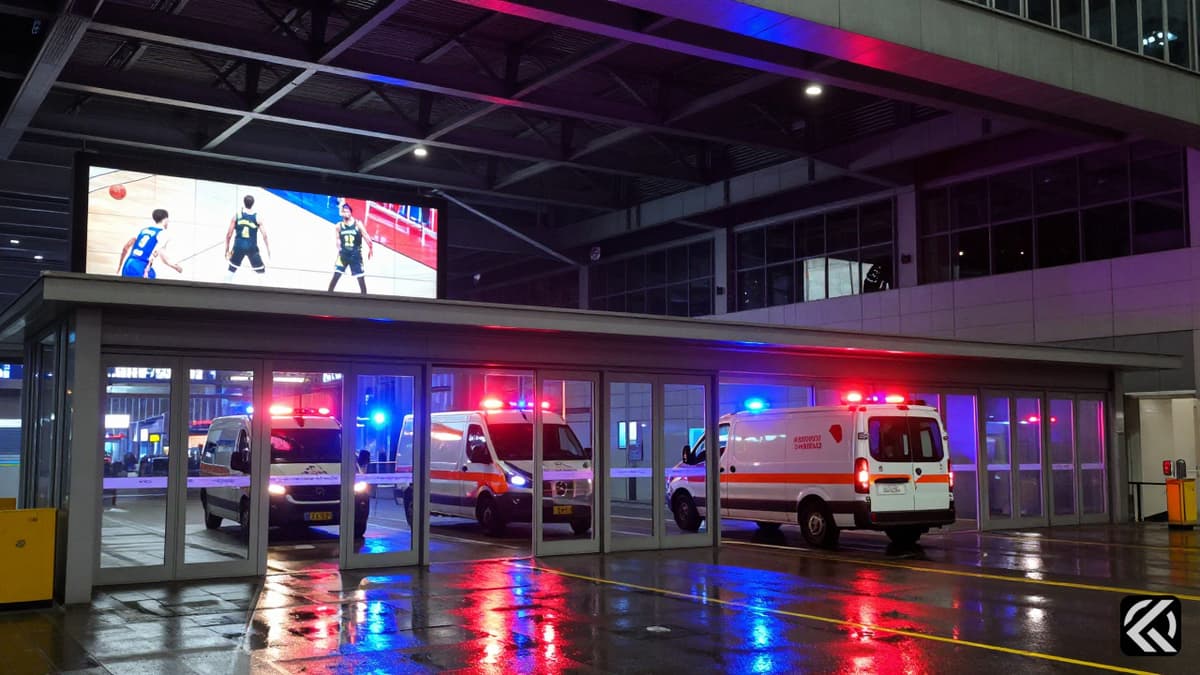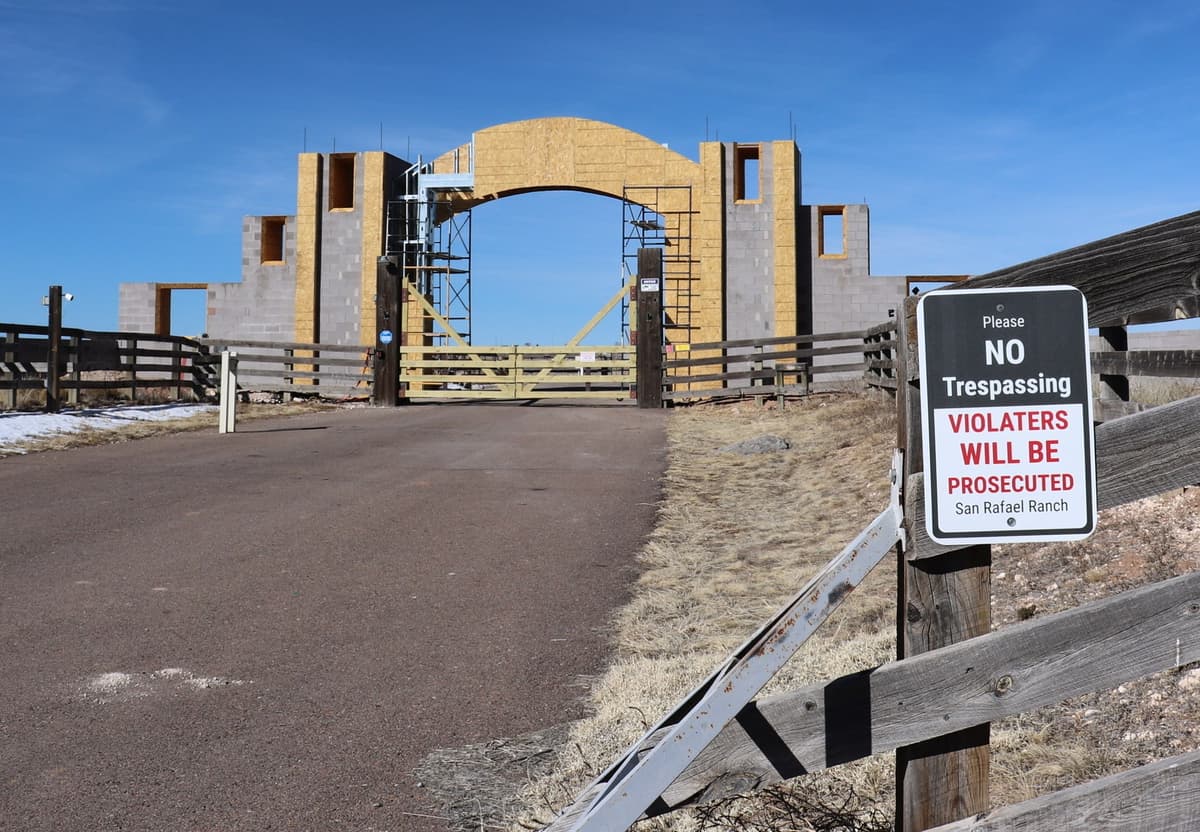
Law enforcement has initiated a fresh search of Jeffrey Epstein's former property as state authorities demand accountability for past investigations.
The landscape of legal accountability surrounding the late financier Jeffrey Epstein is shifting once again, marked by a significant new development in New Mexico. Law enforcement personnel from across the nation have initiated a comprehensive examination of the estate previously owned by the disgraced individual. This search operation targets the location known as Zorro Ranch, which sits in a remote area south of Santa Fe. The decision to scour the property comes directly after a massive release of investigative documents created substantial public and official pressure. Authorities feel compelled to reevaluate how women and girls were treated at this specific site, following years of silence regarding criminal activity there.
The drive to reopen this case is not merely federal but also deeply rooted in state-level political action. New Mexico Attorney General Raul Torrez took decisive administrative steps last month, ordering authorities to conduct a renewed look at the allegations connected to the estate. This order marks a distinct shift from previous actions, as the southwestern state had previously closed its own prior investigation back in 2019. That earlier closure occurred specifically at the request of federal prosecutors, suggesting a complex jurisdictional history between state and national law enforcement bodies.
Simultaneously, the legislative branch is engaging directly with the matter through a bipartisan initiative. State lawmakers are currently reexamining Epstein’s activities within New Mexico via a newly formed truth commission. This body is distinct from standard investigative committees because it has been equipped with subpoena powers. The inclusion of such legal authority indicates a serious intent to compel testimony and gather evidence that may have previously been withheld or inaccessible to state officials.
To understand the scope of the current operation, one must look at the history of the land itself. Epstein maintained ownership of this property for over two decades, holding the title from 1993 until his death in 2019. The location is situated approximately 50 kilometers, or roughly 30 miles, south of Santa Fe. This geographic isolation likely contributed to the nature of activities that occurred there, away from immediate public scrutiny.
The timeline of ownership is crucial to the current narrative. Epstein held the land through the period leading up to his death, which occurred following his indictment on sex trafficking charges. Despite the gravity of these charges and the allegations surrounding the site, the financier was never charged with any specific crimes connected to the ranch while he was alive. This lack of prior state-level prosecution is now a focal point for the renewed investigation led by Attorney General Torrez.

The impetus for this search includes claims made by Epstein accusers, most notably the late Virginia Giuffre. These individuals have stated that they suffered abuse at the property during their time there. While these accusations were significant during his lifetime, no charges regarding the site were filed against him before his passing. Now, the focus turns to physical evidence on the ground that could corroborate or refute these historical claims.
The United States Department of Justice recently released files in January that contain numerous tips related to the sex offender and his associates. However, the quality of this digital evidence varies significantly. The documents contain numerous unsubstantiated tips, some described as implausible by investigators. Among these leads is a specific email from a purported former employee of Zorro Ranch. This communication suggested an offer to provide videos depicting Epstein abusing minors in exchange for payment of one Bitcoin. Additionally, the anonymous sender made a startling claim regarding the burial of two foreign girls in the hills outside the ranch on orders from Epstein and his former girlfriend, Ghislaine Maxwell.
As law enforcement personnel conduct this search, there is a clear emphasis on maintaining security and order at the scene. The New Mexico Department of Justice issued a statement advising the public to stay away from the area entirely. Furthermore, specific restrictions have been placed on aerial surveillance equipment. Residents and observers are urged to ground any drone activity nearby to avoid interfering with the ongoing law enforcement operation.
The department has committed to keeping the public appropriately informed as the investigation progresses. Their stated goal is to support survivors while following the facts wherever they lead. This approach highlights a balance between transparency and operational security, ensuring that the integrity of the evidence collection process is not compromised by outside interference or unauthorized observation.
The investigation into Zorro Ranch represents a critical moment in reevaluating past allegations of abuse associated with Jeffrey Epstein. With state lawmakers utilizing subpoena powers and federal files revealing new, albeit mixed, tips, the legal landscape is shifting. The focus remains on uncovering the truth regarding the treatment of victims at this remote property, ensuring that survivors receive support and that any physical evidence is properly cataloged by law enforcement.
Jun 9, 2026 02:39 UTC
US Warplane Strikes Tanker MT Marivex; Crew Evacuated in Gulf of Oman
Join 50,000+ readers getting the global briefing every morning.
No spam. Unsubscribe anytime.
Jun 9, 2026 00:00 UTC
INDIA Bloc Leaders Gather in Delhi to Forge Strategic Unity
Jun 8, 2026 22:55 UTC
Netanyahu Vows Forceful Response to Future Iran Attacks
Jun 8, 2026 20:56 UTC
Netanyahu Halts Iran Fighting, Vows Future Force
Jun 8, 2026 20:54 UTC
Justice Department Moves to Strip Citizenship from 17 Individuals