Aam Aadmi Party MP Raghav Chadha sparked intrigue with a cryptic social media post, signaling a deepening rift with leadership following his ousting from the Rajya Sabha deputy leader role.
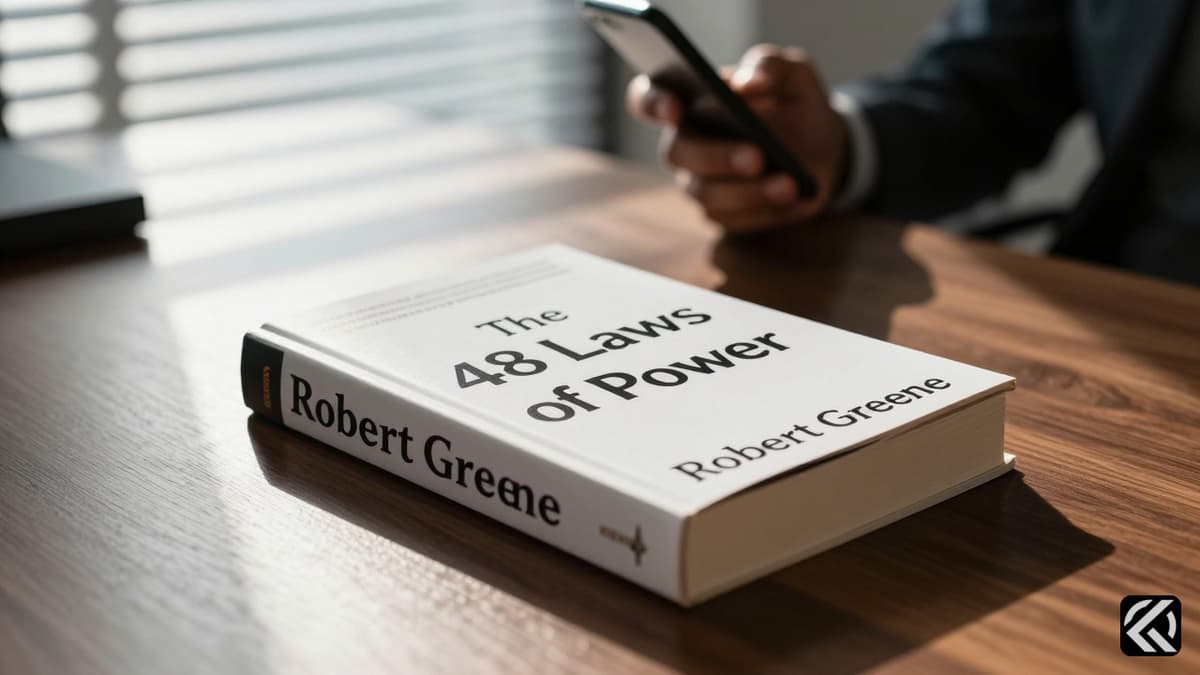
Raghav Chadha, the Aam Aadmi Party (AAP) MP and youngest member of the Rajya Sabha, sparked widespread speculation on Monday with a cryptic Instagram post. The timing of the post coincides with an escalating internal rift, coming just a week after the party leadership stripped him of his position as deputy leader. In the post, Raghav Chadha shared an image of himself reading a specific book, captioning the moment with a seemingly ominous quote that has sent shockwaves through the political landscape.
The post featured images of the book cover and its first chapter, titled "Never outshine the master," authored by US writer Robert Greene. Chadha wrote, "Somebody gifted me a book this week. Funny how timing works. The timing is hard to ignore. I turned to chapter 1 - 'Never outshine the master'. Some books arrive exactly when they are meant to." This direct reference to Robert Greene's famous work serves as a pointed allusion to the power dynamics currently playing out within the Aam Aadmi Party. The caption suggests a narrative where the individual referenced has perhaps overstepped or been silenced by a higher authority, mirroring the recent actions of the party leadership against him.
Last week, the AAP made the significant decision to remove Chadha, one of its most recognizable and visible faces, as its deputy leader in the Rajya Sabha. Alongside this demotion, the party leadership issued instructions to the Rajya Sabha secretariat not to grant Chadha time to speak on behalf of the party. This move effectively silenced the 37-year-old politician within the House, where he had previously been a vocal representative. Chadha, who is married to actor Parineeti Chopra, has since responded by sharing videos that appear to target the AAP, further intensifying the public nature of the conflict.
The internal friction is rooted in serious accusations leveled by senior party figures against Chadha. Leaders within the party have accused him of engaging in "soft PR" and "shying away" from necessary confrontations, specifically regarding Prime Minister Narendra Modi. There is a claim that Chadha was "reluctant" to raise issues that align with the official stance of the party. Specific instances cited by his former colleagues include his refusal to sign a notice seeking the removal of Chief Election Commissioner Gyanesh Kumar. Furthermore, he was criticized for his failure to join opposition walkouts on key issues in the House, actions that party elders view as a deviation from the collective strategy.
Prominent figures within the Aam Aadmi Party have voiced their disapproval. Punjab Chief Minister Bhagwant Mann, Rajya Sabha leader Sanjay Singh, former Delhi Chief Minister Atishi, and Delhi unit chief Saurabh Bharadwaj were among those who explicitly accused Chadha of "deviating" from the party line. These public condemnations highlight a fracture that is no longer confined to internal meetings but has spilled into public discourse. The timing of the book post, which references the very concept of not challenging a superior's power, has only fueled the debate, with many interpreting it as a subtle but firm rebuttal to the leadership's actions.
Historical context adds weight to this development. Chadha's silence during the imprisonment of AAP supremo and then-Delhi CM Arvind Kejriwal in the Delhi liquor scam case had previously raised eyebrows within the party ranks. Although Chadha had repeatedly rubbished rumors of a fallout, the recent events suggest that the underlying tensions have finally reached a breaking point. His silence during the Supreme Court imprisonment of the party chief, followed by his removal, paints a picture of a leader feeling marginalized while his superiors face legal challenges.
This incident marks the second significant fallout between an AAP MP and the party leadership in recent years. It follows the earlier conflict involving Swati Maliwal, another Rajya Sabha MP. Maliwal's situation involved an alleged assault at Kejriwal's residence by Bibhav Kumar, a close aide to the party chief, in May 2024. The recurrence of such internal conflicts raises questions about the cohesion and stability of the party's parliamentary wing.
The removal of Raghav Chadha as deputy leader and the subsequent cryptic response involving the 48 Laws of Power signal a volatile period for the Aam Aadmi Party. If this rift is not resolved through private reconciliation or public clarification, the party risks further fragmentation of its parliamentary voice. The pattern of silence followed by public confrontation suggests that future legislative strategies may be undermined by internal disagreements. Should the current trajectory continue, with Chadha potentially continuing his public critiques and leadership maintaining their stance on his alleged deviations, the party may face a diminished ability to present a unified front in the Rajya Sabha. The political landscape could see an acceleration of these fractures, potentially influencing the party's electoral momentum and legislative efficacy in the coming sessions.
Jun 8, 2026 02:17 UTC
Magnitude 7.8 Quake Shakes Philippines, Urging Immediate Evacuations
Join 50,000+ readers getting the global briefing every morning.
No spam. Unsubscribe anytime.
Jun 8, 2026 02:17 UTC
Magnitude 7.8 Quake Shakes Philippines, Urging Immediate Evacuations
Jun 8, 2026 00:51 UTC
Trump Claims Iran Nuclear Deal Imminent Despite Diplomatic Fractures
Jun 8, 2026 00:47 UTC
Iran Fires Missiles at Israel After Beirut Strike
Jun 7, 2026 22:38 UTC
Congress Party Claims Unity for INDIA Bloc Delhi Meeting