Prime Minister Narendra Modi is set to address the nation at 8:30 PM, marking a significant moment following a major legislative setback for his government.
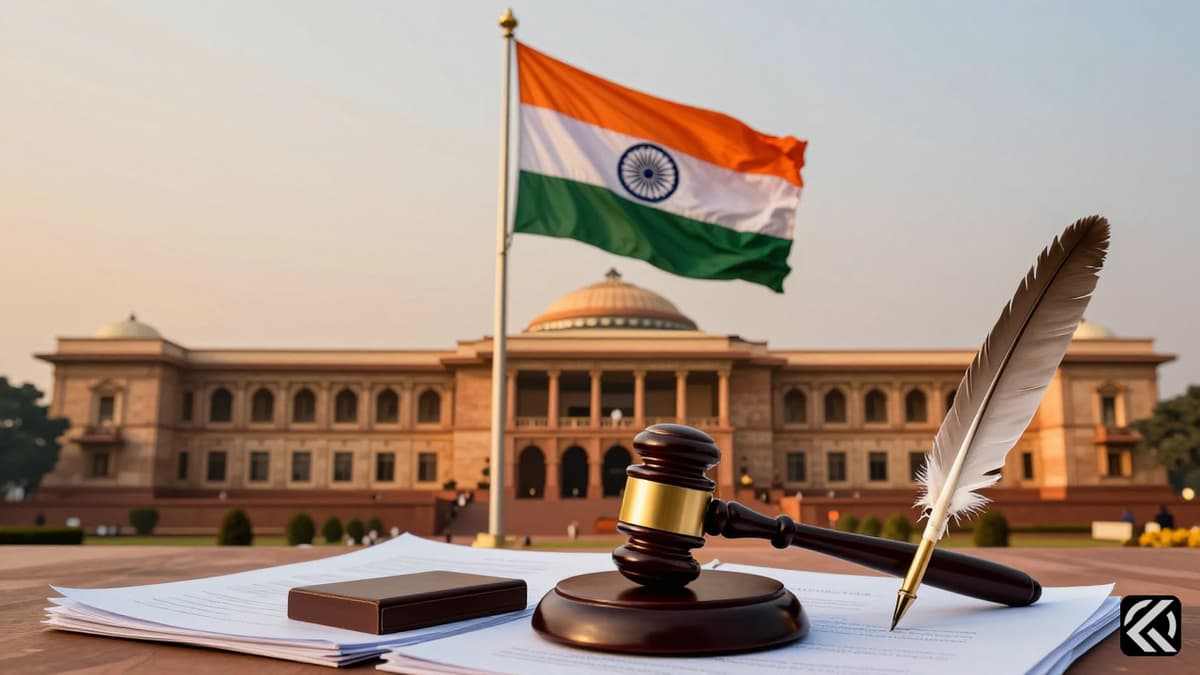
Prime Minister Narendra Modi is scheduled to address the nation at 8:30 PM on Saturday, marking a significant intervention following a major legislative setback for the government. The upcoming speech comes amidst growing scrutiny after the Women's Reservation Bill failed to pass in the Lok Sabha, dealing a blow to the BJP-led administration's key reform agenda. While the specific content of the address remains unconfirmed, the timing suggests a strategic move to clarify the government's position after a challenging day in parliament. The failure of the bill, which was tied to the implementation of women's reservation through delimitation, underscores a complex political landscape where even flagship measures face stiff opposition.
The legislative defeat was the result of a contentious voting session where the proposed legislation fell short of the required two-thirds majority. During the debate, which was described as lengthy and heated, the bill garnered support from 298 members of the Lok Sabha, but faced opposition from 230 members. This outcome resulted in the bill's defeat, marking a rare legislative loss for the government on a reform measure it had been aggressively pushing for. The absence of clarity on the Prime Minister's specific topic adds a layer of anticipation, as the nation waits to see how Narendra Modi will address the implications of this failed vote.
The context of this address is further highlighted by the previous national speech delivered by the Prime Minister on September 21, which focused on GST reforms. The current situation presents a stark contrast, shifting the narrative from economic policy to the structural challenges of social reform. The Women's Reservation Bill was inextricably linked to the broader goal of implementing women's reservation through delimitation, a process that required significant political consensus. The failure to secure the necessary majority indicates a fracture in the legislative front, forcing the administration to reassess its approach to passing critical social legislation.
The immediate aftermath of the defeat has seen the government facing a rare political loss on a key reform measure. The voting breakdown revealed a significant divide, with the 230 members opposing the bill creating a gap that the government could not bridge. This setback is particularly notable given the high profile of the legislation and the extensive debate that preceded the vote. The Prime Minister's decision to address the nation directly suggests an attempt to regain narrative control and outline the path forward following this significant hurdle.
The failure of the Women's Reservation Bill highlights the complexities of passing legislation that requires a supermajority. The necessity for a two-thirds majority makes such bills particularly vulnerable to shifts in political alignment and opposition strategies. The heated nature of the debate reflects the intense polarization surrounding the issue, with both sides presenting strong arguments that failed to yield a compromise. As the government contemplates its next steps, the Prime Minister's address is expected to provide clarity on whether the legislation will be reintroduced, modified, or if the government will pursue alternative strategies to achieve the same goals.
The historical context of the Prime Minister's previous address on GST reforms serves as a benchmark for the gravity of this upcoming speech. Just as the GST reforms were a cornerstone of economic policy, the Women's Reservation Bill represents a critical component of the government's social reform agenda. The failure of this bill could have far-reaching implications for the political landscape, potentially influencing future legislative strategies and the government's ability to push through other key initiatives. The nation will be watching closely as Narendra Modi speaks to determine the government's stance and the potential impact on the broader political environment.
The defeat of the Women's Reservation Bill in the Lok Sabha sets a precedent for how the government will handle future legislative challenges. The requirement for a two-thirds majority means that any future attempts to pass similar legislation will need to navigate even more complex political dynamics. The government may need to engage in more extensive negotiations with opposition parties or consider alternative methods to achieve the goals of women's reservation without relying solely on a single bill. The Prime Minister's address is likely to address these strategic considerations, offering insights into how the administration plans to overcome the current impasse.
The immediate future for the government will involve navigating the political fallout from this defeat. The loss of the bill could embolden opposition forces and potentially alter the balance of power in subsequent legislative sessions. However, the Prime Minister's direct communication with the public aims to demonstrate resolve and a commitment to the cause of women's reservation, even in the face of legislative setbacks. The coming days will reveal whether this approach can rally support or if the government will need to adopt a more pragmatic strategy to move forward.
The Prime Minister's address on Saturday night serves as a critical juncture in the government's response to the defeat of the Women's Reservation Bill. By addressing the nation directly, Narendra Modi aims to contextualize the legislative loss and outline the administration's continued commitment to the cause. The speech will likely detail the government's analysis of the defeat and propose a clear roadmap for the future. As the nation waits, the content of this address will be analyzed for its implications on the political landscape and the future of women's reservation policy in India. The outcome of this speech will determine whether the government can recover its legislative momentum or if the defeat will have lasting effects on its reform agenda.
Jun 8, 2026 04:15 UTC
Trump Urges Netanyahu to Halt Iran Strike for Peace
Join 50,000+ readers getting the global briefing every morning.
No spam. Unsubscribe anytime.
Jun 8, 2026 02:28 UTC
Trump Walks Out of Meet the Press After Rejecting Evidence Demands
Jun 8, 2026 02:17 UTC
Magnitude 7.8 Quake Shakes Philippines, Urging Immediate Evacuations
Jun 8, 2026 00:51 UTC
Trump Claims Iran Nuclear Deal Imminent Despite Diplomatic Fractures
Jun 8, 2026 00:47 UTC
Iran Fires Missiles at Israel After Beirut Strike